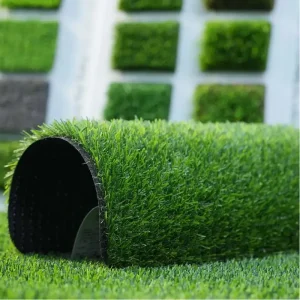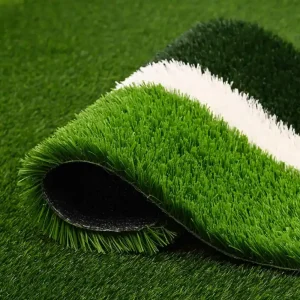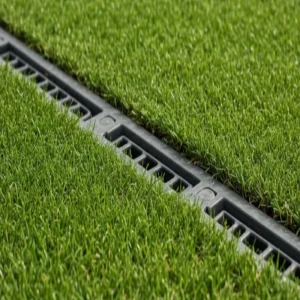
Sports turf maintenance for synthetic fields includes cleaning, brushing, checks, and infill care where needed. Base the plan on the turf system, actual use, and the maker’s care instructions. Assign staff to routine jobs and agree which work needs a specialist.
A calendar alone cannot tell you which job a field needs. A school may have an outdoor infilled pitch and an indoor training lane. Sending the same machine across both surfaces can be the wrong starting point, even when both look like grass.
The challenge is finding time, staff, and tools for each job. This guide helps field managers choose tasks, set aside work slots, compare service quotes, and plan costs. It explains what to include in a budget before asking for a price.
It covers synthetic sports surfaces, rather than mowing, fertilizing, or reseeding natural grass. If you’re still selecting a system, use our sports-field turf buyer’s guide to connect maintenance questions with the wider purchase decision.
Key takeaways
– Infilled, non-infill, and indoor turf can require different maintenance tasks and equipment.
– Record actual field use and protect maintenance windows in the booking calendar.
– Inspection does not automatically require treatment, repair, or infill replenishment.
– Include boots, equipment exits, and collection points in loose-infill control.
– Compare annual service scopes, including staff time, equipment, consumables, repairs, and applicable testing.
Match sports turf maintenance to the installed system
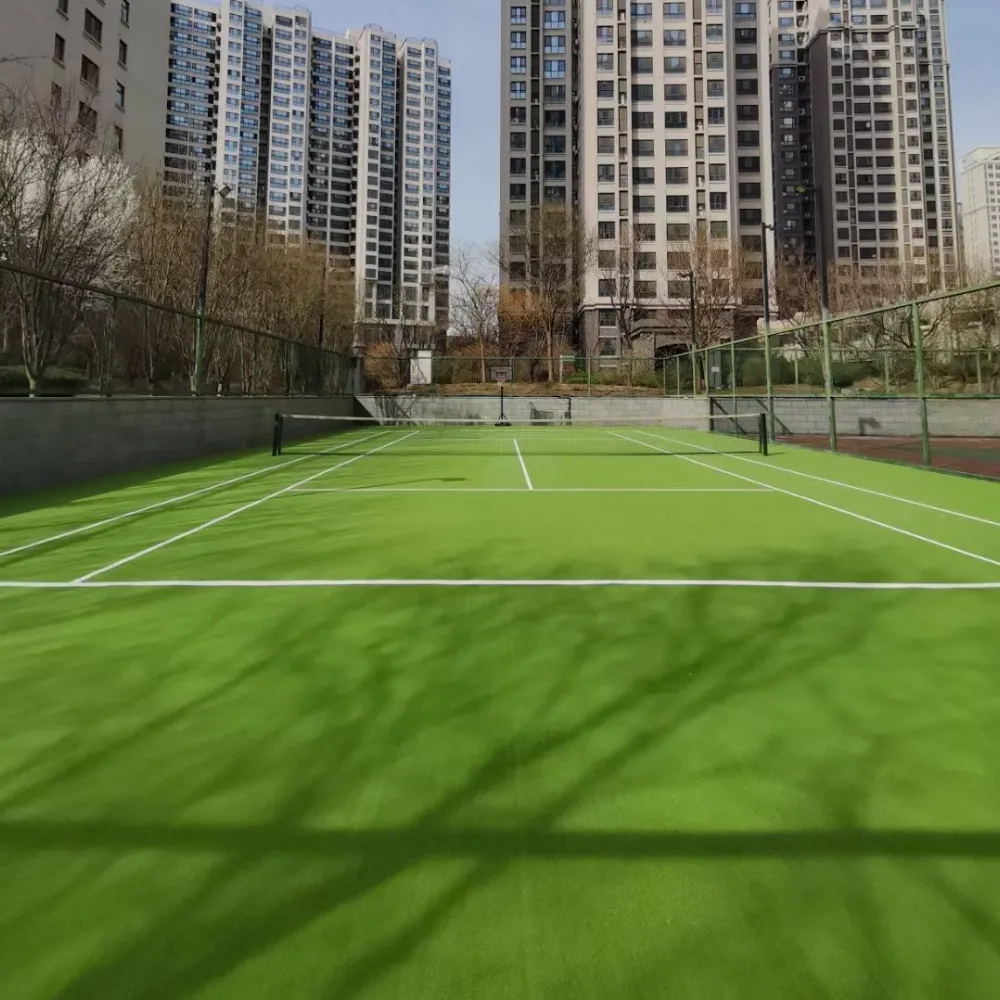
Start with the carpet and the construction beneath it. Identify loose infill, any shock pad, the base or indoor substrate, and the installation method. Then obtain the care instructions for that assembly.
Select the tasks that apply
Use this matrix to discuss your sports turf maintenance plan with the supplier or installer. Each treatment still needs the approved method for the installed system.
| Task | Outdoor infilled field | Outdoor non-infill field | Indoor training turf |
|---|---|---|---|
| Remove litter and inspect seams and edges | Include in the inspection plan | Include in the inspection plan | Include in the inspection plan |
| Brush or groom | Use the specified method | Confirm the permitted method | Confirm carpet and installation compatibility |
| Check loose-infill depth and distribution | Compare with the system specification | Not applicable where no loose infill is installed | Only if the installed system contains loose infill |
| Replenish or decompact infill | Only when specified and needed | Do not transfer these tasks to a system without loose infill | Depends on construction, access, and approved equipment |
| Check water management | Inspect surface conditions and accessible drainage points | Inspect surface conditions and accessible drainage points | Confirm permitted moisture, removal, and drying methods |
| Control escaping infill | Include exits and collection points | Not applicable to loose infill where none is present | Include if loose infill is installed |
For example, X-Nature describes MCDS30 non-infill football turf as a 30 mm infill-free product. That description helps identify which questions to ask; it doesn’t establish a brush setting or maintenance interval.
Keep the instructions with the task list
Keep the current manual with the field’s task list. If staff are unsure which brush or cleaning method to use, ask the supplier before work starts.
Sports turf maintenance must suit the whole field. A new carpet, different infill, or changed base may mean the care plan needs to change too. Ask the supplier to review the work list when the field build changes.
Build a synthetic turf maintenance schedule around use
Start from the manufacturer’s schedule, then record how the facility operates. Include playing hours, repeated drills, events, weather, and the availability of trained staff.
A busy booking calendar makes sports turf maintenance harder to fit in. Reserve work periods alongside practice and match bookings, rather than waiting for an empty field to appear.
Separate inspections from treatment
Organize the plan around three kinds of work:
- Routine checks: Decide what staff inspect before scheduled use, including debris, seams, edges, and concentrated-use areas.
- Event-led checks: Review the surface after intensive activity, unusual weather, temporary installations, or reported problems.
- Planned services: Schedule approved grooming, deeper cleaning, applicable infill work, and specialist inspections.
A check may show that no work is needed. It may also point to a routine job or a problem for the installer. Uneven infill is a reason to look closer. Check the cause and agreed method before adding more material.
Use published intervals as examples
World Rugby’s artificial-turf maintenance guidance illustrates a use-based approach. Its rough guide lists debris removal, brushing, seam checks, and equipment checks every 40 playing hours. It lists ball-rebound, ball-roll, and infill-depth checks every 160 playing hours.
The page states, “This is not intended to be suited to all fields.”
These rugby examples show how a plan can follow use. They do not set the work intervals for every football pitch, indoor lane, or non-infill field.
For sports turf maintenance, keep the playing-hour basis visible. A parenthetical weekly or monthly label cannot represent two venues with very different use.
Protect work windows when bookings change
Planning example, fictional: Alex manages a school pitch where weekly bookings rise from 20 to 35 hours after an evening club joins. Alex records the added use and asks the maintenance contractor to review the approved programme. They reserve an additional access window and move repeated drills between agreed zones. The outcome is a revised work calendar with named responsibilities, not an assumed improvement in field performance.
Include setup, collection, cleaning, equipment removal, and any required drying or release checks in each booking. Sports turf maintenance takes more than the time spent driving a brush over the carpet.
If work cannot be completed, record what remains and assign a new slot. A calendar entry shows an intention; the work record shows what happened.
Choose compatible equipment and cleaning methods
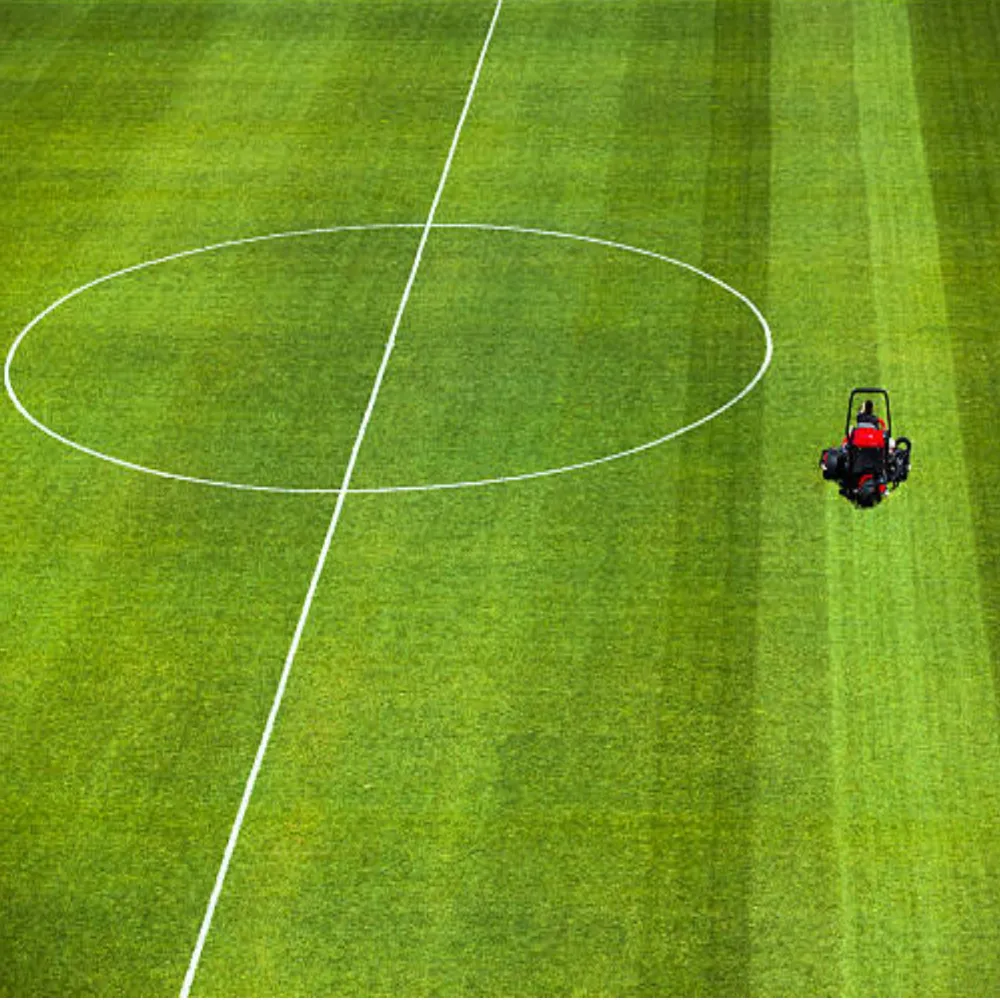
Synthetic turf maintenance equipment should match the task, construction, and access route. A machine suitable for a large outdoor infilled field may not suit an indoor surface bonded to a floor.
Ask about attachments and machine access
Before buying equipment or approving a contractor’s machine, ask:
| Equipment question | What to obtain |
|---|---|
| Which brush or attachment is permitted? | Approved type, settings, and operator instructions |
| Can a vehicle enter and turn on the surface? | Access, loading, turning, and route restrictions |
| Can collection equipment remove infill? | Suitable collection method and material-handling instructions |
| Is decompaction appropriate? | Applicable system, permitted equipment, and trained operator |
| What happens at seams and transitions? | Instructions for crossing or working near these details |
Keep these answers in the sports turf maintenance file. Don’t copy a machine speed, tine depth, or brush pressure from a different maker’s video.
Plan cleaning around materials and moisture
Remove loose debris before running a machine. For spills or waste, follow the turf’s care method and the cleaning product’s label. Check that the product suits the fibers, backing, seams, glue, and base.
Indoor artificial turf maintenance also needs a way to remove water and dry the area. An indoor floor may not drain like an outdoor pitch. Ask whether the vacuum, water-extraction unit, or wet-cleaning method suits the whole floor build.
Cleaning and disinfection serve different purposes. Looking clean doesn’t prove that a field is free of germs. Check whether any disinfectant is needed and allowed; don’t add weekly treatment just because another venue uses it.
When comparing synthetic sports turf options, ask for the relevant equipment and care requirements before choosing a maintenance package. That connects product selection with the work your team can support.
Keep infill contained and plan for weather
Loose-infill management covers material outside the playing area as well as its distribution within the carpet. Build exit cleaning and collection-point servicing into sports turf maintenance responsibilities.
Check boots, equipment, and collection points
The Football Foundation’s 3G pitch tips recommend brushing infill from boots and maintenance equipment before leaving the pitch. They also cover collecting surrounding granules and emptying granulate traps.
Assign someone to check these points and handle the collected material. Don’t sweep dirty granules straight back onto the field. Ask how to clean and check them before reuse, and how to dispose of any waste.
Keep the collection tools in working order too. Add blocked traps, broken boot brushes, or damaged barriers to the work list. Give each job an owner and a date.
Adjust for leaves, rain, heat, snow, and ice
The Football Foundation advises aiming for daily leaf removal during autumn on 3G pitches. This is a condition-specific example, not a requirement for daily deep cleaning throughout the year.
After rain, record persistent standing water and refer concerns about the supporting layers or outlets. Carpet drainage openings alone cannot identify the cause.
For heat, use the venue’s activity and heat-response procedures. Do not promise that brushing or occasional watering makes a hot field suitable for play.
For snow and ice, confirm permitted removal methods before bringing equipment onto the surface. The Football Foundation prefers natural melting and warns against metal shovels and salt in its 3G guidance. Apply the installed system’s instructions and the venue’s access decisions.
Budget sports turf maintenance and assign the work
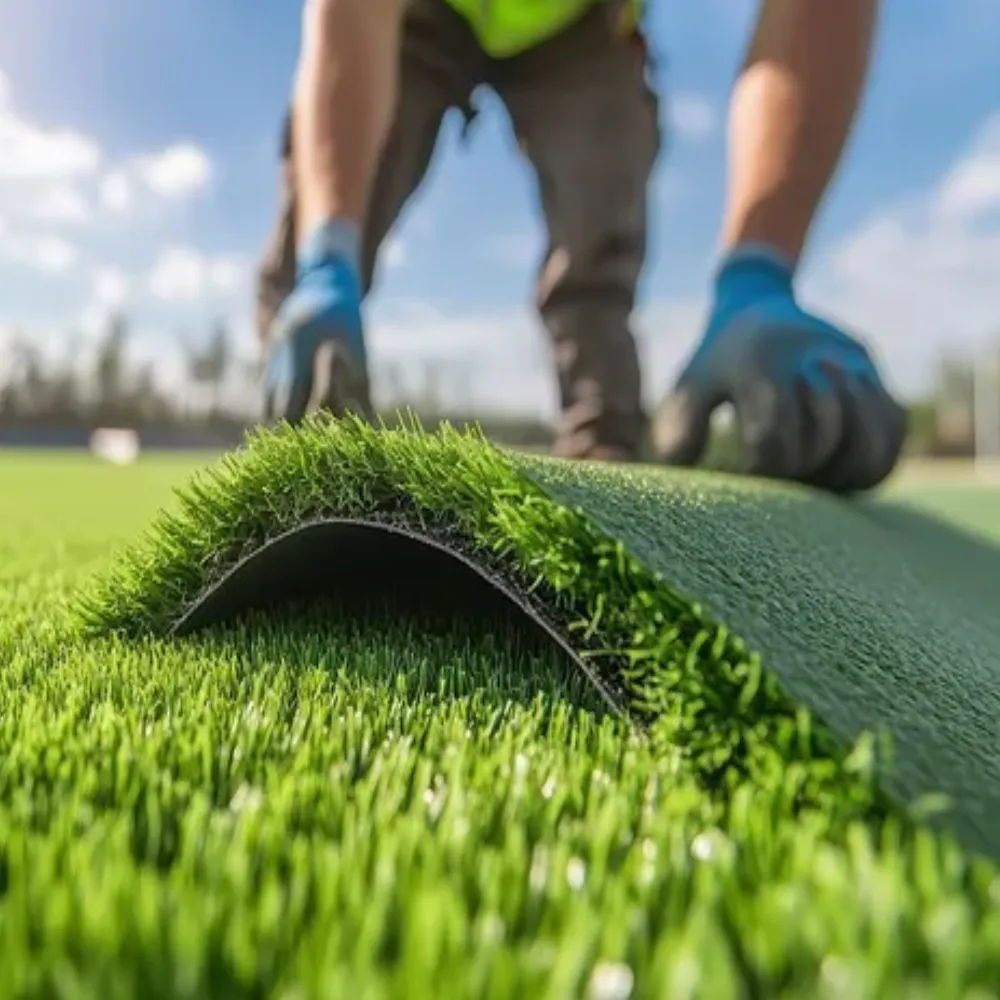
A useful sports turf maintenance budget begins with tasks and quantities. A headline annual fee tells you little unless you know the field area, visits, work included, and exclusions.
FIFA’s football-turf installation guidance includes maintenance, staffing, utilities, supplies, depreciation, and future renewal in operating planning. Its budgeting framework helps explain why a cleaning quote is only part of the cost picture.
Decide what staff and specialists will do
Trained site staff may handle checks, debris removal, agreed brushing, and records. A specialist may handle deeper cleaning, repairs, and closer checks. Where the infill system needs it, that work may include decompaction to loosen packed material.
Match each job to the skills, tools, access, and contract it needs. Owning a machine does not mean staff know how to do every task. When a contractor does the work, the manager still needs to check the report.
Name who can approve extra work and who receives the reports. Assign someone to follow up open defects and book any required field tests.
Compare the same annual service scope
Use the following worksheet when requesting sports turf maintenance quotations. Complete one for each distinct field or surface rather than combining unlike areas into an unexplained total.
| Service line | Quantity or frequency basis | Responsibility and quoted inclusion |
|---|---|---|
| Routine inspections and debris removal | Areas, staff hours, and agreed triggers | In-house duties or contractor coverage |
| Approved brushing or grooming | Surface area, use basis, and access windows | Machine, operator, setup, and collection |
| Infill work, where applicable | Specified material and measured need | Material supply, handling, and treatment |
| Specialist cleaning and inspections | Visit scope, access, and reporting | Included tasks and separately charged work |
| Repairs and applicable testing | Approval process and requirements | Allowances, exclusions, and responsible provider |
| Equipment and consumables | Ownership, rental, or service arrangement | Servicing, storage, products, and replacement items |
Quote-comparison example, fictional: Morgan receives two annual proposals for a community training facility. The lower-priced bid excludes infill material and repairs; the other includes limited materials but charges separately for testing. Morgan asks both providers to complete the same worksheet and identify exclusions. The result is a comparable service scope, with unpriced items visible before the facility chooses a contractor.
Calculate the annual cash requirement
A practical turf field maintenance cost calculation is:
Staff hours × full hourly employment cost + equipment costs + consumables + specialist services and repairs + required testing + contingency.
Count each item once. If a fee includes tools or infill, do not add those costs again. List equipment purchases apart from regular bills. Keep cash spending separate from depreciation, the accounting cost of an asset losing value over time.
Set aside a separate plan for replacing the whole field in future. To compare sports turf maintenance costs, ask each bidder to state the currency, quote date, taxes, travel charges, and area served.
Know when routine care needs a specialist review
An open seam, raised edge, persistent wrinkle, or changed drainage needs a response under the venue’s defect procedure. Record the location and condition, refer it to the responsible provider, and apply the site’s access controls while it is reviewed.
Sports turf maintenance should not turn repeated brushing into a substitute for repair. Nor should a completed cleaning visit be treated as evidence that all required performance criteria have been met.
Keep inspection, maintenance, repair, and formal testing records distinct. Where certification is required, confirm the applicable process and qualified testing provider. Routine operator ball-roll checks do not certify a pitch.
For football-specific inspection fields and follow-up records, use our football turf inspection and care checklist. Use this broader plan to decide who has the time, equipment, and authority to carry out that work.
Sports turf maintenance questions from facility managers
What maintenance does synthetic sports turf need?
It needs debris removal, checks, agreed grooming, and care suited to the turf system. That includes loose-infill tasks where infill is present. Artificial sports turf maintenance should also cover entrances, collection tools, and reports. Use the care manual to assign the work, time, and tools.
How often should synthetic sports turf be brushed?
Follow the manufacturer’s instructions and review actual use and condition with the responsible provider. World Rugby’s playing-hour examples illustrate one approach, but do not establish a universal sports turf maintenance interval. Record both the check and any treatment performed; they are different activities.
Does non-infill turf still need maintenance?
Yes. Cleaning, inspections, and any specified grooming still apply, even without loose infill. Do not automatically transfer topping-up or infill-decompaction tasks to that surface. Check the instructions for the supplied construction, including its base, any pad, and permitted equipment.
Can we use a vacuum or pressure washer on sports turf?
Use only tools and methods approved for the field. Ask the supplier about suction, pressure limits, and how to handle water. Check the effect on seams, backing, and any loose infill. A tool sold for artificial grass may still be wrong for your sports surface.
Which maintenance tasks need a specialist?
Work requiring skills, equipment, or approvals outside your team’s scope needs the appropriate provider. That can include deeper cleaning, applicable decompaction, repairs, or performance testing. Agree these responsibilities in the sports turf maintenance plan before asking staff to improvise a treatment.
How much should we budget for turf maintenance?
Budget from the field’s service scope, staff hours, equipment, consumables, repairs, and applicable testing, then obtain current quotes. A generic annual range may exclude material or work your facility needs. Review the budget when use, service requirements, or the installed system changes.
Put your plan into action
Start with one identified surface and its current instructions. Choose applicable tasks, assign people, and reserve the work windows. Then send contractors the same service worksheet so you can compare what each proposal covers.
Keep the plan connected to actual use. When bookings change or a problem appears, review the work required and the staff and tools available. Keep cleaning, repair, and field tests as separate tasks, with a named person following up each open item.
At your next staff meeting, check one booked job against the work actually done. Use any gap to improve the next work slot and handover.
For a new X-Nature project or an existing X-Nature product, ask about the relevant turf documents. Include the application, field area, destination, installed or proposed model, use pattern, and available care records. Add the order reference and photographs for a supplied product. Those details give your sports turf maintenance enquiry a clear starting point.