FIFA certified artificial turf claims need evidence for the approved turf system and the completed pitch. A laboratory report alone does not certify the field you plan to build.
Consider this hypothetical buying decision. Alex is comparing two bids for a school football pitch. Both brochures mention FIFA, but one has a system report and the other shows a certificate for a different venue.
Alex asks each supplier what their documents cover and how the new pitch will gain certification. The school can then ask a more useful question: who will supply the approved system, arrange the tests, and complete the process?
You can use the same approach before choosing a supplier. Start with the planned level of play, check the company and system records, and agree what happens once the pitch is built. This guide explains FIFA’s quality marks, shows how to verify claims, and gives you a document checklist for your quote. It follows FIFA’s published guidance and October 2026 certification FAQ.
Key takeaways
- Provider status, approved-system evidence, and an installed-pitch certificate cover different subjects.
- FIFA Quality Pro pitch certification is valid for one year; FIFA Quality is valid for three years, subject to continued compliance.
- FIFA Basic provides an assessment report valid for three months, with no certification.
- Verify company, system, and pitch records separately through the FIFA Resource Hub.
- Agree testing, remedial work, retesting, and handover responsibilities before placing the order.
What does FIFA certified artificial turf mean?
The phrase needs a precise reference. You may also see “FIFA approved artificial grass” or “FIFA certified artificial grass” in a tender. Ask whether the claim covers an approved system, a certified pitch, or the company’s status. One record can’t answer every buying question.
Separate the company, system, and field
A licensed provider is a company authorised to supply products under the relevant FIFA programme. Preferred Provider and standard licensee are company categories you can check in FIFA’s official records.
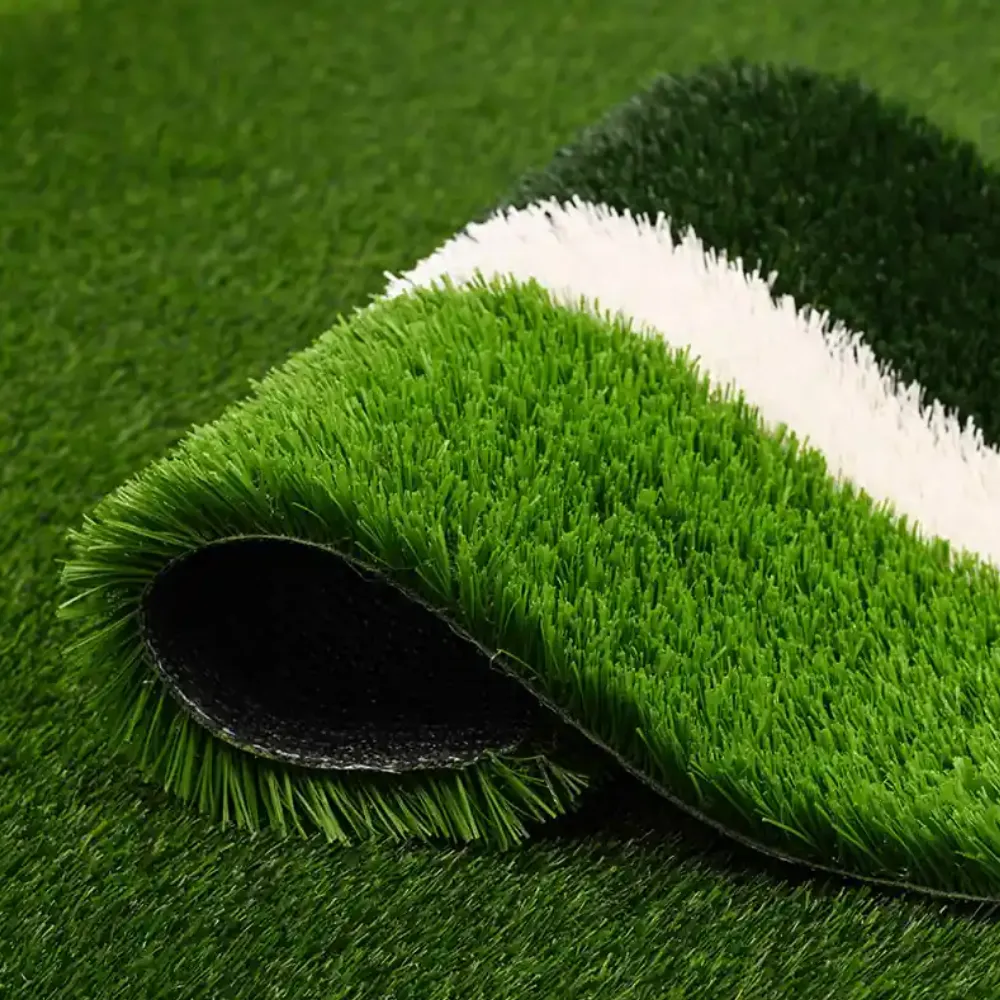
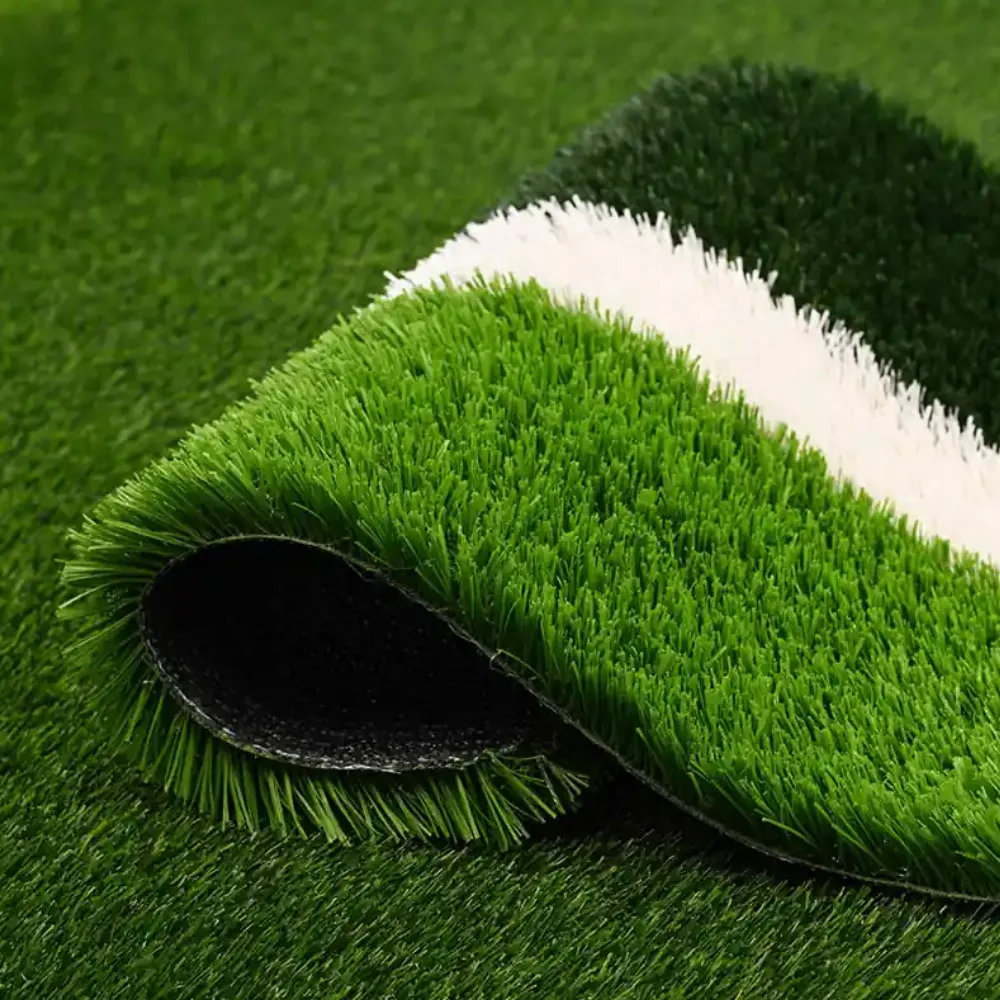
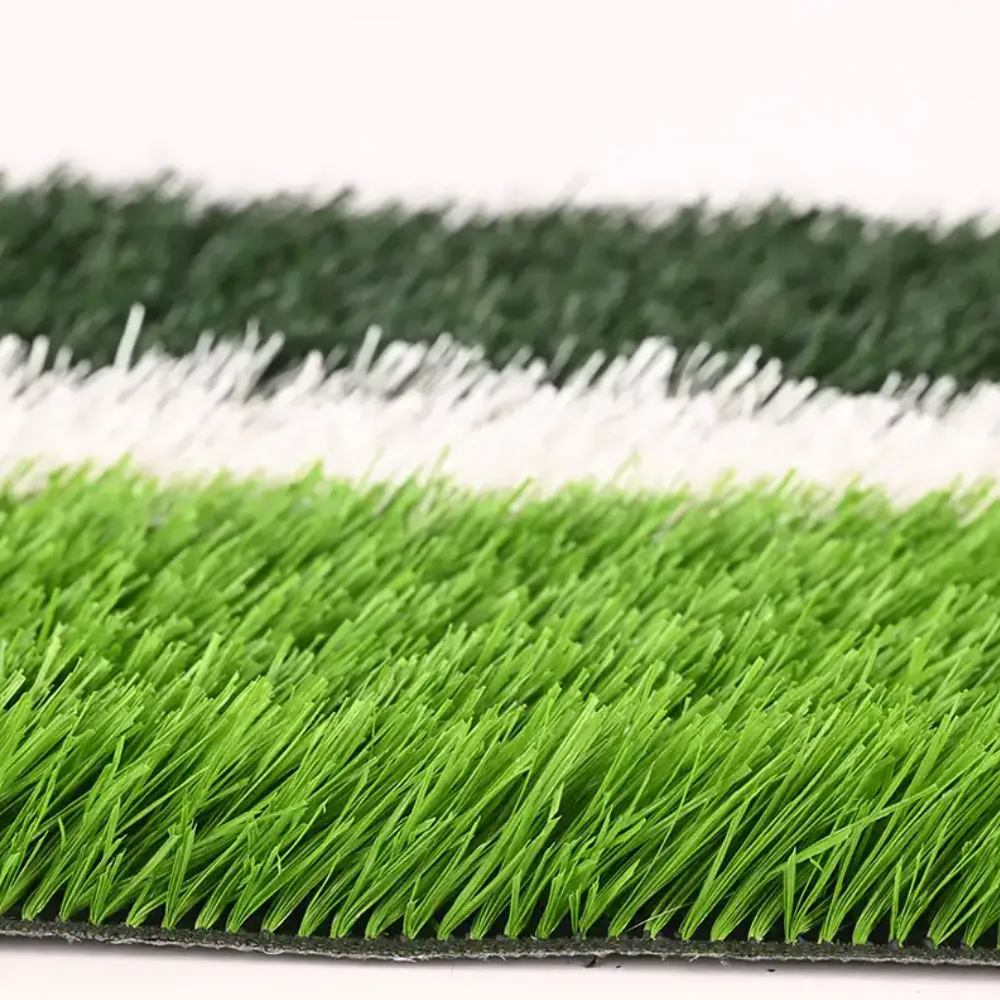
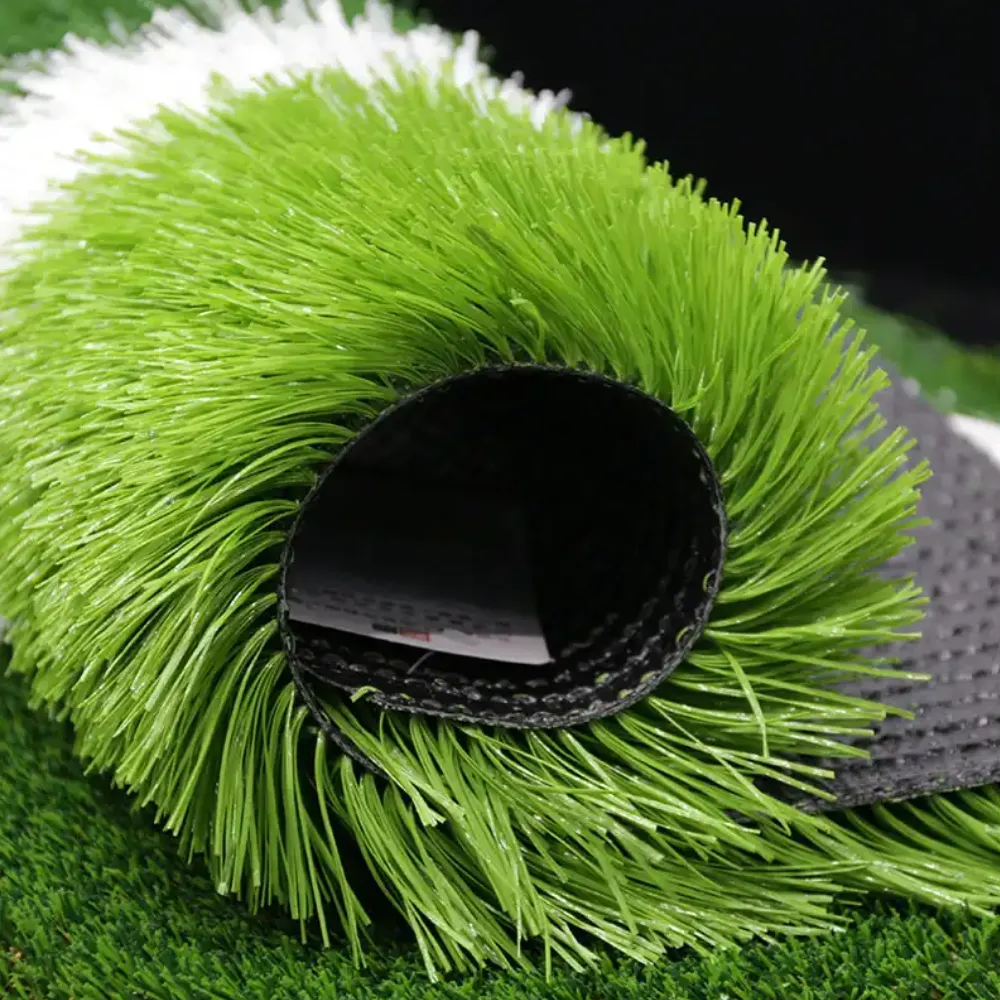
An approved turf system is a defined set of parts accepted for use when certifying a field. The turf carpet is the surface made from fibres and backing. The system also includes its specified infill and shock pad, where used.
A certified pitch is the named field that has met the relevant rules and holds valid certification. For FIFA Quality and Quality Pro, the process includes laboratory testing, field testing, and completion of the required paperwork.
Ask the supplier to label each document clearly. A product report should identify the system; a pitch record should identify the field. A company logo on a brochure can’t replace either document.
To begin comparing physical products, explore our football field artificial grass range, then request documentation for the exact proposed configuration.
Compare FIFA Quality, Quality Pro, and Basic
Choose the required level before requesting prices. A professional competition venue and an intensively used community field may need different performance specifications. The competition organiser should confirm what the venue must satisfy.
FIFA’s October 2026 pitch-certification FAQ, printed pages 7, 9, and 18, explains the following distinctions:
| Programme level | Intended role | Status and validity |
|---|---|---|
| FIFA Quality Pro | Professional competition environments with stricter performance criteria | Pitch certification valid for one year, subject to continued compliance |
| FIFA Quality | Intensive use with broader accessibility | Pitch certification valid for three years, subject to continued compliance |
| FIFA Basic | Assessment against minimum playing-surface performance requirements | Assessment report valid for three months; no certification |
Treat Basic as a separate assessment route
FIFA Basic does not include laboratory product testing before installation. It also does not assess or verify the quality of the installed carpet, fibres, infill, or shock pad. FIFA explicitly states that it does not guarantee the system’s durability.
That makes Basic different from purchasing an approved system for Quality or Quality Pro pitch certification. If a proposal mentions Basic, ask which assessment will be supplied and whether it satisfies the planned use.
Avoid treating any mark as automatic permission for every competition. Organisers may impose additional requirements. Written confirmation of those requirements is more useful than choosing the highest-sounding label on a product page.
How to verify FIFA certified artificial turf claims
Use the FIFA Resource Hub as your starting point. Its Football Turf categories distinguish certified installations, products, licensed providers, and accredited test institutes. Check the category that matches the claim you are evaluating.
Check an existing pitch
Follow these steps when a supplier presents a completed field as evidence:
- Identify the installation. Request the pitch name, location, quality mark, and certificate reference.
- Find the official record. Search the Football Turf installation records rather than relying on a downloaded certificate image.
- Match the details. Confirm that the record concerns the same venue and the stated quality mark.
- Check current validity. Review the certification dates and status. An earlier award does not establish today’s status.
- Resolve differences. Ask the responsible provider or test institute to explain mismatched names, dates, or references.
- Save the evidence. Keep the verified record and the date you checked it in the project file.
FIFA’s FAQ says only pitches listed on its Resource Hub are recognised as certified. If you cannot find a pitch, certification may be absent, expired, or awaiting completion. Clarify its identity and status before accepting the claim.
Check a proposed installation
A field that hasn’t been built can’t borrow certification from another venue. Before work starts, check the approved system and the licensed manufacturer. Request a valid product report covering the full proposed system.
Match the carpet, infill, and shock pad references against the offer. Ask how proposed changes will be checked before the parts are supplied. Similar pile height or looks don’t prove that the same approval covers a changed set of parts.
Then agree the route from delivery to certification. Name who will book the field test, which accredited institute will do it, and who will handle the paperwork. Agree how to resolve a failed test before accepting the pitch as certified.
This makes the order easier to review. You know which evidence exists before you buy and which records must follow once the field is built.
What laboratory and pitch testing establish
Laboratory testing checks the specified turf system. Field testing checks the finished pitch. For Quality and Quality Pro, passing the tests must also be followed by the required administrative steps.
FIFA’s FAQ states: “All three components must be fulfilled.” That means the lab tests, field tests, and paperwork all need to be complete. Passing a field test alone doesn’t guarantee certification.
Read the system report alongside the quotation
Tests examine how the surface responds to the ball and the player. They cover ball rebound, shock absorption, surface deformation, and rotational behaviour underfoot. These last two measures concern how the surface changes shape and grips as a foot turns. Field tests also cover ball roll on the finished pitch.
Read what the report covers before comparing results. Check the product reference, parts, test methods, manual edition, and report validity. Ask the test institute to explain any reference you can’t match.
Pile height remains a useful product specification, but it cannot establish certification. For example, our DW50 50 mm football turf and DJK50 reinforced sports turf both have a published 50 mm pile height. That shared dimension does not establish FIFA approval or the status of a future installation.
Keep test results within their scope
FIFA’s Test Manual II, April 2026 revision gives a clear example in section 4.11. It describes 6,000 Lisport XL cycles for simulated wear, while stating that the test does not promise a specific lifespan in years. Results beyond that cycle count do not establish superior quality or increased durability.
Apply the same discipline to other claims. Football performance certification does not provide a blanket promise that injuries will be prevented. Chemical, fire, environmental, and other sport-specific requirements need evidence suited to those questions.
The manual’s cover identifies it as the 2024 edition, revised in April 2026. It also retains a conditional transition route for valid 2015 reports. Ask which framework applies instead of assuming every older report is automatically invalid.
What to include in a certification-related quote
Give every supplier the same written project brief. Include the location, dimensions, playing level, required mark, construction scope, and expected handover date. Request a proposal that identifies the complete system and separates supply from installation and testing.
Assign costs and responsibilities
A carpet price per square metre cannot tell you the total cost of a certified field. Ground conditions, base and drainage work, system components, freight, installation, testing, and remedial work can change the scope. Compare the same work before comparing totals.
Use this document checklist in your request for quotation:
| Request | What to establish |
|---|---|
| Company and system references | The relevant licensed manufacturer, approved system, and valid product report |
| Component schedule | Carpet, specified infill, shock pad where applicable, and permitted alternatives |
| Construction scope | Responsibility for the base, drainage, installation, and checks between stages |
| Testing plan | Accredited institute, required tests, booking responsibility, and charges |
| Correction and retesting terms | Who investigates failures, pays for corrections, and arranges another test |
| Handover file | Final records, certification evidence, maintenance instructions, and contacts |
Keep maintenance support and commercial warranty terms explicit too. Neither should be inferred from a FIFA logo or a general service description.
Resolve substitutions before delivery
Hypothetical example: Sam is reviewing a club’s tender. The quoted carpet matches a system report, but the offer lists a different shock pad. Sam asks for proof that the proposed system is covered, or for an option with matching documents.
The club keeps the order open until the references agree. That avoids treating an unverified change as an approved system.
Use this checkpoint with any supplier: request the component schedule and supporting references together. It is easier to resolve a mismatch on paper than after the materials have been installed.
Keep certificate status and maintenance records current
Certification has a renewal date. Assign someone to track it, plan the next test, and keep the records. The one-year and three-year periods describe how long certification lasts. They don’t describe how long the carpet will last.
Care for the system as instructed, using suitable tools and an agreed schedule. Keep records of checks, cleaning, repairs, and changes. These help the grounds team explain what happened between tests and trace issues when they arise.
FIFA’s FAQ says the care schedule depends on how much the field is used, the climate, and the system type. A fixed brushing schedule copied from another venue may not suit yours. Ask for a plan covering your system and how it will be used.
Plan retesting with the provider and accredited institute before certification expires. If the surface is replaced or changed, ask what new tests are required. A certificate for the old pitch can’t settle the status of its replacement.
Keep the warranty, maintenance plan, and pitch record together, while checking each document’s terms. That gives the facility manager a useful handover file and clear guidance for day-to-day care.
FIFA turf certification questions
Does a laboratory report certify my completed pitch?
No. For FIFA Quality or Quality Pro, the completed pitch also needs successful field testing and administrative completion. The laboratory report must cover the approved system used in that installation. Check the final pitch record as well as the product documentation.
Is FIFA Quality Pro turf a particular brand?
No. FIFA Quality Pro is a quality mark associated with the programme’s requirements. It is not a universal carpet model. Compare the exact approved system and completed-pitch records behind a supplier’s description.
Does a licensed supplier’s status cover every product?
No. Company status does not establish approval for every product or certification for every installation. Check the company, proposed system, and named pitch separately. A supplier may offer several products with different evidence and intended applications.
Does FIFA require real grass?
Not in every context. FIFA operates a quality programme for artificial football turf, but eligibility for a particular competition depends on its rules. Confirm the required surface and quality level with the competition organiser before specifying the project.
How much does an artificial turf soccer field cost?
The cost depends on the location, area, ground conditions, system, construction work, and testing scope. Request itemised quotations with matching inclusions. Separate the turf supply price from the completed-field budget, including correction, retesting, and ongoing maintenance costs where relevant.
Prepare your project inquiry
Before approving an order, check that the company, system, and proposed field follow a clear route to the required status. Match the references, confirm the competition rules, and assign the testing and handover tasks. For an existing pitch, verify the current record and expiry rather than relying on an old certificate image.
Keep those checks practical. Your project file should let another person see what was specified, what was supplied, what was tested, and what still needs doing. Agree how changes and test failures will be handled before work starts. That clarity helps the buyer, contractor, and grounds team work from the same brief.
Planning a football pitch? Discuss your football turf requirements with X-Nature. Send your location, playing level, project area, and required certification scope.
Request current product specifications, available supporting documents, and a written supply and support scope. Use this FIFA certified artificial turf checklist to assess the evidence behind each proposal before choosing a system for your project.