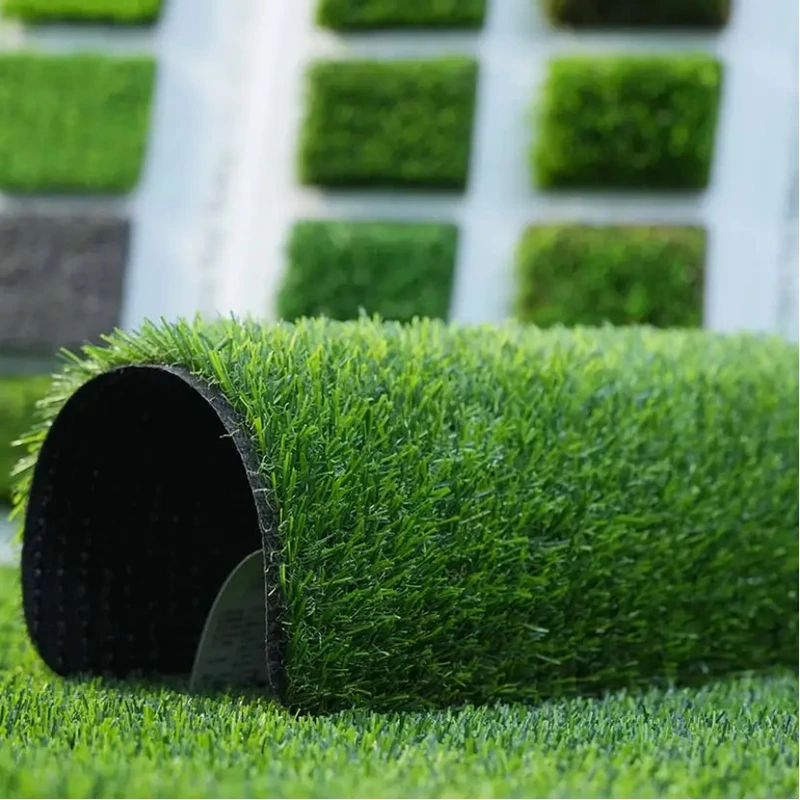
Weddings are among the most demanding events to plan, and the venue’s visual foundation sets the tone for everything that follows. A growing number of couples and event planners are turning to synthetic greenery to create a lush, consistent backdrop that looks flawless from the first photo to the last dance. This article explains how outdoor artificial grass is used in wedding projects, the design possibilities it unlocks, and the material properties worth evaluating before making a purchase.
Why Event Planners Choose Synthetic Turf
Real grass is beautiful, but it is also unpredictable. Rain turns a manicured lawn into mud, heavy foot traffic leaves worn patches by the time the ceremony begins, and a dry spell can fade the color just before the big day. For a one-day event where every detail matters, these variables introduce risk that is hard to control.
Synthetic turf removes much of that uncertainty. It holds its color and texture regardless of weather, drains quickly after rain, and tolerates the movement of hundreds of guests without showing bare spots. It can also be installed on surfaces where natural grass simply will not grow, such as rooftops, balconies, courtyards, and indoor halls. For planners, this means the green setting they envision is the green setting they get, on schedule and without last-minute landscaping work.
Beyond reliability, synthetic turf is reusable. A roll used for a ceremony aisle one weekend can be repurposed as a lounge floor or photo backdrop at the next event. This reusability spreads the cost across multiple occasions, which is why rental companies and venues increasingly keep turf in their standard inventory.
Design Applications in Wedding Settings
The versatility of artificial grass is its biggest advantage. The same material can serve as flooring, a wall covering, or a decorative accent, depending on how it is cut and placed. Below are the applications that appear most often in wedding projects.
Aisle Runners and Ceremony Flooring
The most common use is a green aisle runner, laid from the seating area to the altar. A turf aisle creates a soft, garden-like path that photographs beautifully and feels stable underfoot. Because the material is cut to length, it can be sized precisely to the venue, whether the ceremony takes place outdoors on grass or indoors on polished concrete.
Ceremony flooring does not have to stop at the aisle. Covering an entire stage or altar platform with artificial grass carpet gives the focal point a uniform green base that frames the couple and the officiant. For rooftop or courtyard ceremonies, laying turf over hard paving converts an industrial space into something warmer and more organic.
Backdrops and Wall Decoration
Wall decoration artificial grass has become a signature feature of modern wedding design. A green wall placed behind the altar, the sweetheart table, or the photo booth gives guests a textured backdrop that works with almost any floral arrangement or lighting scheme. Unlike a painted wall, a grass-covered surface adds depth and softens the edges of a space.
These vertical installations are often combined with other elements, such as flower panels, fairy lights, or the couple’s initials in wooden or acrylic lettering. Because the turf provides a neutral green canvas, it recedes visually and lets the accents stand out, which is exactly what a good backdrop should do.
Lounge Areas and Reception Zones
Many weddings now include lounge areas where guests can sit away from the main dance floor. Artificial grass carpet is an effective way to define these zones, marking them as relaxed, garden-inspired spaces within a larger room. Paired with low seating, cushions, and potted plants, turf flooring creates an intimate corner that contrasts with the formality of the dining area.
The same approach works for outdoor cocktail hours, where turf can cover a bar area or a games lawn. Because the surface is even and slip-resistant when dry, it is also a practical choice for areas where guests will be standing with drinks in hand.
Table Accents and Signage
On a smaller scale, strips of turf serve as table runners, placemats, or bases for centerpieces. A strip of green down the center of a table echoes the aisle and ties the room’s design together without the maintenance demands of fresh greenery. Turf can also frame welcome signs, seating charts, and directional markers, giving printed signage a natural, cohesive edge.
Material Considerations: What to Evaluate Before Buying
Not all synthetic turf is the same, and the wrong choice can undermine an otherwise well-planned event. The following factors matter most for wedding and event applications.
Pile Height and Density
Pile height refers to the length of the grass blades, measured from the backing to the tip. For event flooring and wall decoration, a moderate pile height in the 20–30 mm range typically offers the best balance of appearance and practicality. Shorter piles look neat and hold up well to foot traffic, while very long piles can mat down and lose their shape under use.
Density describes how many stitches of yarn are woven into each square meter. Higher density means a fuller, more realistic surface that hides the backing. It also means the turf is better able to spring back after being walked on, which keeps it looking fresh through a long event day.
Yarn Composition and Color
Most event turf uses polyethylene (PE) for the blades, sometimes blended with polypropylene (PP) for the thatch or support layer. PE is soft, resilient, and retains its color well, making it the preferred choice for surfaces where guests will walk or sit.
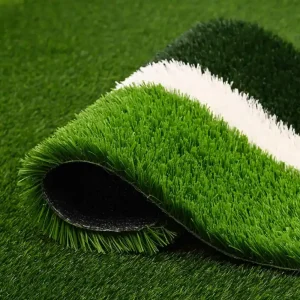
Color is more than a matter of taste. A single solid green can look flat and artificial in photographs. Better products blend two or more shades, and some combine straight blades with curled or crimped fibers. This mix of textures reflects light unevenly, which reduces the glossy, plastic look that gives away cheaper turf. For event settings where the material will be photographed constantly, that visual realism is worth the added cost.
UV Resistance and Color Stability
Weddings are frequently held outdoors, often in direct sun. Without adequate UV stabilizers, synthetic turf will fade over time, and for a material intended to be reused across multiple events, fade resistance directly affects its lifespan. UV-resistant yarn holds its color through repeated exposure, which is why it is a priority for turf that will spend any time outdoors.
Drainage and Permeability
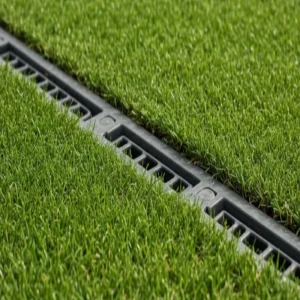
Even the most carefully planned outdoor wedding can be interrupted by rain. Good event turf is permeable, meaning water passes through it rather than pooling on the surface. This is achieved through perforations in the backing and a base that allows water to drain away. Permeable turf dries faster after a shower and is less likely to leave guests standing on wet, slick ground.
Safety Properties
Because weddings bring together guests of all ages, safety properties deserve attention. Flame-retardant treatment reduces the risk posed by candles, sparklers, and other open flames that are common at receptions. Non-toxic and antibacterial materials are likewise important for surfaces where children may play or where food will be served. For indoor venues, checking that the turf meets basic fire-safety expectations is a reasonable precaution.
Backing and Durability
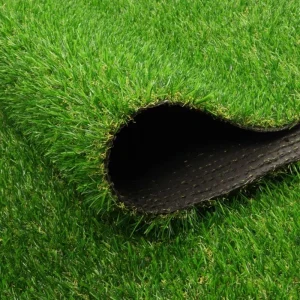
The backing is what holds the entire product together, and it is often overlooked. A quality backing combines a resilient base layer with a reinforced mesh for tear resistance, which matters when panels are cut, seamed, and installed under tension. A latex coating helps lock the yarn in place so blades do not pull out easily during installation or use.
Selecting the Right Product: X-Nature WD8225 Hoarding Turf
The sections above outline what to look for in event turf. One product that meets many of these requirements is the 25mm Hoarding Turf, X-Nature WD8225.
WD8225 features an overall upright grass filament height of 25 mm with a two-color composition that combines straight and crimped filaments. This mixed texture breaks up light reflection, giving the surface a natural look that holds up well in photographs — an important quality for wedding backdrops and flooring.
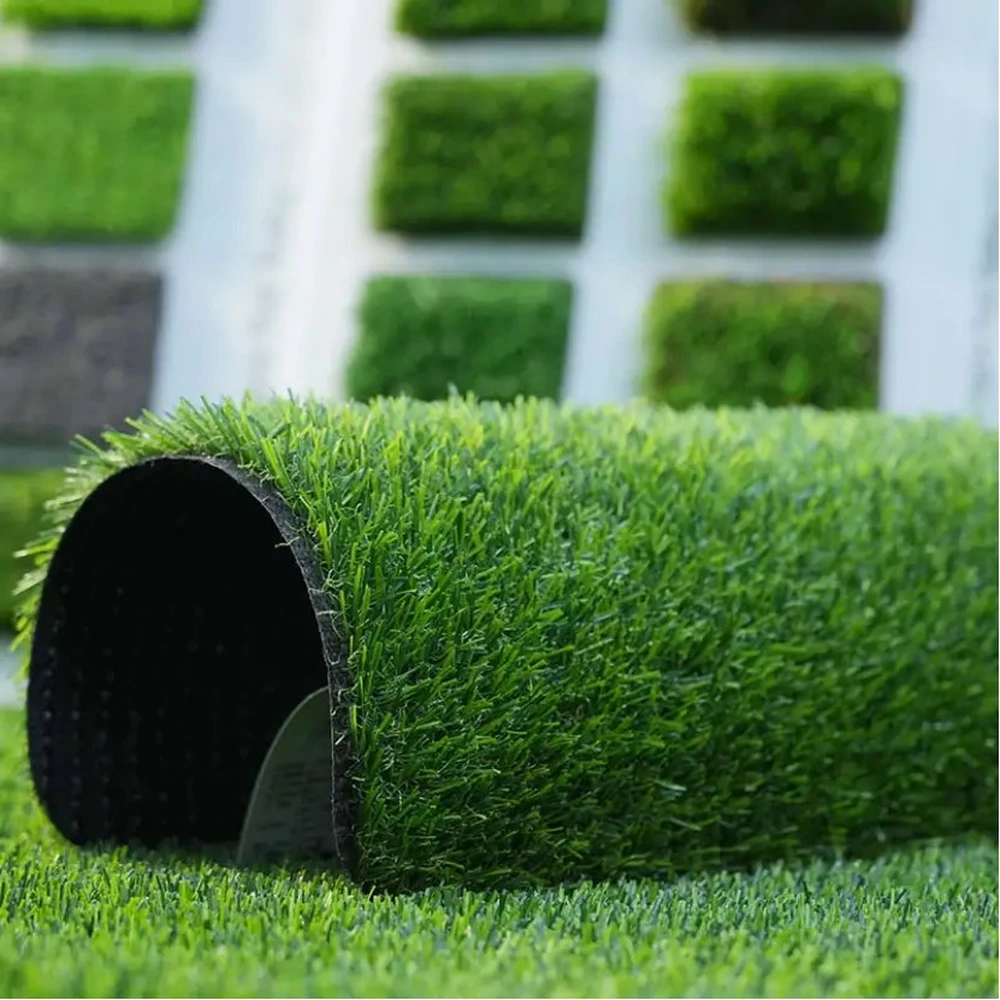
The product is built for safe, versatile use. It is UV-resistant and heat-insulating, which helps it maintain its color and keep surfaces cooler under direct sun. It is flame-retardant, an asset in settings where candles or other open flames are present. The turf is also auto-permeable, allowing water to drain through rather than pool, and it is non-toxic and antibacterial, making it suitable for family events and areas where food is served.
Beyond the wedding day itself, WD8225 delivers practical benefits that matter to venues and rental companies. Its low maintenance cost and dustproof, noise-reducing surface keep upkeep simple, while its density contributes to a clean, finished look that also supports environment beautification and privacy screening for surrounding spaces.
Technical Specifications
The specifications below summarize the product’s construction for buyers who need to compare options:
| Parameter | Specification |
| Model | WD8225 |
| Material | PE + PP / 8000 |
| Pile Height | 25 mm ± 1 mm |
| Gauge | 150 stitches/m |
| Density | 10,500 stitches/㎡ |
| Back Coating | Black SBR Latex |
| Color | Two-color |
| Weight | 1.27 kg/㎡ |
| Size | 2 m (width) × 25 m (length) per roll |
| Package | By roll in PP bag |
| Backing | Black-green anti-aging base + tear-resistant reinforced mesh |
Conclusion
Artificial grass offers wedding planners, event venues, and rental companies a flexible way to create consistent green spaces for different event settings. From ceremony aisles and decorative backdrops to lounge areas and reception flooring, it combines visual appeal with practical benefits such as easy maintenance, reusability, and weather resistance.
When selecting turf for wedding projects, buyers should consider pile height, density, yarn composition, UV resistance, drainage, and backing construction. These factors help determine whether the material can meet the appearance and practical requirements of different event environments.
The WD8225 artificial grass for landscaping, with its 25 mm pile height, two-color straight and crimped filaments, reinforced backing, and multiple functional properties, provides an option for wedding decoration and other landscaping applications.
If you are sourcing artificial grass for wedding projects, event venues, or landscaping applications, contact our team to learn more about WD8225 and discuss your project requirements.
Frequently Asked Questions
1. What pile height is suitable for artificial grass used at weddings?
A pile height of 20–30 mm is generally a practical choice for wedding flooring and decorative applications, balancing appearance, ease of maintenance, and everyday use.
2. Can artificial grass be installed on indoor wedding floors?
Yes. Artificial grass can be laid over suitable, clean, and level hard surfaces, such as concrete and paving. The edges and seams should be properly secured to keep the installation stable.
3. What makes WD8225 suitable for wedding and event decoration?
WD8225 features a 25 mm pile height, two-color straight and crimped filaments, UV resistance, flame-retardant properties, and an auto-permeable structure. Its reinforced backing also supports durability in different decorative and landscaping applications.