Use this artificial grass buying guide to compare the complete landscape proposal: intended use, turf specifications, samples, site conditions, quotation scope, and care. Make your choice from a matching set of documents rather than a pile height or roll price alone.
Two green samples may arrive with very different information behind them. One quote may cover material only; another may include delivery or installation work. If you buy for a garden, commercial landscape, or distribution order, establish those differences before deciding which offer gives you the right scope.
This guide follows the buying process from a short project brief to a documented order and handover. It includes questions and blank comparison tables you can adapt. Where a choice needs site design or product evidence, keep that question open until the responsible party answers it.
Key takeaways
- Define the use and project boundary before comparing models.
- Compare specifications using the same units and definitions.
- Link samples, reports, and quotations to exact product references.
- Check the base, water route, heat exposure, and care needs.
- Compare total scope and written terms before placing an order.
Preparing a landscape enquiry? Send X-Nature your intended use, quantity, destination and model questions to ask which product information and sample arrangements are available. Include any site constraints already identified by your project team.
Start this artificial grass buying guide with the project brief
Define how the space will be used
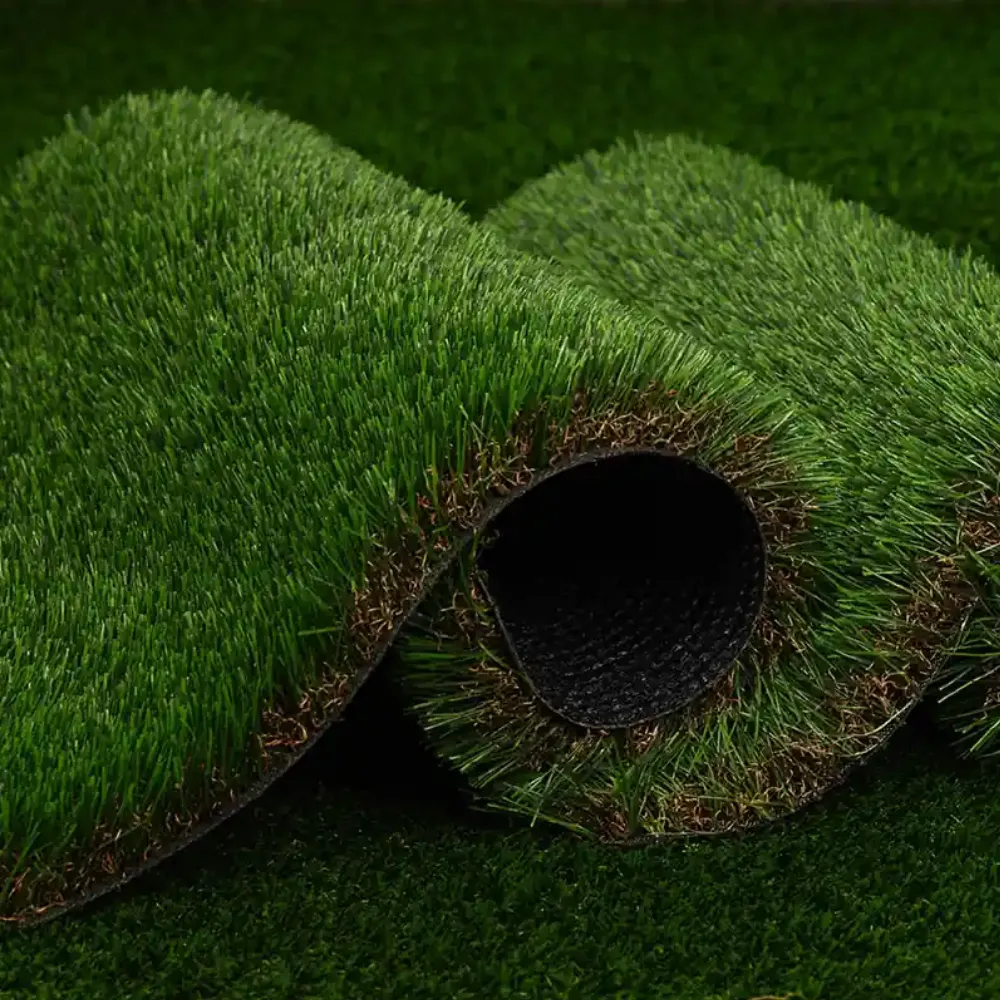
Begin the artificial grass buying guide brief with who uses the space and what they do there. A display area, frequently used courtyard, pet area, and balcony raise different questions. Avoid sending only an area measurement and asking every supplier to infer the rest.
Record look, access, traffic, furniture, pets, and care in the artificial grass buying guide brief. Separate essential requirements from preferences. For example, an approved drainage route may be essential while a particular colour tone remains a sample decision.
Use the artificial grass buying guide as a shared brief for the owner, supplier, and local installer. Ask each party to identify matters outside its scope. This helps the buyer see which decisions still need someone else’s review.
For sports projects, use the football artificial grass buying guide. A landscape model or soft sample should not be treated as evidence for competitive football use. Keep sports-system selection and any field certification requirements in that separate project process.
Map the whole area, not just the turf
Add dimensions, edges, fixed objects, access, and known level changes to the artificial grass buying guide enquiry. Identify whether the installation is on ground, an existing hard surface, or a roof or balcony. Ask the relevant designer what further information is needed.
For a roof or balcony, get the appropriate advice on loading, waterproofing, drainage, attachment, and property requirements. A sample does not resolve those matters. The proposed construction needs review for its actual location.
Illustrative scenario: A buyer requests turf for a courtyard, then learns that the installer has not included work at a doorway edge. The buyer adds the interface to the shared scope before comparing offers. This fictional example describes a planning decision, not a completed X-Nature project.
Keep a dated brief with your artificial grass buying guide comparison sheet. When requirements change, send the same revision to all bidders. Otherwise, a price difference may reflect a different task rather than a different value.
Choose between landscape options honestly
Artificial turf may be one part of a wider landscape plan. Compare it with living planting, natural turf, or other surfaces where those alternatives fit the use. Avoid assuming that a material with less mowing has no other care or environmental tradeoffs.
The UF/IFAS publication on synthetic turf and Florida-Friendly Landscaping, originally published in 2021 and reviewed in December 2024, discusses heat, cleaning water, and ecosystem differences. Its Florida context matters. Use it to frame questions rather than as a finding about every product or every country’s requirements.
Ask which benefits matter on this specific site and which can be supported. “Looks green in shade” is a different claim from “provides the ecological functions of a living lawn.” Record each proposed benefit clearly enough that you know what evidence to request.
Compare specifications and samples on the same basis
Read the fields before ranking the numbers
Start the artificial grass buying guide specification review with a model reference and current product sheet. Then compare pile height, material description, gauge, stitch density, backing, colour, stated weight, roll size, and intended applications. Ask what each field means if the supplier’s terminology is unclear.
In this artificial grass buying guide, a larger number is a prompt for review, not an automatic winner. Check whether the numbers describe the same quantity and use the same measurement basis. A total product weight should not be relabelled as yarn weight.
Ask for the basis of any link between a specification and a performance claim. A sheet may describe the construction without establishing a particular lifespan or result under traffic. Keep the descriptive fields separate from test evidence and written warranty terms.
| Field | What to record | Question before comparing |
|---|---|---|
| Pile height | Value and unit | Is it appropriate for the intended look and care? |
| Gauge and stitch density | Stated values and definitions | Are both offers using the same basis? |
| Weight | Value, unit and what is included | Is this total weight or a defined component weight? |
| Backing | Construction and product reference | Which instructions and reports apply? |
| Roll size | Supplied width and length | How does it fit the proposed layout? |
| Claimed performance | Exact wording and supporting file | What model and conditions does the evidence cover? |
Use HBA40 as a documented model example
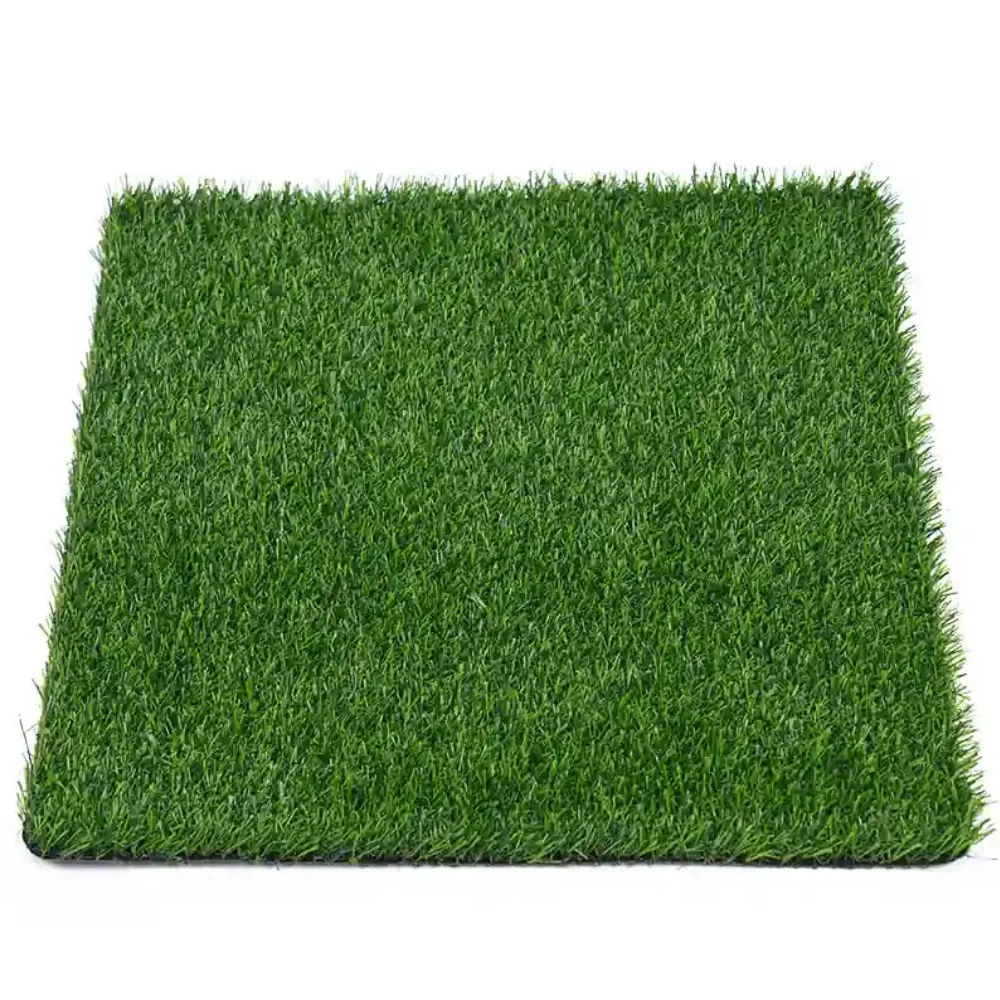
The published HBA40 product page lists a 40 mm pile height, 3/8-inch gauge, 21,000 stitches per square metre, XPU back coating, and a weight of 2.84 kg per square metre. It also lists a four-colour construction and a 4 m by 25 m roll specification. Confirm the current order specification with the supplier.
These are manufacturer-published product fields. They are not an independent test of durability, drainage, temperature, or health effects. The weight field alone does not establish how much of the product is yarn.
Use this artificial grass buying guide to turn that example into questions for another model. Which fields match? Which differ? Which claimed benefits need a report beyond the product description?
For the height decision, read the 30 mm versus 40 mm landscape turf comparison. Keep height, density, visual preference, and intended use in the same discussion. Do not infer that every taller product is more suitable for a given project.
Before signing off the artificial grass buying guide specification table, ask a second reviewer to check units and references against the supplied files. Record any unclear abbreviation and send it back as a question. A table is easier to reuse when each value has a source, rather than a number copied from an unlabelled screenshot.
Compare samples under recorded conditions
For the artificial grass buying guide sample review, request labels with the exact model and relevant batch reference. Keep the label with the sample during the review. Record who received it and which quotation it supports so the reference survives beyond the first sales discussion.
View the samples together under the same conditions. Note light, viewing direction, colour, texture, and your preferences. If appearance changes when a sample is turned, record the orientation instead of treating a single photograph as the complete comparison.
Retain an agreed reference sample where practical and define how it relates to the order. Ask about batch variation, available quantities, and the proposed roll direction in the layout. Buying one project quantity together may be a useful subject to discuss, but it does not justify a guarantee of zero colour variation.
Add the agreed sample reference to the artificial grass buying guide review file. If a later model or colour is proposed, ask for an updated comparison and written confirmation. A familiar product name should not quietly stand for a different construction.
Check the complete system and site conditions
Separate backing identity from broad material promises
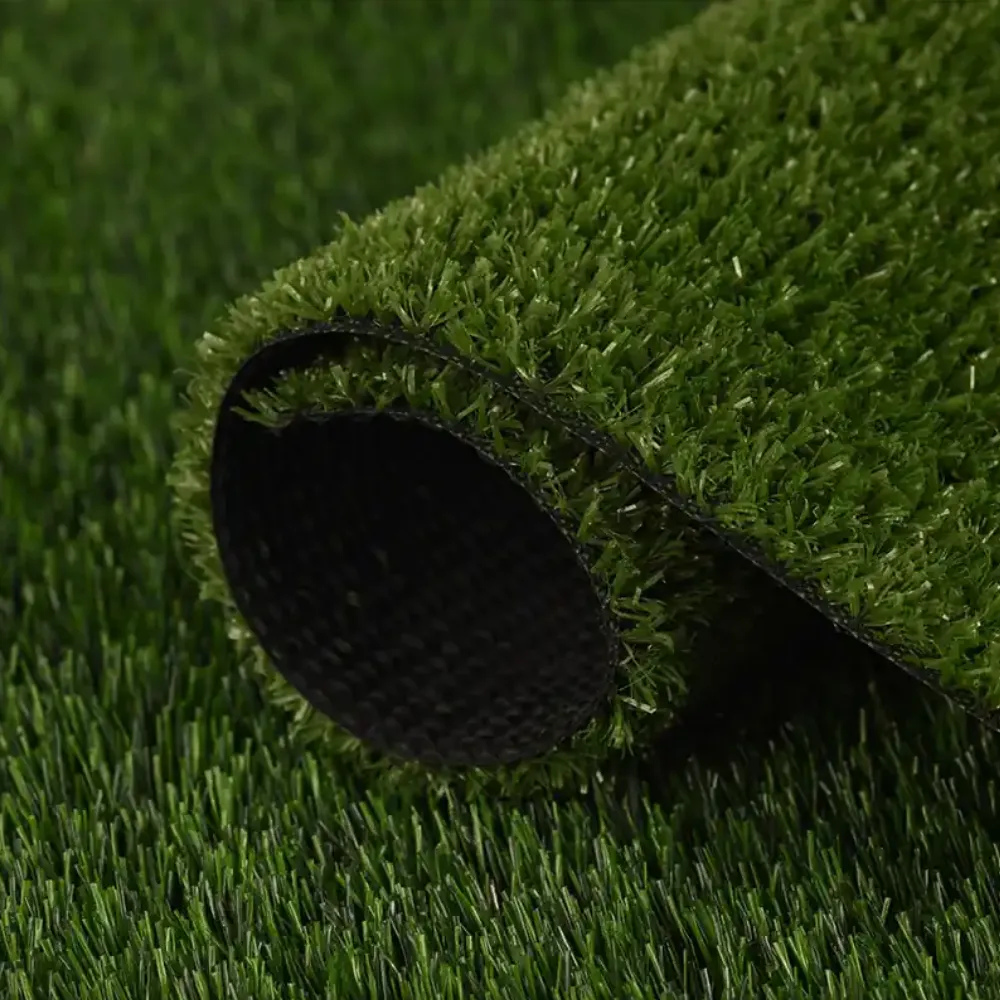
In the artificial grass buying guide backing review, identify the construction of the quoted model. Request relevant product instructions and the supporting files for any claimed property. Compare the scope of the evidence rather than assuming all products with the same coating name behave alike.
Avoid using a generic SBR-versus-PU table as a complete purchasing test. Odour, weathering, tuft retention, installation compatibility, and disposal questions need the appropriate evidence for the actual product. A material name alone cannot answer all of them.
Use the artificial grass buying guide checklist to record the report issuer, identifier, sample, method, date, and stated conditions. Where a file is missing, write “not supplied” and ask for it. Do not convert a marketing phrase into an independently verified result.
For health, indoor, fire, or other application-specific requirements, ask the responsible project advisers which evidence applies. Match the supplied file to the model and intended market. A broad “safe” statement does not define the scope of that review.
Follow the water route beyond the carpet
For the artificial grass buying guide site review, ask how water moves through the construction to its destination. Identify the base, any pad or infill, collection features, and outlet where the design uses them. Record unknown interfaces for the relevant designer to resolve.
SAPCA’s 2020 guidance for bases of outdoor synthetic sport areas discusses site investigation, drainage routes, and discharge constraints. It is UK sports-area guidance, not a landscape construction specification for your site. The useful planning principle is to ask about the complete route, not just a permeable surface.
Within an artificial grass buying guide, that principle becomes a document request. Ask the appointed designer for the project’s drainage basis and interface decisions. Do not select a universal base thickness, pipe spacing, or slope from another installation’s example.
Plan for heat and local use conditions
Ask about sun exposure, shade, nearby reflective surfaces, heat sources, and the intended use of the area. Request any model-specific temperature information with its test conditions. Keep that discussion separate from evidence about UV-related colour stability.
UV resistance should not be translated into a promise of a cool walking surface. Nor should a heat-management claim be accepted without knowing what was measured. Ask the operator and relevant advisers how use will be managed under the actual site conditions.
For pet areas, request cleaning instructions, compatible products, water access needs, and the intended waste-water route. For play areas, ask what requirements apply to the complete installation. Softness by hand does not establish an impact rating or approval for a particular use.
Illustrative scenario: A buyer likes a sample for a sunny pet area, but the quotation includes no cleaning instructions or site water-route information. The buyer asks for both before deciding whether the proposal fits the brief. This fictional example does not claim an odour, safety, or cooling result.
Use this artificial grass buying guide to compare quotations
Give each supplier the same scope
Send the artificial grass buying guide brief, dimensions, use, quantity basis, location, and requested files to each bidder. Ask each supplier to state assumptions and exclusions. Keep alternatives clearly labelled so you can compare them with the main offer.
Separate supplied material area from the area to be covered. Ask how the proposed roll layout affects order quantity, seams, and offcuts. Do not impose a universal waste percentage when the shape and layout have not been reviewed.
Use the artificial grass buying guide to check units and commercial scope before comparing totals. Record currency, quotation date, validity, delivery terms, and whether the offer includes installation. A low roll price does not tell you the complete project price.
| Cost item | Bidder A | Bidder B | Clarification needed |
|---|---|---|---|
| Turf model and supplied quantity | Enter scope | Enter scope | Matching reference? |
| Accessories and specified materials | Enter scope | Enter scope | Included or excluded? |
| Base and drainage work | Enter responsible party | Enter responsible party | Same site assumptions? |
| Installation and interfaces | Enter scope | Enter scope | Edges and access covered? |
| Packing, transport and unloading | Enter terms | Enter terms | Delivery responsibility clear? |
| Applicable taxes or other charges | Enter basis | Enter basis | Confirm with relevant parties |
| Care, repairs and later replacement | Enter assumptions | Enter assumptions | Evidence and responsibility? |
This is a blank comparison aid, not a price estimate. Add lines that matter to your project and request a revised offer where the scope is incomplete. Keep the original and revised quotations together.
Compare value without inventing payback
In the artificial grass buying guide cost review, ask what costs remain after delivery. Cleaning, inspection, repairs, equipment, and future replacement may belong to different budgets or parties. Record the plan and the assumptions before using them in a cost comparison.
If you build a lifecycle comparison, state the period, included tasks, prices, replacement assumptions, and evidence behind them. Compare a relevant alternative with the same project boundary. Do not infer a guaranteed payback or property-value increase from the material choice alone.
An artificial grass buying guide can help expose missing cost lines; it cannot supply an unseen site’s installation labour share. Obtain actual quotations for the location. Keep market statistics separate from your project’s economics.
Track unanswered bid questions
Add a short question log to your artificial grass buying guide comparison. For each gap, record the affected offer, question, owner, reply, and next decision. Use a status such as open, answered, or not applicable with a reason, so a blank cell is not mistaken for a completed check.
When a reply changes the scope, request a revised quotation or document reference. Keep earlier versions for context. A quick email answer may be useful, but the final order should show the agreed position without requiring the receiving team to interpret a chain of messages.
The artificial grass buying guide log also helps when several people review the same proposal. Assign one person to collect replies and share the current file. Each technical or commercial decision still belongs to the party responsible for it; maintaining the log does not make the buyer the site designer.
Make the commercial decision reviewable
Write a short reason for the preferred offer. Identify the agreed model, sample, scope, and remaining conditions. A colleague should be able to understand the choice without reconstructing every email in the enquiry.
Where one bidder offers an alternative construction, compare it separately. Ask which supporting documents and site decisions change with that alternative. Avoid assuming that a lower total buys the same scope simply because both offers use the words “artificial grass.”
For product information to support that comparison, contact X-Nature with your model shortlist, quantity basis and destination. Include the missing document fields so the enquiry can focus on the information needed for your review.
Confirm supplier documents, order identity and delivery
Keep the proposal and evidence connected
Ask who is supplying the product and which legal entity issues the quotation and contract. Record contacts for product questions, order changes, delivery, and defects. Do not assume that the party selling the carpet also designs the site or carries out local installation.
An artificial grass buying guide is most useful when each claim points to a file. Request the product sheet, relevant test information, installation and care instructions, and actual warranty terms. Ask for the evidence needed for the particular project rather than a collection of unrelated certificates.
Use the same model reference across the sample, quotation, order confirmation, labels, and documents. If names or codes differ, request an explanation. A naming difference is a question to resolve, not proof by itself that a product is unsuitable.
Keep the landscape grass category as a starting point for the available model range. The category description helps identify candidates, while the order still needs its own confirmed specification. An application list should not be read as automatic approval for every site in that category.
Define the order before it enters production
Transfer the artificial grass buying guide decisions into the order: model, construction, colour reference, roll arrangement, quantity, packaging, and labels. Ask the supplier to state the agreed tolerances and change process where relevant. Do not create tolerances yourself from a marketing photograph.
Add a clear process for proposed substitutions. Who may request one? Who reviews it, and which documents must change? Keep the answer in writing so a later material or size change is not treated as an informal detail.
Use the artificial grass buying guide file to track approvals. An approved sample, an accepted quotation, and permission for a site change are different decisions. Give each one a date and reference instead of using “approved” without saying what it covers.
Plan receipt and inspection
Add the receiving team’s delivery needs to the artificial grass buying guide order file. Include access constraints, unloading responsibility, storage instructions, and the person to contact if labels or quantities differ. Ask for the relevant handling guidance before the rolls arrive.
At receipt, compare labels, quantities, and visible condition with the order under the agreed process. Record discrepancies and contact the responsible supplier before cutting or installing affected material. Keep photographs and label references with the issue record.
For cut pieces, ask about supplied dimensions, edge condition, packing, and the proposed handling method. If you find loose material, creases, or other concerns, document them and request the applicable instructions. Do not assume every visible defect will disappear after an unspecified waiting period.
An artificial grass buying guide should leave the receiving team with a usable checklist, not just a purchasing decision. Give them the current order, sample reference where available, label requirements, and the route for raising questions.
Plan care, warranty and handover before buying
Establish a care routine for the actual system
For the artificial grass buying guide care review, request current instructions and limits on tools, cleaners, and equipment. Identify who will carry out the work and how questions about the surface will be reported. A care plan should fit the proposed system and use.
The backyard artificial grass maintenance guide can help frame routine inspection questions. Use the specific product instructions to settle methods and frequency. Do not interpret a general guide as permission to use any cleaner or powered brush.
Record leaves, debris, spills, pet use, furniture, and other relevant conditions in the operating plan. Ask which tasks need specialist advice and which the operator can perform. Keep unresolved care questions in the same file as the product reference.
Return to the artificial grass buying guide comparison if a model needs a care arrangement the operator cannot provide. That is a purchasing issue to resolve before the order. A preference for appearance should be considered alongside the work needed to keep the proposed surface usable.
Read the actual warranty terms
For the artificial grass buying guide warranty review, request the written terms and identify the provider. Check the covered product, conditions, exclusions, required records, claim process, and available remedy. Separate a product warranty from any workmanship terms offered by the installer.
Do not turn a general sales statement into a guaranteed service life. If an offer states a time period, ask what that period covers and under which conditions. Keep the exact wording with the quotation comparison.
This artificial grass buying guide does not assign a standard life to every backing material or product. Use the actual terms and supporting evidence. Ask how repairs, material changes, or care arrangements should be recorded for the project.
Hand over the records, not just the rolls
Complete the artificial grass buying guide handover plan by agreeing the file the operator will receive. Include the installed layout where relevant, model and batch references, instructions, inspection records, warranty terms, and named contacts. Record remaining actions and who closes them.
Illustrative scenario: A project is ready for handover, but the care file still refers to an earlier model selection. The operator asks for the correct instructions and keeps that action open. This fictional example illustrates record control, not an actual installation outcome.
Finish the artificial grass buying guide review with a clear list of accepted items and outstanding questions. A completed folder should help the next person find the right instructions and contacts without relying on the buyer’s memory.
Questions landscape buyers ask
Is a taller pile always a better choice?
No. Compare the intended appearance, use, construction, care needs, and sample together. Height is one field in the specification. Ask for the evidence behind any claim that a particular height makes a product more durable or more suitable for your site.
Can I compare two products by their weight alone?
First establish what each weight includes and which unit is used. A total product weight is not automatically a yarn weight. Keep the definitions beside the values, then compare the other construction fields and relevant evidence.
Will the installed colour look exactly like the photograph?
Use labelled samples and a recorded comparison rather than a photograph alone. Ask about viewing direction, batch variation, and the layout. Agree the reference and order process without treating them as a promise of identical appearance under every light and viewing condition.
Does a drainage-hole description prove the whole area will drain?
No. Ask the designer to explain the complete construction and destination of water. A product description does not establish the capacity of the existing base or outlet. Keep site drainage questions separate from the identity of the carpet.
What should I request if the new product has an unexpected odour?
Record the model, batch reference, packaging, conditions, and concern. Ask the supplier for the relevant product information and instructions, and seek appropriate advice for the intended use. Do not assume that an odour is harmless or harmful from its presence alone.
What information helps a supplier prepare a useful response?
Send the intended use, location, quantity basis, dimensions, desired appearance, model shortlist, and known site constraints. Add the missing document questions and required delivery scope. The clearer the shared brief, the easier it is to see whether responses address the same task.
Use this artificial grass buying guide to keep selection, evidence, price, and handover connected. Contact X-Nature with your landscape brief, quantity and destination to ask about current models and the product documents available for your project review.