Introduction
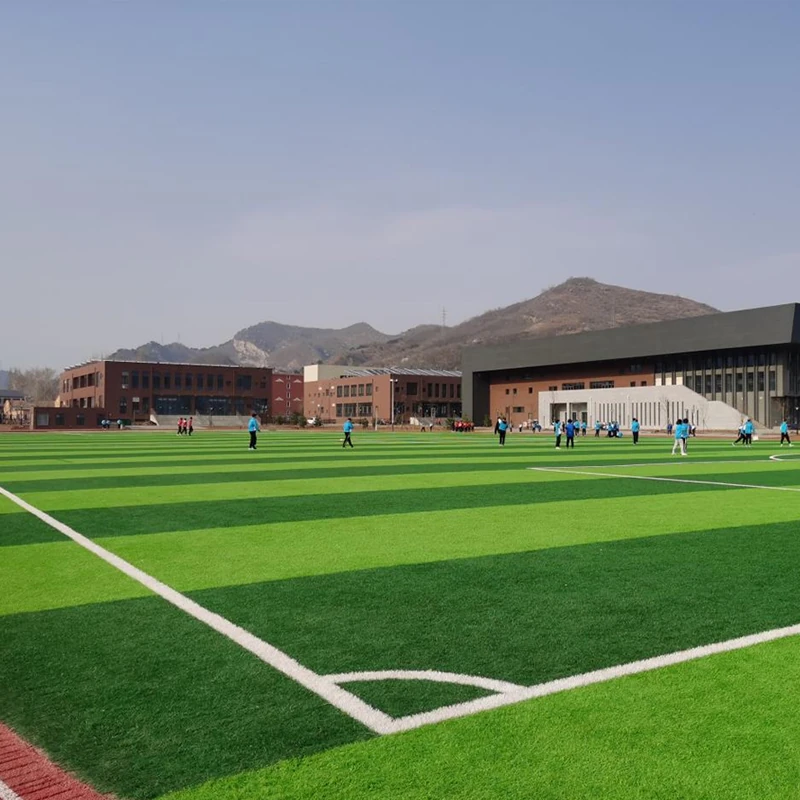
The charm of football lies not only in players’ exquisite skills and the thrilling twists and turns of matches, but also in the support of the green pitch. As the stage for football games, soccer field turf directly affects match quality, player safety and sports experience.
From professional stadiums to campus playgrounds and community courts, the selection, installation and maintenance of soccer field turf run through the entire process of football popularization. With the development of the football industry and technological iteration, soccer field turf has evolved from a simple lawn cover into a systematic project integrating functionality, safety and environmental friendliness, serving as an important pillar for the high-quality development of football.
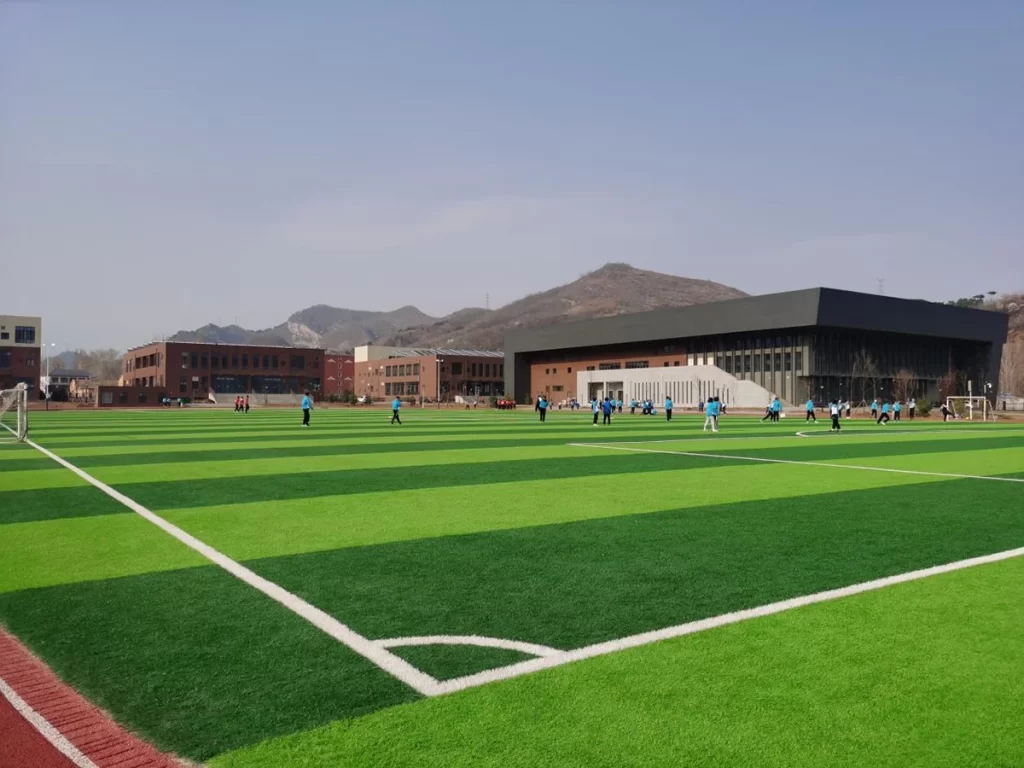
Core Classification and Characteristics of Soccer Field Turf
At present, soccer field turf is mainly divided into two major categories: natural lawn and artificial turf, each with unique advantages to suit different application scenarios and demands.
Natural lawn has long been the first choice for traditional football pitches. Consisting of artificially cultivated grass communities, it features a natural touch, good air permeability and excellent shock absorption. It can simulate the natural grassland environment to the greatest extent and reduce joint injuries when players sprint or make sudden stops, so it is widely adopted in professional stadiums. Its core advantage lies in fully meeting the original demands of football sports, with ball rebound rate and rolling distance complying with professional competition standards. However, it is greatly affected by climate and soil conditions and comes with high maintenance costs. Regular mowing, fertilization and irrigation are required, and its wear resistance is limited, making it unsuitable for high-intensity and high-frequency usage scenarios.
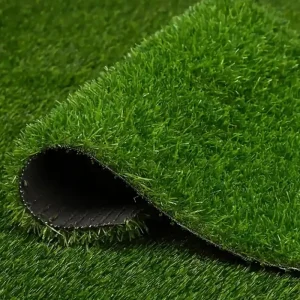
Soccer field synthetic turf is made of synthetic fibers simulating natural grass blades, combined with infill materials such as quartz sand and rubber granules. It boasts outstanding wear resistance, easy maintenance and a long service life, ideal for high-frequency venues including campuses, community courts and amateur training grounds. In recent years, the technology of soccer field synthetic turf has been continuously upgraded. Eco-friendly infill materials such as TPE granules and coconut fiber have been increasingly widely used. Its elasticity and air permeability are close to those of natural lawn. Moreover, it adapts to extreme climates and requires no complicated maintenance, becoming the mainstream option for the construction of grassroots football venues.
Core Functions and Industry Value of Soccer Field Turf
Soccer field turf serves not only as the carrier of football matches, but also plays an irreplaceable role in guaranteeing event quality, promoting the popularization of football and driving industrial development.
In terms of event guarantee, high-quality soccer field turf provides players with a stable sports environment and standardizes the rebound and rolling trajectory of the ball, allowing athletes to give full play to their competitive level. Meanwhile, it effectively reduces the risk of sports injuries. A flat and elastic turf cushions the impact when players land, lowering the chance of sprains, abrasions and other accidents. FIFA has strict quality standards for turf used in professional events, including coverage, evenness, ball rebound rate and other indicators. Only qualified venues are allowed to host official competitions.
In terms of football popularization, the promotion of synthetic turf has cut down the cost of venue construction and maintenance, enabling more schools and communities to build standard football fields. It provides basic conditions for youth football training and mass football activities, helping football enter everyday life.
In terms of industrial value, soccer field turf fuels the development of the whole industrial chain, including turf cultivation, installation construction and professional maintenance services.
Selection of Soccer Field Synthetic Turf
X-Nature Grass is committed to providing customers with more professional, high-quality and eco-friendly products. All raw materials are selected in accordance with the highest industry standards, eco-friendly, non-toxic and fully reliable.
X-Nature artificial turf production base has passed the environmental assessment by the National Environmental Protection Department,It has obtained the three systems certifications of quality, environment and occupational health from the domestic authoritative third parties for the production-oriented enterprises.The products has passed full physical and chemical tests of the industry’s new national standard, and passed the relevant tests of the FIFA laboratory,In terms of innovation, it has obtained several patent certificates issued by the State Intellectual Property Office.
X-Nature Grass offers a variety of soccer field turf models including MCDS30, DJK50 and DW50, and provides custom artificial grass for football fields.
| Model | MCDS30 |
| Material | PE+PP/11000+6600 |
| Pile Height | 30mm |
| Stitch pitch | 3/8 inch |
| density | 29400 stitches/㎡ |
| Color | Pasture Green + Lemon Green |
| Type | Non-infillsoccer turf |
| Usage | Non-commercial football / rugby field |
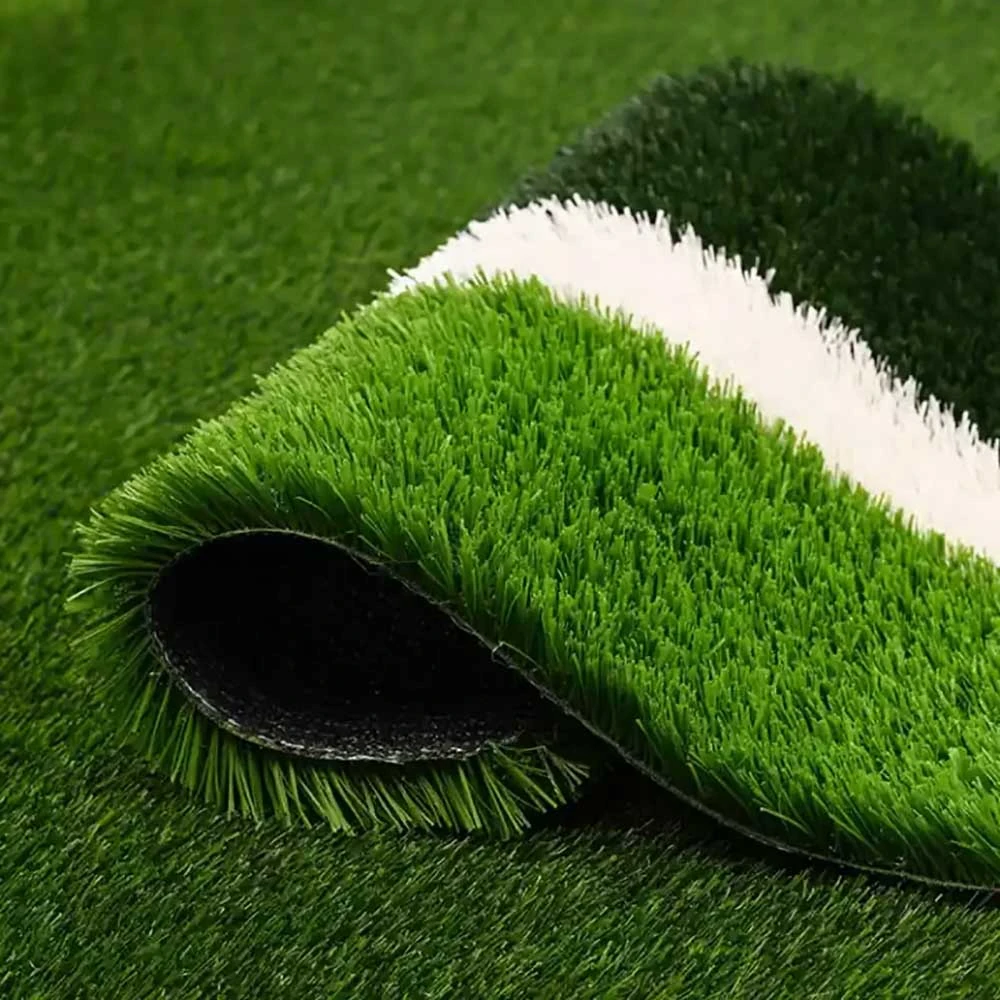
| Model | DJK50 |
| Material | PE/9500 |
| Pile Height | 50mm |
| Stitch pitch | 5/8 inch |
| density | 10500 stitches/㎡ |
| Color | Dark green + Light green |
| Type | Reinforced football turf |
| Usage | Soccer / Rugby Field |
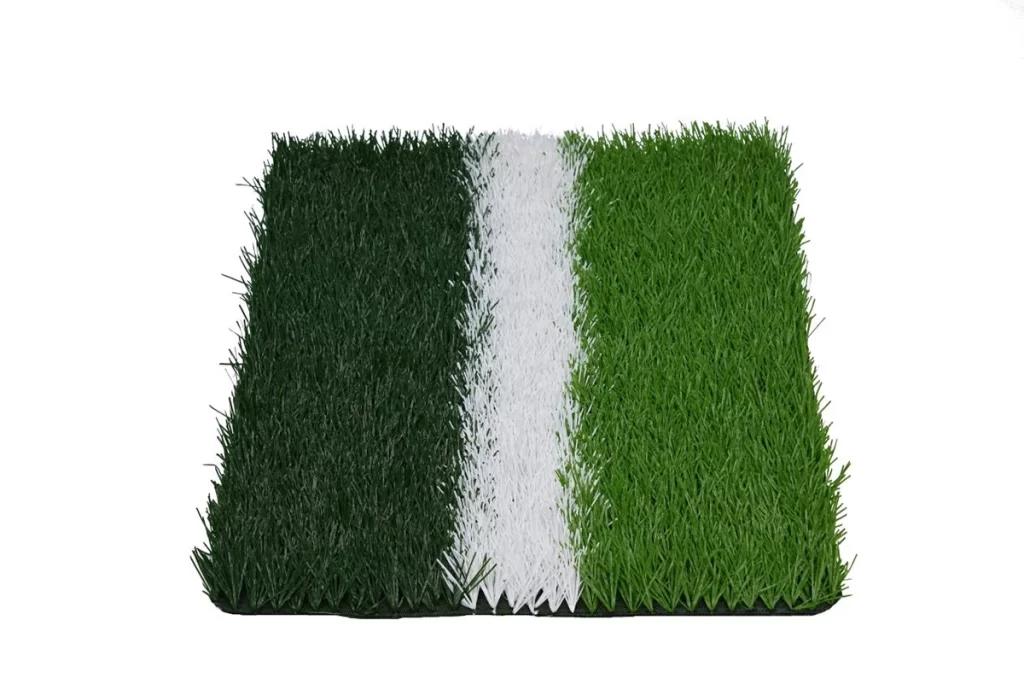
| Model | DW50 |
| Material | PE/13500D |
| Pile Height | 50mm |
| Stitch pitch | 5/8 inch |
| density | 10500 stitches/㎡ |
| Color | Dark green + Light green |
| Type | Infilled soccer turf |
| Usage | Soccer / Rugby Pitch |
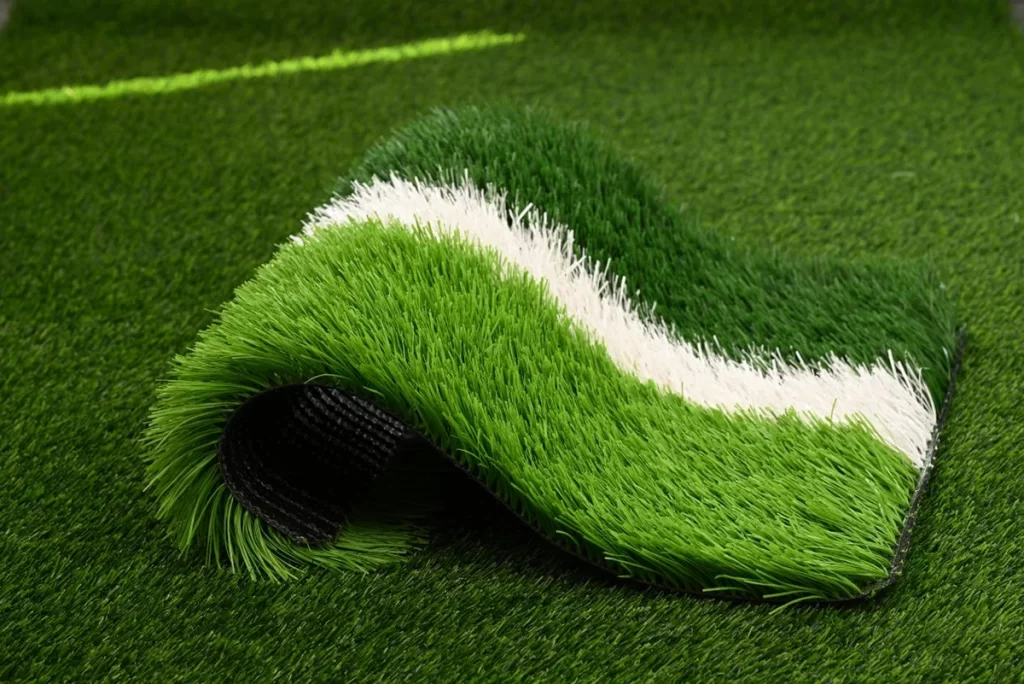
Advantages of X-Nature Grass
1.The raw materials are imported from the international market, with high quality,excellent performance, environmental protection and durable, natural skin-friendly.
2. Ultimate integration of automation, real-time online monitoring, quality control stability, simple, standard and timely supply.
3. Core staff have been working for more than 15 years, with high education accounting for70%,focusing on R&D and leading innovation.
4. The product system includes all artificial turf application scenarios, we can think what you think, free customization, win-win value.
5. The whole system of production and management certification,smooth cooperation at home and abroad, service coverage of product life cycle.
6. With a number of patents, industry credit endorsement, many business cases.feel free to visit and experience it anytime.
Frequently Asked Questions
Q1: What is the difference between non-infilled turf and traditional infilled turf?
A:Traditional infilled turf uses quartz sand and rubber granules to lock grass fibers, simulate soil texture and provide elastic cushioning. Non-infilled turf relies on a specially designed grass fiber structure and shock pad backing to achieve sports performance directly without any infill materials. It avoids environmental risks such as particle loss, aging and microplastic pollution, requires much easier daily maintenance, and delivers a feel and sports feedback closer to natural grass.
Q2: Is daily maintenance of artificial turf troublesome?
A:Compared with natural grass, artificial turf requires very simple maintenance. Normally, just regularly clean up debris and comb flattened grass fibers with a soft brush or professional equipment. It is recommended to inspect the infill granules (quartz sand and rubber granules) every six months. Replenish granules in time if there is loss or uneven distribution to keep the site flat and elastic.
Q3: Is there color difference between product pictures and actual turf?
A:Slight color differences may occur due to different monitor settings, lighting conditions and production batches. We suggest purchasing all required turf at one time from the same production batch to ensure color consistency. In addition, laying all turf rolls in the same fiber direction can effectively avoid obvious color difference.
Conclusion
With all-weather applicability, low maintenance costs, high durability and continuously improved sports protection performance, artificial turf for soccer fields has become the mainstream choice for modern sports venue construction. Whether it is to improve the standardization of professional competitions or meet the high-frequency sports needs of campuses and communities, selecting international-standard artificial turf with premium materials is a wise move to protect athletes’ safety, enhance sports experience and maximize the long-term benefits of the venue.