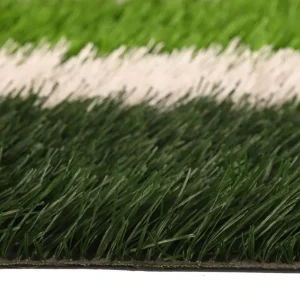
Football turf installation starts with an approved system and a released base, then moves through laying, joining, checks, and documented handover. Agree who accepts each stage before the next team covers the work.
A green surface can hide an unresolved base issue or an undocumented material change. If you manage procurement or site delivery, you need records that explain what went into the field and who accepted it. This guide shows where to stop, what to check, and which files to keep.
Key takeaways
- Confirm the carpet, pad, infill, drawings, and responsible parties before work starts.
- Record base acceptance before turf hides the construction below it.
- Follow the actual seam materials’ instructions for conditions and curing.
- Separate contractor checks, required field tests, and permission to open.
- Give the operator a usable maintenance file and an open defects list.
Use the football turf buying guide to settle selection questions before turning the chosen system into a site work plan. Football turf installation records should follow that same system throughout delivery.
Have a model or drawing ready? Send X-Nature your project details and ask which product and system documents are available for your review. State the site location, intended use, and unresolved document questions.
Plan football turf installation around the approved system
Assign each responsibility
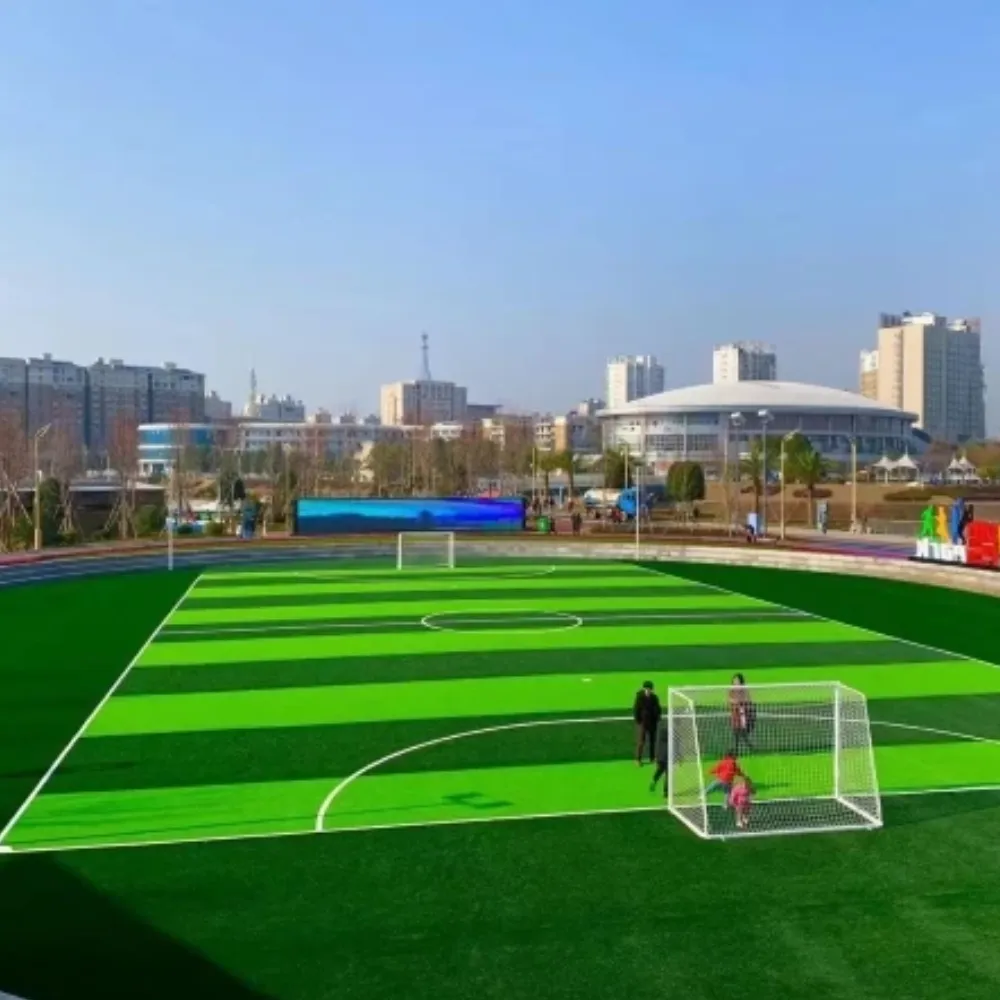
Start football turf installation with a scope sheet. Identify who designs the base and drainage, supplies the carpet and pad, installs the surface, arranges tests, and accepts the completed work. A quote alone doesn’t define these roles.
For football turf installation, name the person who can approve a material change. Also name the person who can release a covered stage. These may be different people, and neither role should depend on an informal conversation at the gate.
Include these site tasks in the work plan:
- Arrange access, storage, and lifting.
- Plan waste removal.
- Protect completed areas.
Check how other trades will reach fences, lighting, goals, and services. Keep those movements consistent with the agreed site sequence and surface protection requirements.
Lock the drawing and document versions
Keep an approved file with the field layout, roll plan, line markings, system specification, material instructions, and inspection plan. Give each document a revision number or date. Make the current set easy for the site supervisor to find.
FIFA’s installing football turf overview places installation within a wider project process that includes planning and later maintenance. Use that project perspective when assigning responsibilities; it does not supply the adhesive settings for your particular construction.
Compare deliveries with the approved product identity. The football grass category can help you identify the proposed model, but a category listing is not a project acceptance report. Request the relevant model documents and connect them to the delivery labels.
Illustrative scenario: A project manager receives turf while a base survey still has an unresolved low area. The team records the issue and seeks the designated designer’s decision before laying. This fictional example illustrates a decision point, not a measured customer result.
Make the football turf installation plan clear enough that a replacement supervisor can follow it. Record decisions in the shared project file rather than relying on one person’s memory.
Accept the base before laying turf
Check against the project design
Football turf installation needs a separate base check. Ask for the specified survey, drainage checks, and other inspection records before arranging the surface crew’s next stage. Compare those records with the current design and agreed acceptance criteria.
Do not copy a base thickness, slope, or compaction target from an unrelated field. The designer must set criteria for the actual ground, construction, drainage route, and intended system. An article cannot establish those values for an unseen site.
Walk the site with the people responsible for the base and surface. Note visible damage, loose material, contamination, edges, service covers, and incomplete work. Confirm where any measured deviations appear on the drawing so the decision concerns a known location.
During football turf installation, a clean photograph supports a record but cannot replace a required measurement. Keep survey references and signed decisions with the photographs. Explain any limitation in the inspection rather than marking an unchecked item as complete.
Use a hold point before covering work
A hold point is a stop in the sequence: work proceeds only after the named person releases that stage. Set this point before the carpet or pad covers the base. Record whether release is complete, conditional, or refused under the project’s agreed process.
Use the following blank template for football turf installation planning. Fill it with project requirements, not assumed pass values.
| Check | Approved basis | Record to attach | Decision owner | Open issue |
|---|---|---|---|---|
| Base levels and falls | Drawing and survey criteria | Survey reference | Named project role | Enter location |
| Drainage provisions | Design and inspection plan | Check or test record | Named project role | Enter action |
| Surface condition | System preparation requirements | Inspection and photos | Named project role | Enter action |
| Edges and interfaces | Current detail drawing | Inspection reference | Named project role | Enter action |
If release carries conditions, state exactly which work may continue and who will close the remaining issue. Do not let the phrase “accepted with comments” hide a missing decision. File the release where the surface crew can access it.
Lay and join rolls during football turf installation
Match the rolls to the layout
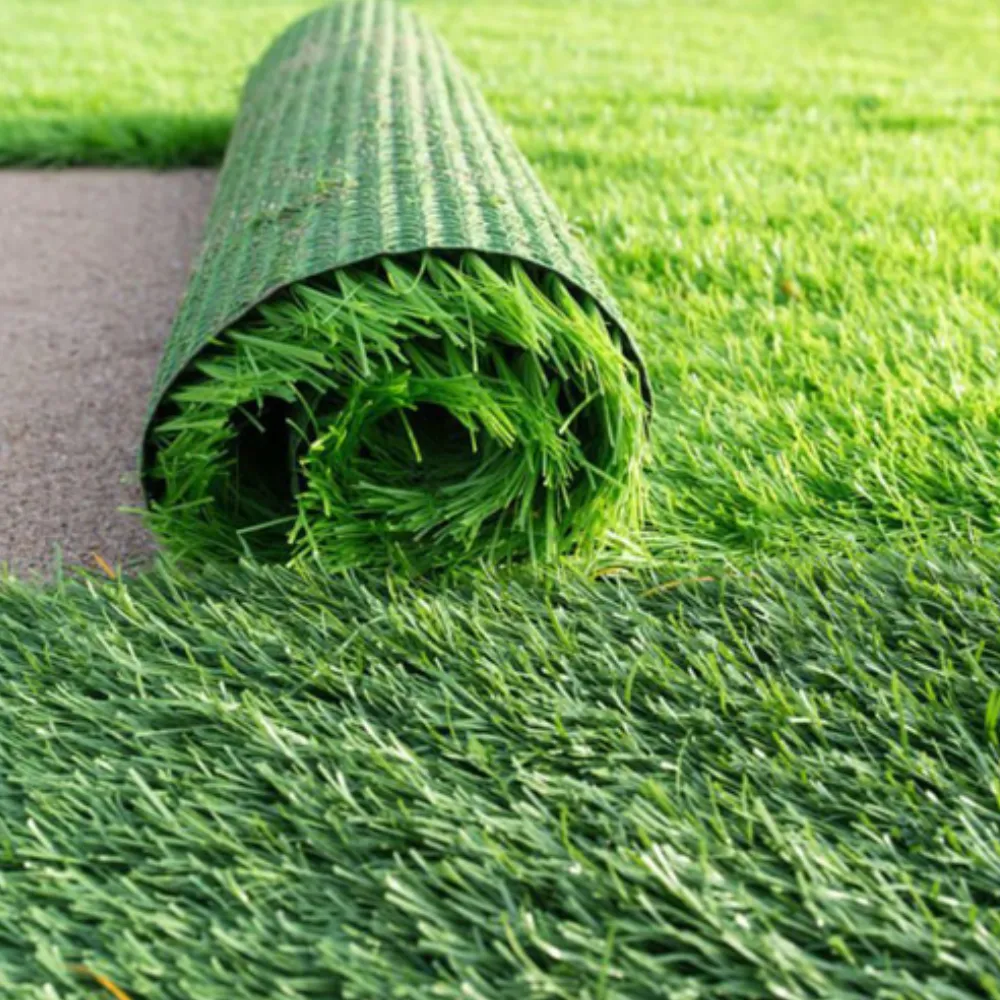
Check roll labels, model, batch, dimensions, and delivery condition against the agreed schedule. Record damage or mismatches before cutting. Keep enough label information to trace an installed area back to its supplied material.
Use the approved layout to confirm roll positions and pile direction. Check how the plan handles boundaries, markings, access points, and edges. Any proposed change needs a recorded decision before it affects cutting or seam locations.
Plan football turf installation so the crew can identify each roll on a marked drawing. Save the updated layout as work progresses. A roll map is more useful at handover when it reflects the installed field rather than the original delivery plan alone.
Follow the carpet manufacturer’s instructions for handling, preparation, and any settling period. Weather and the actual material matter. Avoid turning another manufacturer’s example into a universal waiting time for your project.
Control seam materials and curing
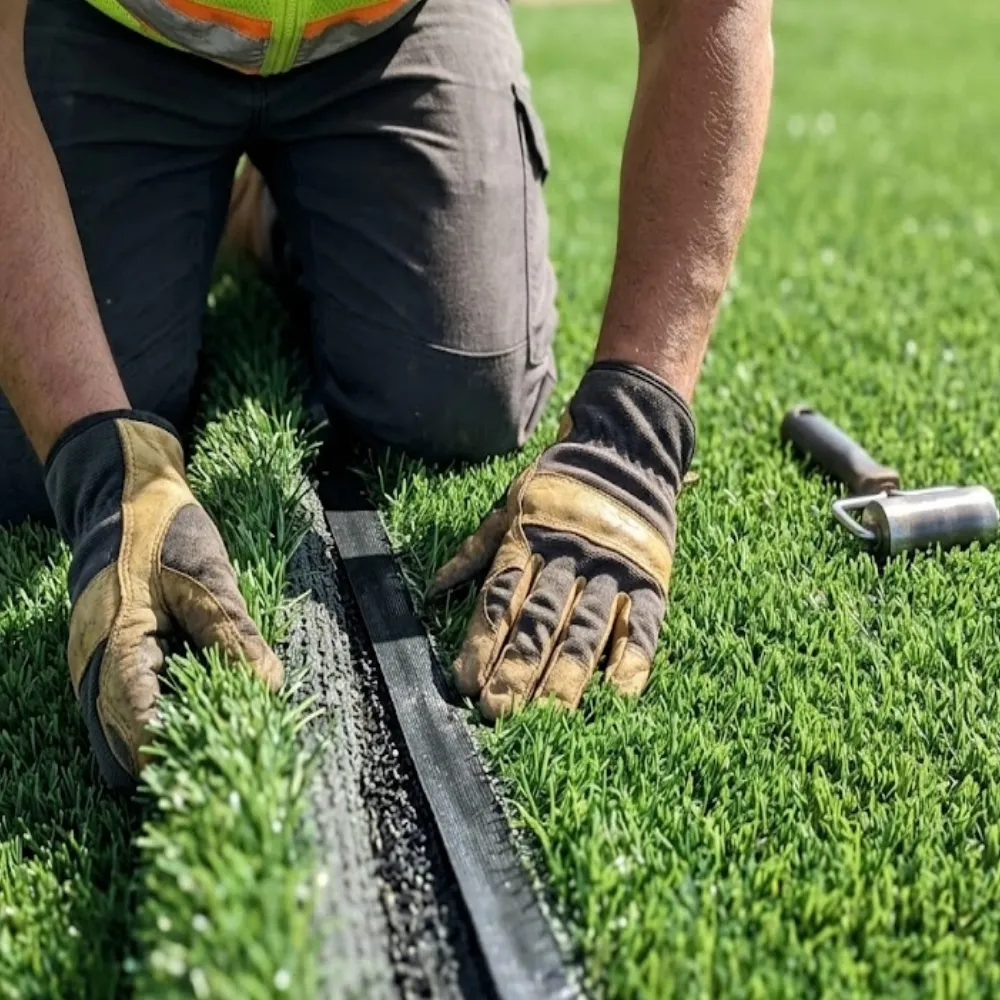
Confirm that the tape, adhesive, backing, and any other joining materials match the approved system and instructions. Check product identity, usable life, storage condition, and the document version available to the crew. Obtain written clarification when the supplied combination differs from the approved file.
Illustrative scenario: The delivered adhesive has a different product code from the seam method sheet. The supervisor pauses that joint and asks for confirmation of the intended combination. This fictional example shows how to handle a mismatch without inventing a successful field outcome.
For football turf installation seams, record the conditions required by the actual materials. Follow their preparation, mixing, application, and curing instructions. Do not set a universal glue quantity, temperature range, seam gap, or opening time from this guide.
Check alignment and the treatment of fibres at the joint while following the approved method. Document visible concerns and the action taken. Keep tools and traffic away from work that has not reached the release condition stated in the method.
Photograph relevant hidden work before covering it. Include a location reference, date, material identity, and record of any approved change. A close-up without a field location may be difficult to use when a later question concerns one specific seam.
Review the seam and edge records before moving to the next operation. Football turf installation should leave a traceable sequence, with any repair linked to its location and checked under the project’s inspection plan.
Check markings, pad and specified infill
Confirm the complete construction
For football turf installation, match markings to the approved field layout and intended use. Check dimensions using the agreed measurement method and record any deviations. Where different sports share the area, confirm the approved colours and line arrangement before cutting or joining markings.
Check pad identity, layout, joints, and interfaces where a pad forms part of the specified system. Keep the pad records with the carpet and base records. A change in one layer needs review against the complete approved construction.
The football turf installation file should show which materials are present, where they are used, and which instructions apply. Avoid describing a carpet model as if it alone defined the finished playing surface. Preserve the connection between the system specification and the installed components.
Follow the specified infill method
For an infilled construction, confirm the material identity and required installation records before spreading. Use the approved instructions for quantities, layers, brushing, and checks. Keep delivery quantities separate from measurements of what was installed across the field.
Use the football turf infill system guide to prepare material and document questions. It does not replace the chosen system’s application instructions. Do not transfer a depth or mass per area from a different carpet and infill combination.
Where football turf installation uses a specified non-infill system, do not add fill tasks simply because they appear on a generic checklist. Confirm the complete construction and its care instructions. Mark irrelevant checklist items as not applicable with a reason.
Record locations used for the specified depth or distribution checks. Note equipment, method, results, and corrective work where the inspection plan calls for them. An even-looking surface alone does not demonstrate compliance with the agreed system requirements.
If component documents conflict, send X-Nature the model references and the conflicting pages to ask for clarification of available product information. Keep the project designer and installer involved in decisions affecting the installed construction.
Football turf installation inspection and acceptance
Close the contractor’s checks
Before football turf installation acceptance, gather the contractor’s check records and walk the field. Check seams, markings, boundaries, visible damage, specified infill records, and incomplete interfaces against the agreed inspection plan. Include earlier conditional releases in this review.
Create a punch list: a list of unfinished work and defects needing action. Give each item a location, responsible party, action, and closure record. State who verifies completion so a tick beside an item has a clear meaning.
Keep football turf installation checks separate from claims about certification. An installer can record a completed seam inspection without claiming that the whole field meets a named programme. Use the right evidence for each claim.
When a defect requires rework, record the repair method and approval where required. Then retain the follow-up check and any relevant photographs. Do not erase the original issue from the history simply because the work has been corrected.
Distinguish testing, acceptance and opening
The FIFA Quality Programme for Football Turf distinguishes laboratory evaluation from testing of an installed field. A laboratory report for a system does not establish that your completed field holds certification. Verify the actual report, field identity, scope, and applicable programme requirements.
Arrange field tests when the contract, governing body, or relevant programme requires them. Confirm who commissions the work, which criteria apply, and who receives the results. Resolve those questions early enough to include them in the project programme.
Football turf installation acceptance may involve several distinct decisions. Contract completion, a test result, competition eligibility, and the owner’s decision to open the facility each need the appropriate authority and records. One signature should not silently stand for all of them.
If results or defects remain open, record the agreed restrictions and next action. Avoid saying the field is ready for unrestricted use just because laying has finished. The release decision should reflect the actual contract and outstanding matters.
Illustrative scenario: An operator receives a tidy field, but the final file lists an unresolved edge repair. The owner asks the responsible parties to document the closure process and permitted access before opening. This is a fictional handover decision, not evidence from an X-Nature project.
Handover documents and maintenance responsibilities
Build a file the operator can use
Group football turf installation records by field area and file type. Include a contents list and identify current versions. The operator should be able to find a seam location, product reference, or care instruction without searching through an unlabelled collection of messages.
Use this football turf installation handover template to request missing files. It is a document checklist, not a completed acceptance certificate.
| File | What to include | Handover status |
|---|---|---|
| Installed layout | Roll map, markings, approved changes | Enter reference |
| Material register | Carpet, pad, infill and joining material identities | Enter reference |
| Site records | Base release, hidden work, checks and repairs | Enter reference |
| Tests and acceptance | Required reports, decisions and remaining conditions | Enter reference |
| Care and commercial documents | Instructions, training, contacts and actual warranty terms | Enter reference |
Agree who owns the maintenance schedule, supplies equipment, records routine work, and reports defects. Read the actual warranty terms with those responsibilities in view. Don’t assume the terms cover every kind of wear or care plan.
Frequently asked questions
How long does football turf installation take?
Timing depends on the scope, base readiness, access, weather, material instructions, and required tests. Ask for a programme that identifies these dependencies and decision points. A carpet laying estimate alone does not cover the whole project or determine when play may begin.
Can artificial football grass go directly on a hard base?
The designer and system supplier need to assess the proposed complete construction and existing base. Ask which surveys, preparation, drainage provisions, pad, and performance evidence are required. Do not treat the presence of concrete or asphalt as proof that the site is ready.
Who signs off the base before the turf crew starts?
For football turf installation, use the roles named in the contract and check plan. Name who takes measurements. Who reviews changes from the design? Who gives the crew permission to cover the base?
Keep the decision and records together before work moves on.
When can a newly joined seam be used?
Use the specified joining materials’ instructions and the project’s release procedure. Curing depends on the actual materials and conditions. Record the required checks and release decision; a generic number of hours cannot establish readiness for every seam or field.
Does a laboratory report mean the installed field is certified?
No. Check what the laboratory report covers and whether the installed field needs separate testing or programme approval. Confirm the exact field identity and status through the relevant evidence. Do not convert a product report into a claim about the entire facility.
Which documents should an operator receive?
Request the installed layout, material identities, base release, inspection and repair records, required test reports, acceptance decisions, care instructions, and actual warranty terms. Include remaining actions, responsible contacts, and training records. Make gaps visible rather than treating an incomplete folder as a finished handover.
For your next football turf installation, begin with the approved system and end with a usable record of what was delivered. Contact X-Nature with your project location, selected model and document questions to discuss the product information available for your planning file.