Key Takeaways
Keeping backyard artificial grass looking natural and attractive over time starts with the right product, proper installation, and regular maintenance. Regular brushing helps lift flattened grass blades, while prompt cleaning prevents dirt and stains from building up. Good drainage, proper seam installation, and protection from localized heat can also help extend the service life of artificial grass.
Why Does Artificial Grass Gradually Lose Its Natural Appearance?
Artificial grass may gradually lose its original appearance as it is exposed to daily use and outdoor conditions. Over time, grass blade position, surface cleanliness, color, and overall flatness can all change.
Unlike natural grass, artificial grass does not need regular watering or mowing. However, foot traffic, pets, outdoor furniture, and sunlight still affect the surface. These effects may not be noticeable at first. Over time, they can change how the grass looks and feels.
One of the most visible problems is flattened grass blades. When people walk over the same area repeatedly, the blades can become compressed. The same can happen when furniture or planters remain in one place for a long time.
As a result, different areas may have different blade heights or directions. Visible traffic marks or flattened spots can then appear. The surface may look less even, which can also reduce its natural appearance.
Dust, fallen leaves, soil, and other debris can affect the appearance as well. These materials can become trapped between the grass blades. As they build up, the surface may look darker or dirtier. If debris remains for too long, it may also affect drainage.
Outdoor conditions can affect artificial truf over time. Sunlight, rain, and temperature changes can gradually affect the grass blades. UV resistance, material construction, and color stability therefore matter when choosing grass for long-term outdoor use.
For backyards, gardens, rooftops, balconies, and similar areas, the right product is only the starting point. Regular maintenance is also important for keeping the grass clean and natural-looking.
How Can You Keep Artificial Grass Looking Natural and Well Maintained?
1. Choose the Right Artificial Grass Before Installation
Long-term appearance starts with the right product. If you plan to install Leisure Turf in a backyard, garden, balcony, patio, or other leisure area, look beyond color and softness. The grass blade and backing structure can affect how the grass performs outdoors over time.
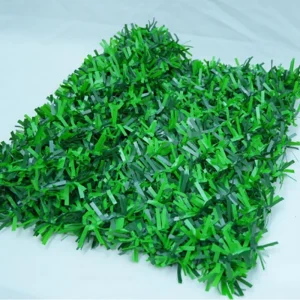
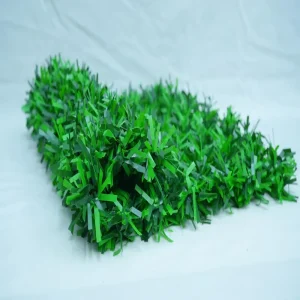
For backyard landscaping, a two-tone design is worth considering. A single-color surface can look too uniform, especially when viewed from a short distance. Two well-matched shades create more variation, which gives the grass a more natural look.
2. Brush the Grass Regularly to Keep the Blades Upright
One of the easiest ways to maintain the natural look of artificial grass is to brush it regularly. Frequent foot traffic can push the blades in different directions. Without regular brushing, high-traffic areas may develop visible paths or flattened spots.
Use a stiff brush designed for artificial grass or a suitable power brush. Brush gently against the direction in which the blades have fallen. This helps lift them back into place.
For larger areas, a mechanical brush can save time. However, make sure it is suitable for artificial grass. Avoid using too much pressure.
How often you need to brush depends on how the area is used. A residential backyard with light use may only need occasional care. Areas used frequently by children, pets, or visitors may need more attention.
You do not need to brush the entire lawn every time. In many cases, focusing on high-traffic areas is more practical.
3. Remove Leaves, Dust, and Debris Promptly
Outdoor artificial grass naturally collects fallen leaves, branches, soil, and other debris. If these materials stay on the surface for too long, they can become trapped between the grass blades. This affects the appearance and may also restrict drainage.
A soft leaf blower, plastic rake, or brush designed for artificial grass can remove loose debris. Avoid sharp or rigid metal rakes. Excessive friction may damage the grass blades or change their shape.
Pay special attention to areas around trees and along garden edges. These spots tend to collect more leaves.
Regular cleaning also makes it easier to spot local problems, such as loose seams, lifted edges, or blocked drainage areas.
4. Protect Backyard Artificial Grass from Localized Heat
For outdoor Leisure Turf, UV resistance and weather resistance are important for long-term use. However, direct sunlight is not the only possible source of excessive heat.
Glass windows, mirrors, and other reflective surfaces can concentrate sunlight on a small area. This may create localized heat that is much higher than the surrounding surface temperature.
If your backyard, balcony, rooftop, or patio is close to large glass structures, pay attention to reflected sunlight. You should also avoid placing hot objects directly on artificial grass.
5. Create a Simple and Effective Maintenance Plan
Artificial grass does not need a complicated maintenance routine. The frequency should match actual use rather than follow an unnecessarily strict schedule.
| Maintenance Task | Recommended Approach | Main Purpose |
| Remove leaves and debris | Clean regularly or whenever debris is noticed | Maintain appearance and drainage |
| Clean local stains | Treat stains as soon as possible | Prevent stains from setting |
| Brush high-traffic areas | Brush periodically | Restore the direction of the grass blades |
| Check seams | Inspect regularly | Identify lifted or separated seams early |
| Check drainage | Inspect after heavy rain | Prevent standing water |
| Move heavy objects | Reposition when necessary | Reduce long-term pressure on the grass |
| General cleaning | Clean according to actual use | Keep the overall surface clean |
What matters most is consistency. Small, regular maintenance tasks are usually more effective than leaving the lawn unattended for a long time and then carrying out a major cleanup.
Choosing the Right Artificial Grass Is the Foundation for a Natural-Looking Backyard
For backyard leisure areas, artificial grass should not be selected based on appearance alone. Buyers should also consider product specifications, maintenance needs, and the intended application.
X-Nature’s T8220 Leisure Turf, for example, is designed for leisure and landscaping applications. Its specifications suit backyard projects that require a natural appearance, everyday use, and flexibility across different outdoor settings.
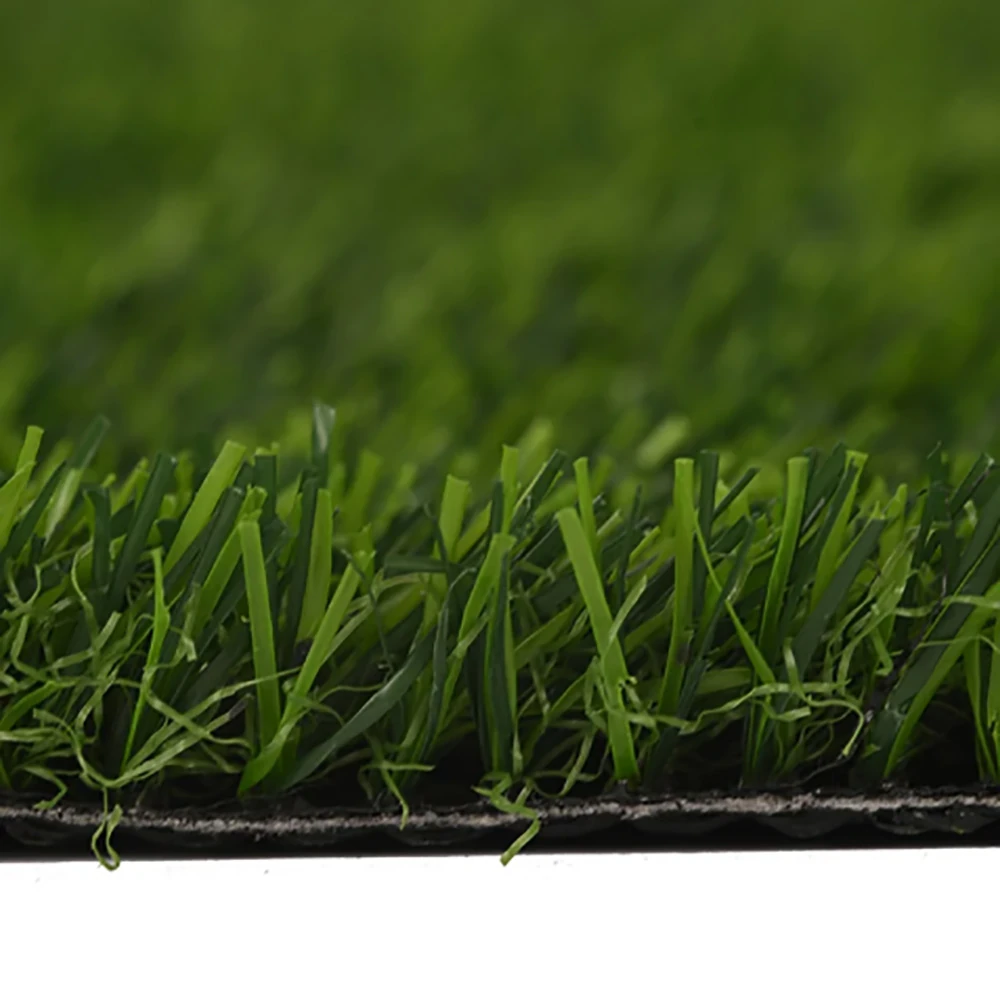
1. T8220’s Specifications Match Backyard Applications
Backyard artificial grass is commonly used for family activities, outdoor leisure, and landscaping. It therefore needs to balance appearance with everyday use rather than focus only on the heavy-duty performance expected from sports turf.
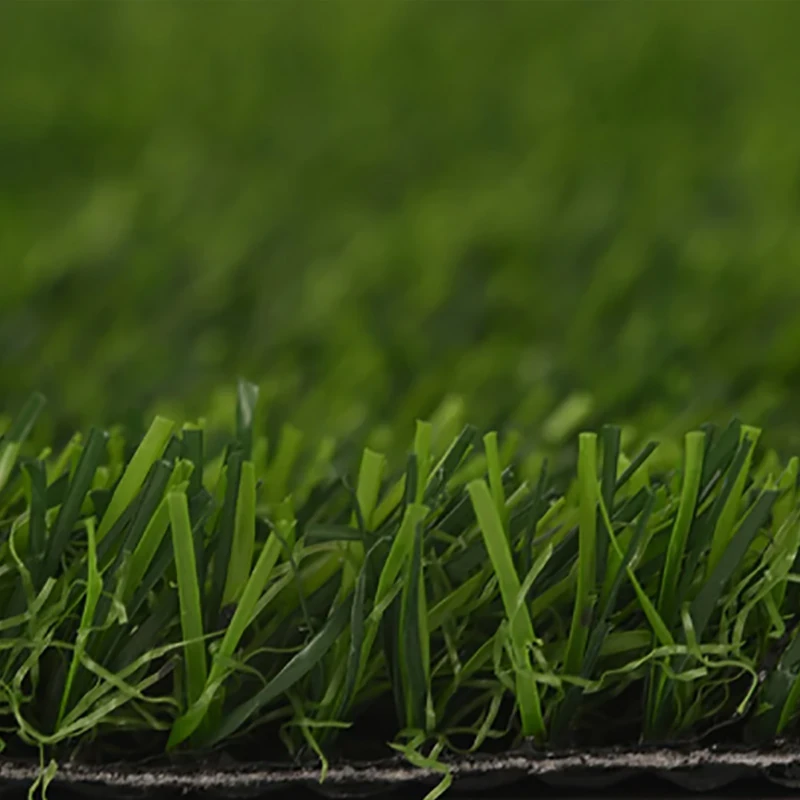
T8220 features a 20 mm pile height, PE+PP/9000D material, and a density of 17,800 stitches/㎡. These specifications make it suitable for leisure areas such as gardens, patios, and balconies.
Its 20 mm pile height and two-tone grass design help create a clean, natural-looking surface. In a residential backyard, artificial grass is more than a ground covering. It also needs to fit the surrounding garden, furniture, and building.
Natural color variation and a suitable pile height are therefore important when choosing a product. From this perspective, T8220 is well suited to leisure-focused backyard applications.
2. T8220 Supports Everyday Use and Easy Maintenance
Backyard artificial grass is usually expected to stay in place for years. Buyers should therefore consider how easy it is to maintain, not just how it looks when first installed.
Unlike natural grass, artificial grass does not require regular watering or mowing. Most routine care involves removing leaves and debris, brushing flattened blades, and keeping drainage areas clear.
This makes artificial grass a practical choice for homeowners and leisure projects that want to reduce routine lawn care.
With T8220, routine maintenance can focus on the grass blades and surface cleanliness. High-traffic areas can be brushed regularly. Furniture and other heavy objects should be moved from time to time to reduce pressure on the grass.
These simple steps can help keep the surface clean and maintain a consistent appearance.
3. T8220 Fits a Range of Backyard Applications
Backyard spaces are rarely used for just one purpose. The same area may be used for relaxation, children’s activities, pet activities, or landscaping.
For B2B buyers, application flexibility is another factor worth considering. T8220 can be used in gardens, patios, balconies, play areas, leisure spaces, and landscaping applications.
This range of uses allows T8220 to serve different residential and leisure projects. For buyers, choosing one product for several related applications may also reduce the need to select different products for each area.
Overall, T8220 offers a good balance of product specifications, maintenance requirements, and application flexibility. It can therefore be considered when buyers are looking for the best artificial turf for backyard projects.
FAQ
Q1: What Should I Know About Color Differences?
A: All products are photographed as actual products. However, colors may appear slightly different because of lighting conditions, display settings, and individual color perception.
Slight color differences may also occur between production batches. We recommend purchasing the required quantity at one time whenever possible.
During installation, lay the grass in the same direction. Different installation directions can make color differences more noticeable.
Q2: Will Artificial Grass Have a Smell When It Is First Opened?
A: Because the product is packaged soon after production, you may notice a slight plastic smell when opening the package for the first time. This is normal. The smell usually disappears within a few days after installation.
All products undergo strict quality inspections before shipment. Under normal use, they are considered safe for their intended application.
Q3: Can Artificial Grass Be Cut to Size?
A: Yes. Artificial grass may need to be cut to fit the installation area. As a result, a small amount of loose grass or debris may appear along the cut edge. This can be removed easily.
Folding and creasing may also occur during cutting or transportation. These marks usually fade after the grass is laid out and given time to recover. They do not normally affect use.
Conclusion
Keeping backyard artificial grass looking natural and attractive does not require a complicated maintenance routine. The key is to choose the right product, install it properly, and maintain it regularly. Brushing the grass, removing stains promptly, checking drainage, and inspecting seams can all help maintain its appearance over time.
X-Nature T8220 Leisure Turf is designed for gardens, backyards, balconies, patios, and other leisure landscaping applications. It features a 20 mm pile height, PE+PP/9000D grass material, and a density of 17,800 stitches/㎡, along with a two-tone grass design that creates a more natural appearance.
For projects that focus less on professional sports performance and more on landscaping, everyday use, and easy maintenance, this configuration is worth considering.
If you are evaluating Leisure Turf or outdoor artificial grass for residential, landscaping, commercial, or leisure projects, choosing the right artificial turf grass Company or artificial turf grass Manufacturer is also important. Contact Xiangjing to discuss suitable product options for your project.