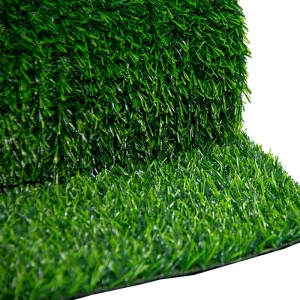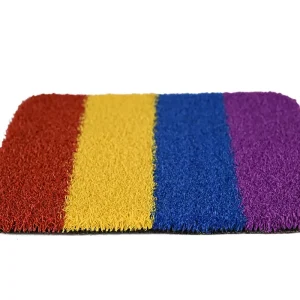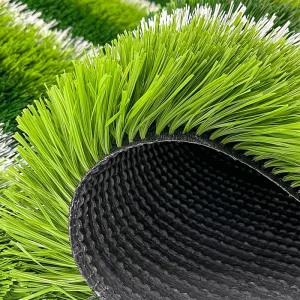
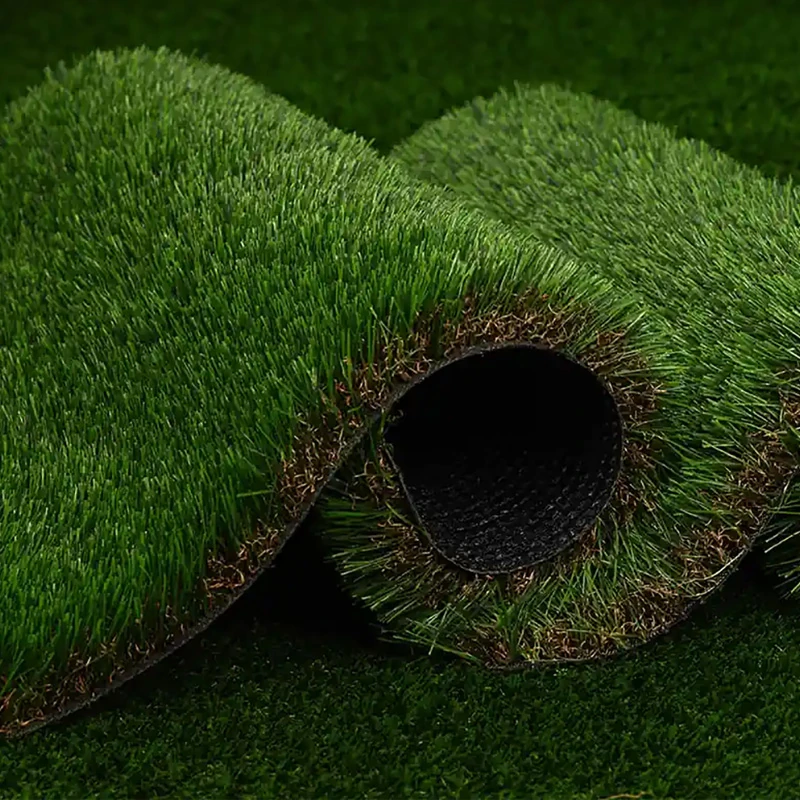
Choosing artificial turf for a landscape project is not simply a matter of selecting the tallest or thickest grass. Pile height can influence the overall appearance, texture, density, and suitability of the turf for different spaces. For landscape designers, contractors, distributors, and other B2B buyers, understanding these differences can make it easier to select a product that matches the project requirements.
Among common leisure turf options, 30mm and 40mm pile heights provide different visual and structural characteristics. A 30mm turf can offer a relatively neat and practical appearance, while a 40mm turf creates a fuller, more substantial grass profile.
This guide explains what pile height means, compares 30mm and 40mm artificial turf, and discusses how to choose the right option for different landscape and leisure applications.
What Does Artificial Turf Pile Height Mean?
Pile height refers to the height of the grass fibers measured from the backing to the top of the turf. It is one of the basic specifications to consider when selecting artificial turf, but it should not be evaluated on its own.
The overall performance and appearance of artificial turf also depend on factors such as fiber structure, density, backing, drainage design, and material. For example, two products with different pile heights may both provide a realistic appearance, but their visual fullness and underfoot feel can differ.
For B2B landscape projects, pile height should therefore be considered together with the intended application and the other technical specifications of the turf.
30mm vs. 40mm Artificial Turf: What Are the Key Differences?
The most obvious difference between 30mm and 40mm artificial turf is pile height, but the difference goes beyond a simple 10mm increase. A longer pile can change the overall visual profile and perceived fullness of the turf, while factors such as stitch density and fiber structure also influence the final appearance and feel. For buyers, comparing these characteristics together provides a more practical basis for choosing the right turf.
Grass Height and Overall Appearance
Pile height refers to the length of the grass fibers above the backing. With a 30mm pile, the grass has a relatively shorter and more compact visual profile. A 40mm pile has longer fibers, giving the surface a taller and generally fuller appearance.
This difference can be particularly noticeable in landscaping projects. 30mm turf tends to create a neat, relatively low-profile lawn effect, while 40mm turf can provide a more pronounced grass appearance. Both can be designed to achieve natural looking grass, but the final effect also depends on factors such as yarn color and fiber structure.
For buyers comparing different products, pile height should therefore be treated as one part of the overall turf design rather than the only indicator of appearance.
Fullness and Turf Density
Pile height and turf density are related to the overall appearance of artificial turf, but they describe different properties. Pile height measures how long the grass fibers are, while stitch density indicates how many stitches are incorporated into a specific area.
A 40mm turf can look fuller because its fibers extend higher from the backing, but this does not mean that every 40mm turf has a higher density than every 30mm turf. Buyers evaluating high density artificial turf should check the manufacturer’s actual stitch-density specification instead of judging density only by the height of the grass.
The combination of pile height and density can create different visual effects. A shorter, well-structured pile can produce a more controlled appearance, while a longer pile can give the surface a more substantial and lush profile. Comparing both specifications is therefore more useful than focusing on pile height alone.
Softness and Underfoot Feel
Pile height can also influence how artificial turf feels when touched or walked on. In general, longer fibers have more length to bend and move, which can give 40mm turf a softer and more cushioned visual impression. Shorter 30mm fibers tend to maintain a more compact and orderly profile.
However, pile height alone does not determine softness. Fiber material, fiber shape, density, and overall turf construction can also affect the final feel. This is why buyers should avoid assuming that a taller pile will always provide a softer surface.
When comparing 30mm and 40mm products, it is useful to consider the desired balance between grass height, visual fullness, and tactile characteristics alongside the manufacturer’s technical specifications.
When Is 30mm Artificial Turf a Better Choice?
A 30mm pile height can be a practical choice when a landscape project requires a relatively neat and moderate grass profile. Compared with 40mm turf, its shorter fibers create a more controlled appearance, making it suitable for spaces where the grass should complement the surrounding design rather than create a tall, lush visual effect.
For example, 30mm turf can work well in balconies, rooftops, courtyards, and decorative landscape areas where space is relatively limited or the turf is intended to provide a clean, finished surface. It can also be considered for exhibition halls, display windows, and other decorative settings, where the appearance of the grass needs to integrate with the overall design.
For Artificial grass for landscaping, 30mm is worth considering when a project prioritizes a balanced combination of moderate pile height, neat appearance, and practical installation requirements. The final choice should still take into account density, yarn material, backing, drainage design, and other product specifications rather than pile height alone.
When Is 40mm Artificial Turf a Better Choice?
A 40mm pile height can be a better choice when a landscape project calls for a taller and fuller grass profile. Compared with 30mm turf, the longer fibers create a more pronounced visual effect, making the surface appear more lush and substantial. This can be particularly suitable when the grass itself is intended to become a noticeable part of the landscape design.
40mm turf can be considered for gardens, courtyards, rooftops, and larger leisure areas where a fuller grass appearance is preferred. It can also work well in playgrounds and recreational spaces where a taller grass profile fits the overall setting.
The taller profile can also help create a stronger sense of depth across a larger landscape area. For designs that use artificial turf as a major visual element rather than a simple ground covering, 40mm can provide more definition and help the grass surface stand out within the surrounding space.
HBA30 and HBA40: Which Artificial Turf Fits Your Project?
The HBA series offers two leisure artificial turf options with different pile heights: HBA30 at 30mm and HBA40 at 40mm. Both products feature four-color grass yarns and are designed for landscape, leisure, and decorative applications, with different pile heights to create distinct grass profiles and visual effects.
HBA30: A Neat and Moderate Grass Profile
HBA30 uses a 30mm pile height with a density of 17,800 stitches/m². Its PE+PP/12000 yarn, four-color design, and black-green anti-aging backing with tear-resistant reinforced mesh create a relatively compact grass structure.
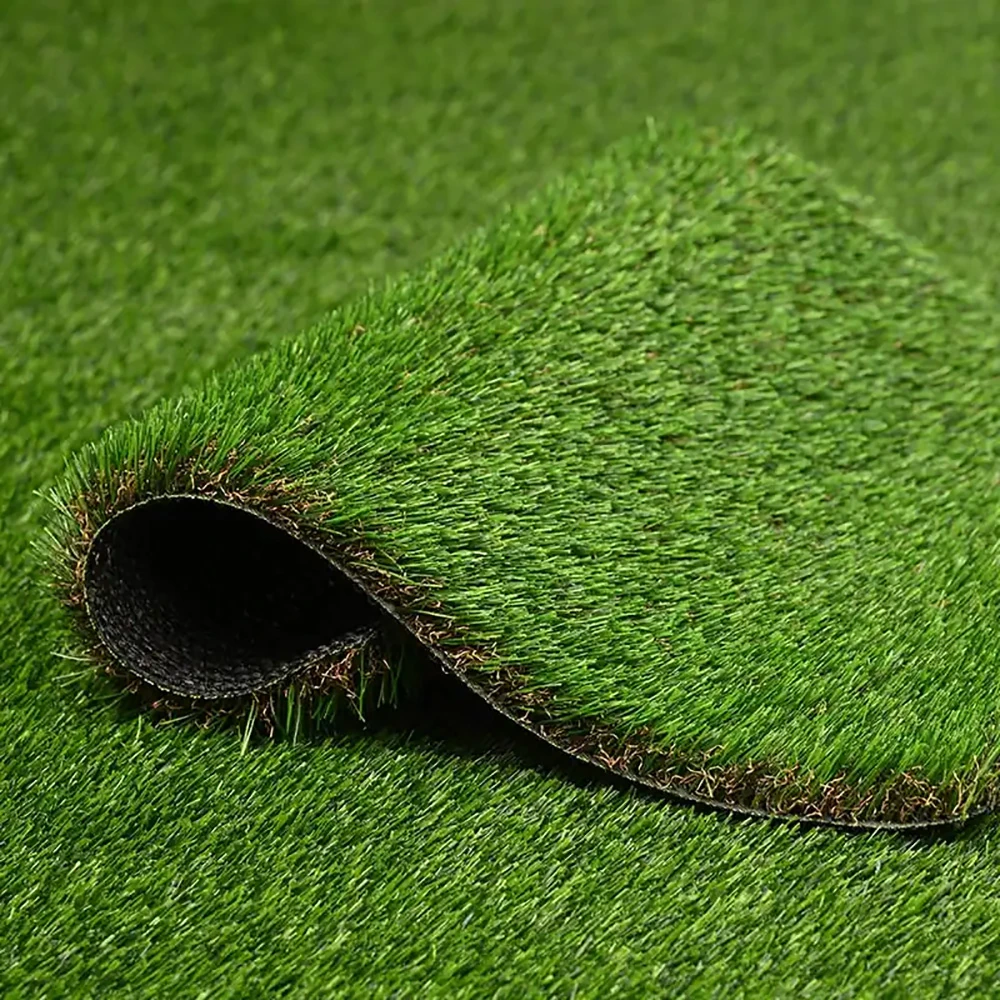
This profile can be a good match for balconies, rooftops, courtyards, and decorative landscape areas where artificial turf needs to provide a finished grass surface without creating an overly tall visual effect. It is also suitable for display windows and exhibition spaces, where the turf can be incorporated into a broader decorative design.
HBA30 has an XPU back coating and built-in drainage holes, with a specified weight of 2.59kg/m². The product is supplied in 4m × 25m rolls and is specified with UV resistance, aging resistance, flame retardancy, and air permeability.
HBA40: A Fuller Grass Profile for Larger Visual Spaces
HBA40 increases the pile height to 40mm and the density to 21,000 stitches/m². It uses four-color straight and crimped grass filaments, giving the turf a taller and fuller structure while maintaining the autumn-grass appearance.
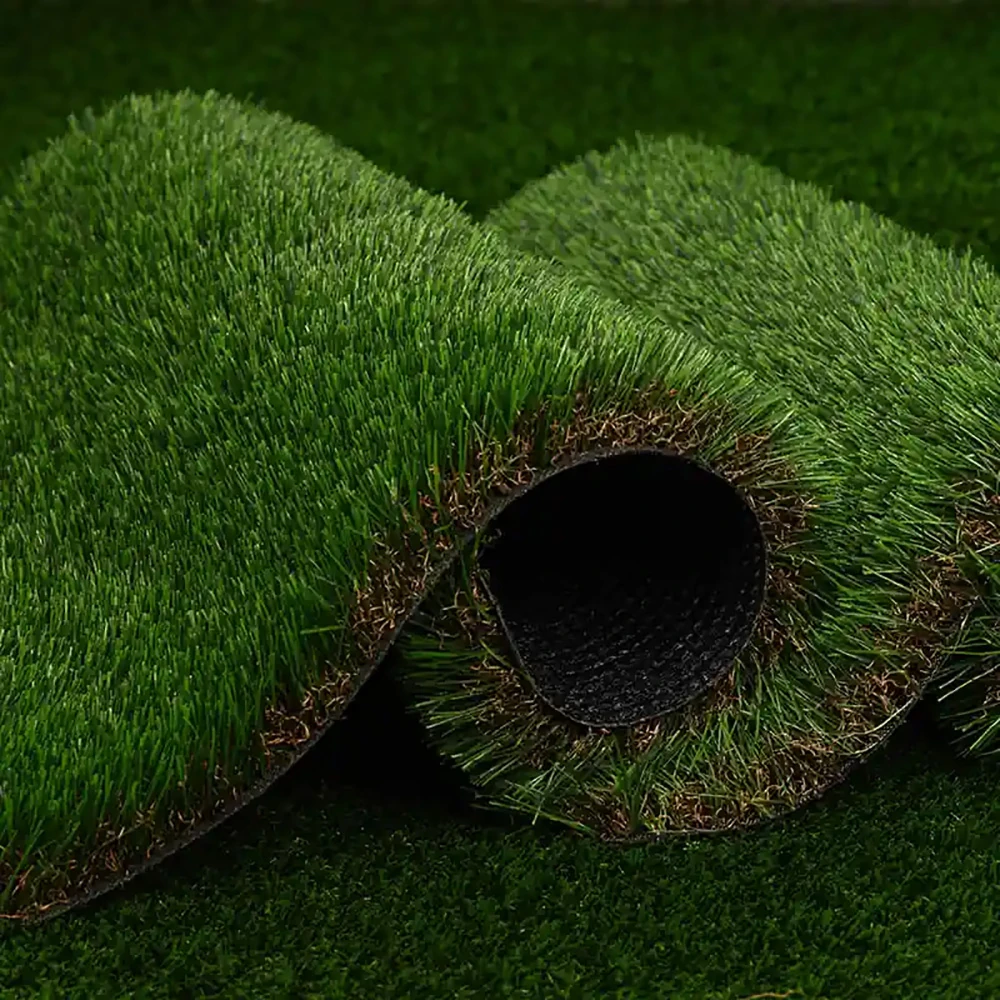
This makes HBA40 worth considering for gardens, courtyards, and larger leisure areas where the grass surface plays a more noticeable role in the overall landscape. It can also suit playgrounds and recreational spaces where a taller grass profile fits the surrounding environment better than a shorter, more controlled surface.
HBA40 uses PE+PP/13000 material, an XPU back coating, and the same black-green anti-aging base with tear-resistant reinforced mesh. Its specified weight is 2.84kg/m², and it is supplied in 4m × 25m rolls.
HBA30 vs. HBA40: Key Specifications
| Specification | HBA30 | HBA40 |
| Pile Height | 30mm | 40mm |
| Density | 17,800 stitches/m² | 21,000 stitches/m² |
| Material | PE+PP/12000 | PE+PP/13000 |
| Gauge | 3/8 inch | 3/8 inch |
| Back Coating | XPU | XPU |
| Color | Four colors | Four colors |
| Weight | 2.59kg/m² | 2.84kg/m² |
| Roll Size | 4m × 25m | 4m × 25m |
| Backing | Black-green anti-aging base + tear-resistant reinforced mesh | Black-green anti-aging base + tear-resistant reinforced mesh |
The choice between the two is mainly a matter of the desired grass profile and the visual role of the turf in the project. HBA30 offers a more moderate 30mm profile for projects that favor a neat and controlled appearance, while HBA40 provides a taller 40mm profile for projects looking for a fuller grass effect. Their shared four-color design and reinforced backing structure make both options suitable for leisure and landscape-oriented applications.
Frequently Asked Questions
Q1: Is 40mm artificial turf better than 30mm turf?
A: Not necessarily. 40mm turf provides a taller and fuller grass profile, while 30mm turf offers a shorter and more controlled appearance. The better option depends on the desired landscape effect and project requirements.
Q2: Does a higher pile height mean higher turf density?
A: No. Pile height and stitch density are different specifications. A taller turf does not automatically have a higher density, so the actual stitch-density specification should be checked when comparing products.
Q3: What should I consider when choosing between 30mm and 40mm artificial turf?
A: Consider the desired grass appearance, pile height, stitch density, yarn material, fiber structure, backing, drainage design, and the specific requirements of the installation area.
Conclusion
Choosing between 30mm and 40mm artificial turf ultimately depends on the visual effect and functional requirements of the landscape project. A 30mm pile provides a shorter, more controlled grass profile, while a 40mm pile creates a taller and fuller appearance. Neither height is universally better; the right option depends on how the turf will be used and how it should look within the finished space.
When comparing products, pile height should also be considered alongside stitch density, yarn material, fiber structure, backing, drainage design, and other technical specifications. This provides a more complete basis for evaluating the suitability of different turf products.
For projects considering landscaping artificial turf, the HBA30 and HBA40 offer two different options within the same leisure turf range. HBA30 is suited to projects that favor a moderate and neat grass profile, while HBA40 is a better option when a taller and fuller grass appearance is preferred. By matching pile height and product specifications with the project’s requirements, buyers can make a more informed artificial turf selection.