To check FIFA Quality football turf claims, match the supplier, the proposed system, and the installed field to the right evidence. Then confirm the scope, manual edition, and current status rather than relying on a logo alone.
A report can name a carpet without identifying your finished field. If you buy turf or manage a pitch project, that gap matters when you compare offers. You need to know which document answers which question before you can accept the claim.
This guide gives you a practical review sequence, blank checklists, and questions to send back when details do not match. Start with identity, follow the evidence to the field, and keep unresolved points visible.
Key takeaways
- Separate the provider’s identity from evidence about a system or a field.
- Match reports to the complete proposed construction and its references.
- Check field location, certification level, and current status.
- Read the applicable manual edition before using a test threshold.
- Keep open questions assigned to a named person until they are resolved.
Use our football artificial grass buying guide for broader selection questions. Here, the focus is the evidence behind a FIFA Quality football turf statement, not the whole purchasing process.
Preparing a document request? Send X-Nature your project location, model references and evidence questions to ask which product documents are available. Include the intended use and any target competition requirements.
What FIFA Quality football turf means
Quality and Quality Pro serve different targets
FIFA’s programme overview distinguishes FIFA Quality for community and amateur pitches from FIFA Quality Pro for professional-level performance. It also explains laboratory testing and testing of the final installation. Read these as separate stages, not interchangeable descriptions of a roll of grass.
That overview supports the broad distinction between the marks. It is not a substitute for the full, applicable test manual. Its displayed update date is September 2021, so use it for the programme explanation rather than assuming it contains every current technical requirement.
For a FIFA Quality football turf purchase, first write down the intended use. Ask the owner and relevant competition organiser which requirements apply. A higher-sounding label does not answer questions about your budget, operating plan, or the required approval route.
Treat the logo as a prompt to ask questions
For a FIFA Quality football turf offer, ask what the mark refers to. Is the supplier referring to an organisation, a tested construction, or a named field? Request the supporting reference rather than filling that gap yourself.
Keep the exact wording of the claim in your review sheet. Copying “tested” into a column headed “certified” changes its meaning. Preserve the wording first, then record what the evidence establishes and what remains unclear.
Illustrative scenario: A buyer receives a logo screenshot beside a model name. The buyer requests the full supporting file and asks which system or field the claim identifies. This fictional example shows a review step; it is not an X-Nature customer case or evidence of a false claim.
A useful FIFA Quality football turf review starts with a question small enough to answer. “Which exact field does this record cover?” is more useful than asking whether an entire catalogue is approved.
Separate the supplier, system and installed field
Identify the role behind each record
The FIFA Resource Hub provides distinct categories for licensed providers, approved systems, certified installations, and accredited test institutes. Its definitions connect approved systems to a particular manual edition and certified installations to current valid certification. Use the category that matches the claim you are checking.
Do not infer that all these categories mean the same thing. Who is the provider? Which system is proposed? Who tested it, and where is the field?
Keep each in its own column so a familiar name does not stand in for missing evidence elsewhere.
For FIFA Quality football turf records, compare the legal name in the supplied documents with the entity named in the relevant record. If trading names differ, ask the supplier to explain the connection in writing. A name difference needs clarification; by itself, it does not establish misconduct.
Use this editorial review matrix to organise your questions. It is a buyer’s working aid, not a FIFA-issued form.
| Subject | Question to ask | Avoid inferring |
|---|---|---|
| Provider | Which legal entity and role are identified? | Every item in its catalogue has the same status |
| System | Which construction and manual edition are referenced? | Any similar-looking combination is covered |
| Institute | Who issued the report and what is its scope? | An unrelated report establishes this field’s status |
| Installation | Which field and current record are identified? | A product name alone identifies the finished pitch |
Keep laboratory evidence in its proper place
A laboratory report and an installed field record concern different stages. When you review FIFA Quality football turf documents, ask the supplier to identify the connection between them. Do not supply a missing link by assumption.
Create a simple index of FIFA Quality football turf files received. For each file, record:
- A short reference and its issuer.
- The date shown on it.
- The question it answers.
Keep the complete file alongside the index so a summary does not become the only evidence available to the project team.
If you only have selected pages, request the relevant complete document through the appropriate party. Note that your review remains limited until the scope is clear. Avoid treating a cropped image as a complete view of conditions, references, or exclusions.
Verify FIFA Quality football turf documents
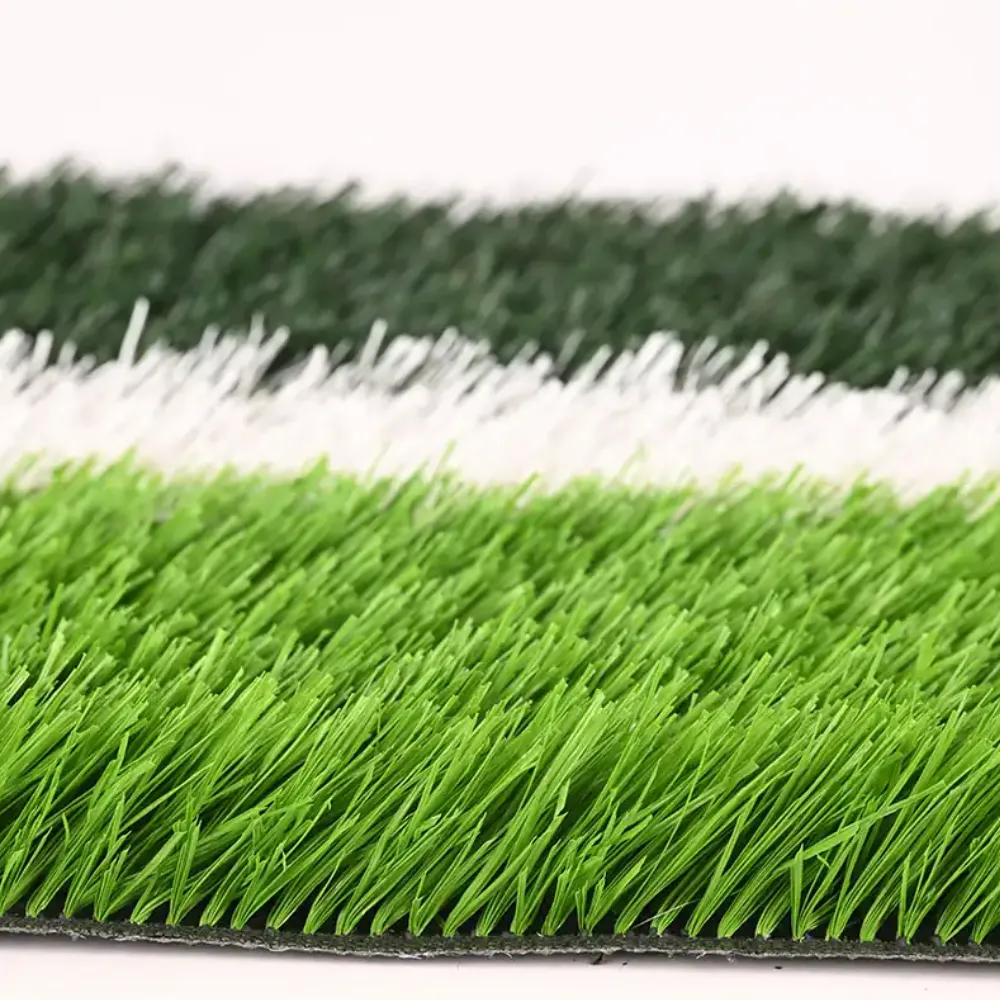
Match the system reference and components
Start your FIFA Quality football turf check with the construction in the quote. Record the carpet reference, any pad, infill specification where used, and related component schedule. Then compare those fields with the evidence the supplier says supports the offer.
For FIFA Quality football turf comparisons, use exact references rather than descriptions such as “premium grass” or “standard rubber.” Ask for clarification where codes differ or a document uses a broader family name. Keep the reply attached to the affected item.
Our football turf infill system guide helps frame component questions. In this review, the key task is to establish whether the proposed materials match the referenced evidence. A comparison article cannot approve a substitution.
Record the document title, identifier, revision, issue date, issuer, and stated scope where available. Also record the date you performed the check. That second date explains when your team saw the information, without pretending it changes the document’s validity.
Illustrative scenario: A quotation lists a different infill from the component schedule supplied with a report. The buyer records the mismatch and asks the responsible parties which evidence applies to the proposed combination. This fictional example does not assume the change is permitted or that the proposal will fail.
Match the actual field
For an existing FIFA Quality football turf installation, start with the exact field name and location. Where a site has several pitches, identify the particular pitch. A shared club name is not enough for your project file.
Compare the field identity, stated quality level, and status with the relevant official record. Save the reference and the date checked. If you cannot complete the lookup, describe that limitation rather than recording a positive or negative certification conclusion.
For a planned field, do not ask the supplier to present future certification as a completed event. Ask instead for the proposed system evidence, responsibilities, testing arrangements, and acceptance route. Keep planned actions separate from records already issued.
Resolve gaps without guessing
Use plain FIFA Quality football turf review statuses: matched, unresolved, or not applicable with a reason. Assign an owner to each unresolved question. Set a project review date so an unanswered email does not disappear into the purchasing file.
Keep the FIFA Quality football turf claim and your review conclusion in separate columns. A statement from the seller is an input to review, not your team’s verified finding. If you can’t access the database, record that limit. It doesn’t prove a record is absent.
When details conflict, ask a focused question. Quote the two references, identify the exact difference, and request the relevant explanation or updated file. Avoid broad accusations where a version error, incomplete copy, or naming difference may explain the issue.
Check the test manual edition and project requirements
Separate a new file listing from an older explanation
The official football turf document directory lists a Test Manual I entry titled April 2026, dated 30 April 2026, and a Test Manual II entry dated 28 May 2026. These listing dates identify files to investigate. They do not establish a project’s transition rules or prove that every older explanatory page describes the new requirements.
This guide does not reproduce numerical thresholds from the 2026 PDFs. For FIFA Quality football turf specifications, obtain the applicable manual and confirm its edition with the parties responsible for testing and acceptance. Keep that confirmation in the project file.
Use the cover, revision information, and relevant sections of the actual document. A webpage with a recently added download link can still contain an older explanation. Record the version of the source behind a value before copying it into a tender or comparison sheet.
Ask for an answer tied to your project
Send the test institute or relevant authority the precise question and project context. Ask which edition applies, which evidence is needed, and how any unresolved version issue should be handled. Keep their response with the requirement it addresses.
Don’t guess how long a certificate lasts or when a retest is due. Check the actual record and applicable programme conditions. If the project needs future checks, identify who confirms the timing and who arranges the work.
A FIFA Quality football turf document review also needs a clear boundary around competition use. Ask the relevant organiser for the requirements affecting your intended event. Record that answer separately from the supplier’s technical evidence so the two decisions remain traceable.
Carry evidence into installation and maintenance
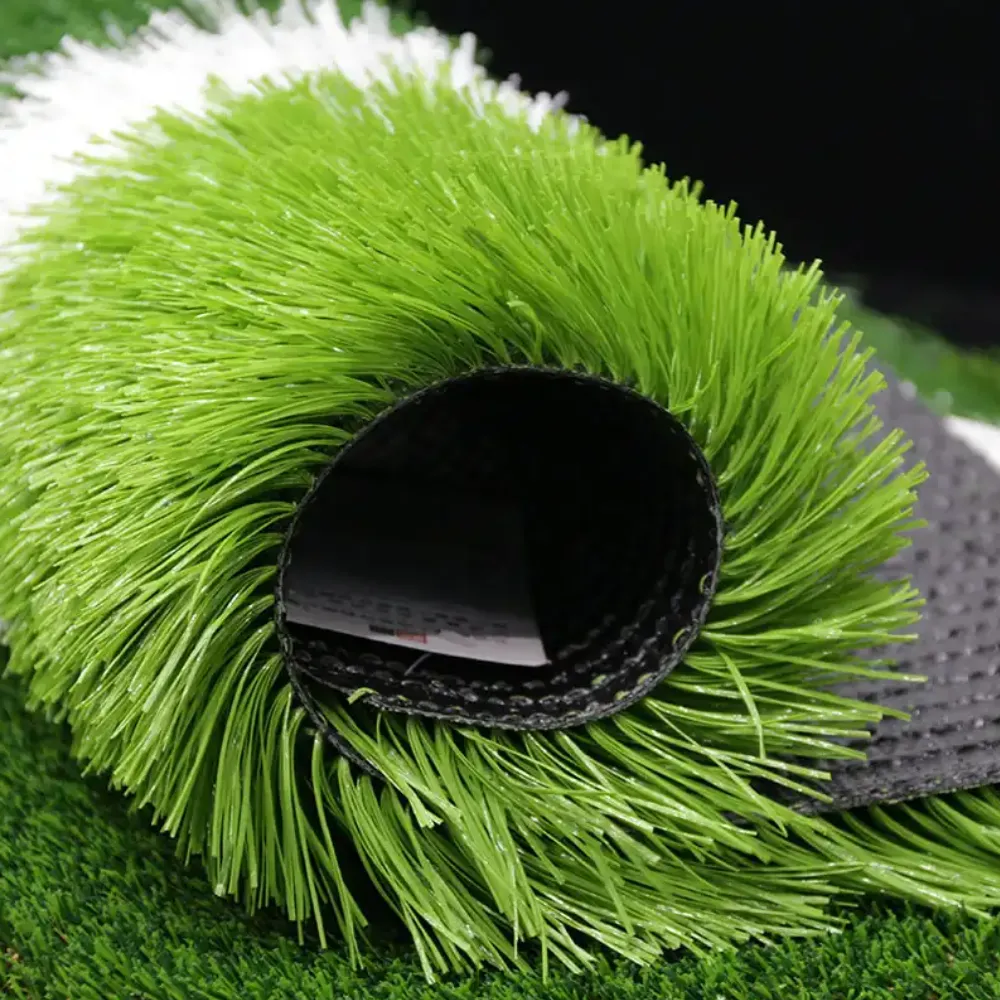
Link changes to the delivered construction
Keep the approved FIFA Quality football turf construction reference at hand during delivery. When a proposed material or method changes, record the request and the responsible person’s decision. Ask which supporting documents need to be updated before treating the change as resolved.
Use the installation checks and handover guide to organise site records. That process concerns what was delivered and accepted. The FIFA Quality football turf review concerns how those records connect with the particular evidence and status claimed.
At handover, compare the installed material register with the agreed system schedule. Record discrepancies and who will answer them. A tidy folder is easier to use when its index shows which files are final and which still await clarification.
Retain a useful operating file
Give the operator current care instructions, relevant reports, contacts, and unresolved actions. Use the football turf maintenance guide to prepare operating questions. Routine care records should not be presented as proof of current certification by themselves.
Keep FIFA Quality football turf status questions linked to the relevant official evidence. If a future review is required, name who will obtain the requirements and arrange it. Do not promise that a care routine automatically preserves a particular status.
Build a FIFA Quality football turf document request
Ask for references the team can compare
Send the same FIFA Quality football turf request fields to each bidder. Explain the intended field use and the evidence you need to review. Keep commercial discussions separate from any conclusion about FIFA Quality football turf status until the relevant documents have been checked.
| Request field | Supplier response | Buyer’s review note |
|---|---|---|
| Legal entity and role | Enter name and reference | Matched or question |
| Proposed complete system | Enter component schedule | Matched or question |
| Supporting reports | Enter issuer, identifier and scope | Matched or question |
| Applicable manual | Enter edition and basis | Matched or question |
| Existing field, if relevant | Enter exact name and location | Matched or question |
| Planned tests and decisions | Enter roles and required records | Owner and next action |
This is an editorial request template. It does not replace an official application, report, or certificate. Adapt it to the project and retain the evidence behind each response.
For questions about a proposed model, send X-Nature the model code and missing document fields. Ask which records can be supplied for review. This enquiry does not amount to a promise that a project will obtain certification.
Record the decision and its limits
Close a question only when the responsible reviewer has the answer needed for that decision. State what was checked and what remains outside the review. Keep contract acceptance separate from an official certification decision.
Illustrative scenario: Two records use a similar facility name, but the buyer cannot match the pitch location. The team leaves the identity check unresolved and requests the precise field reference. This fictional example shows a cautious conclusion without inventing a certificate number or outcome.
Finish the FIFA Quality football turf review sheet with a named reviewer, date, remaining actions, and file references. A colleague should be able to retrace the decision without relying on the original buyer’s memory.
Frequently asked questions
Is FIFA Quality Pro always the right target?
Choose the target from the intended use and relevant requirements. Ask the owner, adviser, and competition organiser what applies. Comparing labels alone leaves out the project’s operating needs and the evidence needed for its particular approval route.
Does a laboratory report certify my field?
No. The programme overview distinguishes laboratory testing from testing the final installation. Check what the report identifies, then request the appropriate evidence for the actual field. Don’t convert a product or system reference into a statement that an unverified field is certified.
Does a licensed supplier make every quoted model certified?
Do not draw that conclusion from provider identity alone. Match the quoted system and the claimed status to the relevant evidence. Keep the provider, system, and field checks separate, and ask for clarification wherever the connection is missing.
Where can I verify a field’s current status?
Start with FIFA’s Resource Hub and the exact field identity. Record the date and reference checked. If access or identification prevents a complete review, keep that limitation visible and ask the relevant party for help. An incomplete lookup is not a finding of absence.
Can I substitute infill and keep the same evidence?
Ask the responsible parties which evidence covers the proposed combination. Record the component change and its review before accepting the same reference. A similar material name does not answer whether the revised system falls within the scope of the supplied documents.
Does a certificate automatically permit every competition?
Confirm the intended competition’s requirements with its organiser. Keep that confirmation separate from your review of the field’s identity and certification record. This guide provides document questions, not a decision on eligibility for a particular event.
For FIFA Quality football turf, the useful buying question is specific: which evidence supports this proposed system or this exact field? Contact X-Nature with your location, model references and remaining document questions to discuss the product information available for your project file.