Artificial turf lifespan depends on the application: residential suppliers quote ranges such as 10–20 years, while a 2024 county report puts sports fields at about 8–10 years. Those estimates depend on conditions and use; they are not an X-Nature product guarantee.
A warranty expiry date isn’t automatically a replacement date. A lawn can still serve its purpose after coverage ends, while a damaged field may need attention much earlier. That distinction matters when you’re planning a purchase or deciding what to do with an aging surface.
You need more than the largest number in a brochure. This guide explains how to judge artificial turf lifespan through material condition, installation quality, upkeep, and the demands of your site. It also separates residential supplier estimates from sports-field evidence, so you can compare like with like.
Start with the intended use, then examine wear and the documents supplied with the product. You’ll learn which signs call for cleaning or repair, when replacement deserves consideration, and what to include in your next quotation.
Key takeaways
- Residential supplier estimates and sports-field estimates cover different conditions and should stay separate.
- Artificial turf lifespan and warranty duration answer different questions; coverage depends on the written terms.
- Inspect fibers, seams, backing, and drainage before deciding whether the whole surface needs replacement.
- Follow the installed system’s care instructions; aggressive brushing or unsuitable infill can cause damage.
Artificial turf lifespan by application
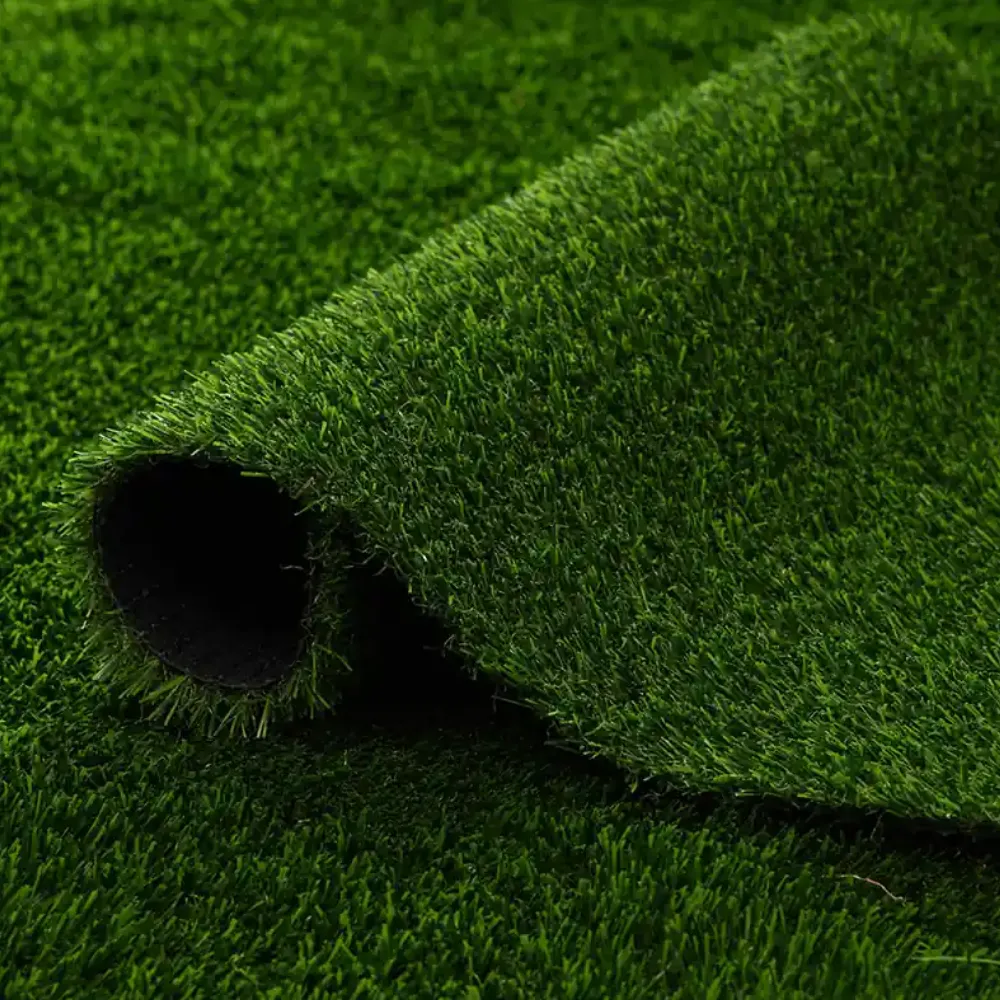
Artificial turf lifespan varies even between lawns made from the same product. Useful life ends when the surface can no longer meet its intended requirements, which may concern appearance, function, or sports performance.
For residential use, supplier Complete Synthetic Turf gives a 10–20-year range and discusses the role of care. Treat this as that supplier’s estimate, rather than a measured average for every lawn. Before choosing a product, explore X-Nature’s landscape artificial grass options to identify the relevant application.
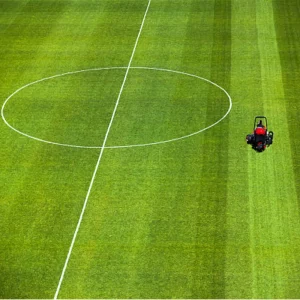
For sports facilities, Montgomery County’s 2024 athletic-fields report describes a typical eight-to-ten-year lifespan, affected by climate, maintenance, and use. The statement appears on printed page 12. It concerns athletic fields, whose wear and performance requirements differ from a lightly used garden.
| Application | What the evidence supports | How to use it |
|---|---|---|
| Residential lawns | A supplier example of 10–20 years, subject to conditions | Ask for evidence relevant to your intended use and climate. |
| Sports fields | About 8–10 years in the 2024 county report | Plan inspections, performance checks, and replacement funding. |
| Heavy pet use or commercial walkways | No separate universal interval established here | Assess concentrated wear and the proposed system individually. |
An artificial turf lifespan estimate should also state what needs replacing. Worn carpet does not prove that every base layer has failed. Equally, green fibers do not prove that drainage or playing performance remains acceptable.
What changes artificial turf lifespan?
Sunlight, heat, and concentrated traffic
Sunlight, repeated foot traffic, and misuse can shorten service life. Sunlight includes ultraviolet (UV) rays. Ask how the chosen system handles the conditions at your site.
Ask for relevant test reports and records from similar sites. A label such as “UV-resistant” does not prove how many years the turf will last.
Wear is rarely even across the whole area. Gates, favorite pet routes, and sports goalmouths deserve closer inspection than quiet corners. Move training drills between areas when you can, to reduce repeated wear in one place.
Heat damage also needs separate investigation. A small melted area near reflected sunlight or a heat source is different from widespread aging. Identify the cause before patching or replacing turf, or the same damage may recur.
Fibers, backing, and the supporting base
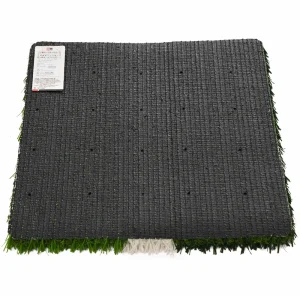
The backing holds the tufts, or bundles of fibers, in place. Tuft lock describes how firmly those fibers are retained. Ask how tuft lock was tested and what the results show. A coating name alone does not guarantee artificial turf lifespan.
Pile height describes blade length, not expected years of service. X-Nature’s HBA30 and HBA40 specification comparison covers nominal 30mm and 40mm models. Those figures help you compare products. They do not prove that taller grass lasts longer.
A sound base supports artificial turf lifespan. Sinking ground, poor levels, or blocked drains can spoil the surface even when the carpet is intact. Investigate persistent pooling instead of buying a new roll before finding the cause.
Fictional planning example: Alex compares two quotes for a 60m² garden. One lists an eight-year warranty, while their household budget assumes ten years of use. Rather than treating those periods as interchangeable, Alex requests the full policy, care instructions, and evidence from comparable sites. The result is a clearer comparison of responsibilities and assumptions, without pretending the sample proves an extra two years of artificial turf lifespan.
Warranty length and useful life are different
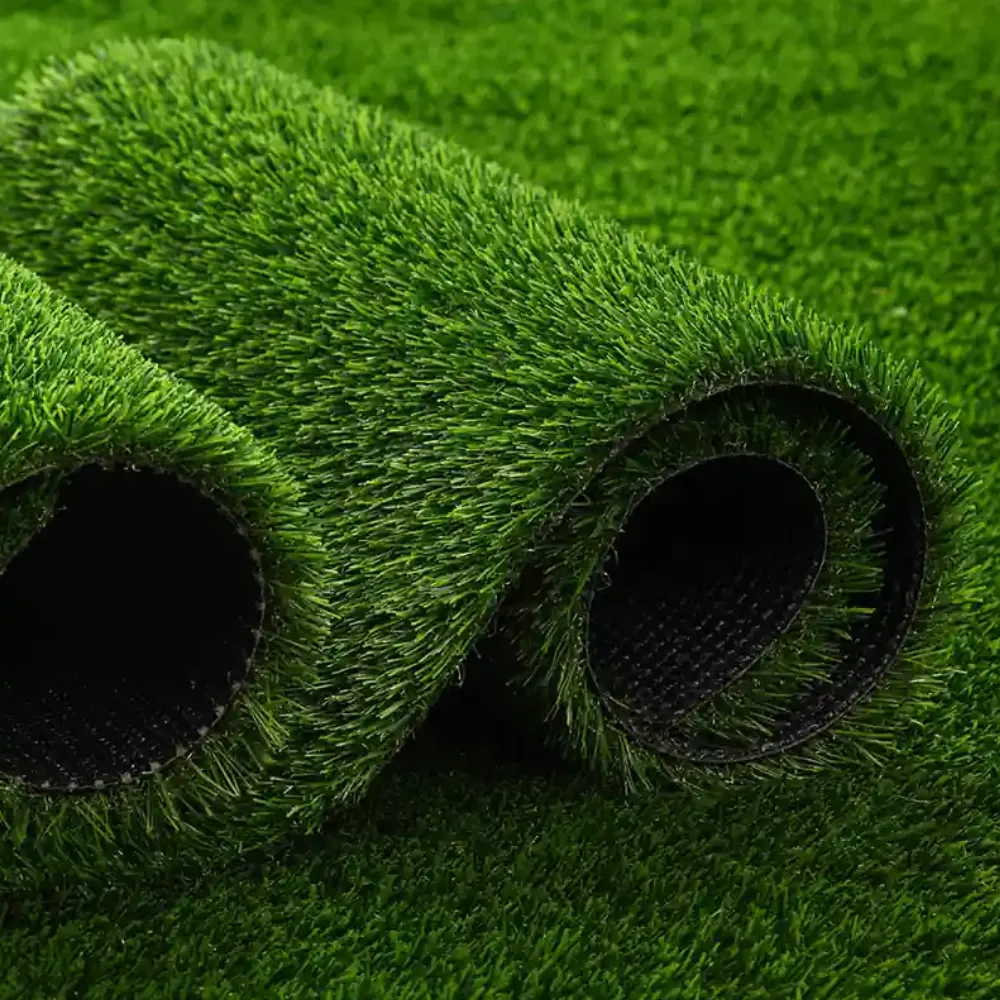
An artificial turf warranty sets out what the supplier must do for covered faults under stated terms. Artificial turf lifespan means how long the installed surface remains useful. One figure does not fix the other.
Read the full policy before ordering. A warranty might address manufacturing defects or specified UV degradation while treating ordinary wear differently. The terms may cover the carpet differently from the fitting work, glue, infill, or drains.
A useful document review answers six questions:
- What is covered? Identify the exact model, application, and defect definitions.
- What conditions apply? Check location, permitted use, installation, and care requirements.
- How is a claim assessed? Ask which records, photographs, or inspections are needed.
- Does compensation reduce over time? Prorated coverage may offer less as the product ages.
- Which costs are included? Clarify labor, removal, freight, replacement materials, and reinstallation.
- Who is responsible? Separate the manufacturer’s duties from the installer’s obligations.
Keep the original quotation, invoice, product identification, and installation handover. If the supplier promises a set service period, ask them to put the conditions and remedy in writing.
For a business purchase, place the intended activities and maintenance responsibilities in the specification. This helps prevent a broad artificial turf lifespan claim from becoming an unspoken budget assumption. It also gives future staff a record of what the project was designed to do.
How to maintain turf without causing extra wear
Care affects artificial turf lifespan, but extra effort isn’t always better. The Synthetic Turf Council’s maintenance guidelines, January 2013 revision, discuss brushing, infill, inspections, and record keeping. They offer guidance for infilled sports systems alongside the field builder’s instructions. They are not a mandatory standard.
That scope matters. Don’t use sports-field machine settings or infill advice on a garden without approval. An infill-free system also needs its own care instructions. Don’t add infill unless the supplier calls for it.
Match the routine to the installed system
Remove leaves and rubbish before they build up. Pick up pet waste promptly and use the supplier’s approved cleaning method where needed. Avoid unapproved solvents or harsh cleaning methods on the turf.
Use approved brushes with synthetic bristles to lift flat fibers and spread infill where needed. The STC guide warns against metal bristles, overly low brush settings, and excessive brushing. Ask for an appropriate frequency based on use, instead of treating a weekly schedule as universal.
Where the system requires infill, check the specified depth and material. Bare high-use areas and displaced infill need assessment; simply adding an unknown material can change performance. Check seams, edges, and drainage outlets during the same inspection.
For artificial turf lifespan planning, a dated care log is more useful than memory. Record the work, products used, damage observed, and follow-up action. Take photographs from repeatable positions to make changes easier to compare.
Repair or replace? Read the signs
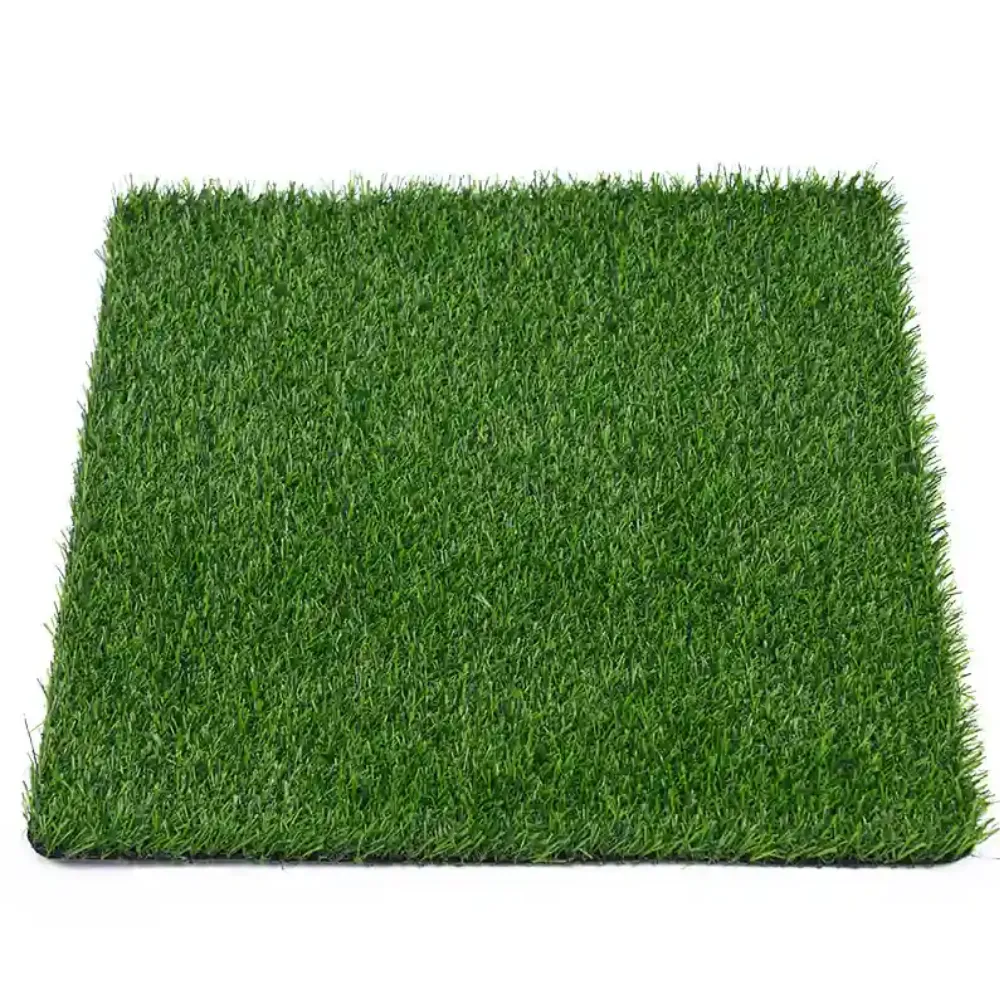
Age helps frame artificial turf lifespan, but condition should drive the next step. You can’t judge artificial turf lifespan from color alone. A dull area may need cleaning, while a bright green surface may still have an open seam or a failed supporting layer.
Start with the location and extent of the problem. Compare busy and quiet areas, check the edges, and note if the problem follows rain or a certain activity. Keep people off any area that may be unsafe while you arrange an inspection.
| What you notice | What to check | Possible next step |
|---|---|---|
| Flattened fibers | Dirt, infill condition, and whether approved grooming restores the pile | Service the area first if the fibers remain intact. |
| A local tear or open seam | Carpet integrity, joint construction, and the cause of movement | Ask whether a suitable repair can restore the area. |
| Persistent pooling | Outlets, contamination, base levels, and settlement | Diagnose drainage or base problems before replacing carpet. |
| Widespread fiber breakage or backing deterioration | Extent of damage and remaining functional performance | Obtain a professional replacement assessment. |
A patch may look different from the surrounding aged turf. Discuss how the patch will look, whether materials match, and the repair limits before you approve the work. A local repair can’t fix widespread fiber damage, and brushing can’t join broken fibers.
Fictional inspection example: Jordan manages a community field in its seventh year. After rain, they spot a lifted seam near one entrance and mark the affected area out of use. They request a joint and base inspection instead of assuming the entire field has reached retirement. Their next decision depends on the findings and required performance checks; this example claims no completed repair or additional service years.
For sport, arrange the tests needed to check how the field performs. The STC guide recommends tracking performance throughout use. Artificial turf lifespan for sport involves meeting playing requirements, not merely maintaining a green appearance.
Plan the replacement budget and handover
Base your replacement budget on the installed system and the local work needed. An artificial turf lifespan budget must cover more than new carpet. Site access, removal methods, base repairs, and waste handling can change the amount of work.
Request an itemized quotation covering:
- Removal of the old carpet and management of existing infill.
- Inspection of the base, drainage, and any underlay proposed for retention.
- Necessary repairs, replacement components, and installation labor.
- Transport, local waste charges, and the proposed receiving facility.
- Closure time, final inspections, and the documents provided at handover.
Do not assume every existing component can be reused. Ask the contractor to explain how they will assess each retained layer and who accepts responsibility for it. A recycling claim also needs a real site that accepts the old materials in their current condition.
Use a shorter and longer service-life assumption to test your budget, clearly labeling both as scenarios. Include care and repairs in each scenario. This shows how uncertain artificial turf lifespan affects your plan. It keeps a forecast separate from a guarantee.
At handover, keep the model details, base information, care manual, warranty, and any agreed test results together. Give the maintenance team the records and contact details they need. The next inspection should build on a documented starting point rather than an undated photograph.
Artificial turf lifespan questions
How long does artificial turf last?
It depends on its use and condition. The residential supplier example cited above gives 10–20 years; the county report describes about 8–10 years for sports fields. Neither establishes a guaranteed artificial turf lifespan for your project.
How long does artificial grass last with pets?
There is no single pet-use interval established by the evidence reviewed here. Concentrated traffic and cleaning needs make the installed system and care routine relevant. Ask for a product recommendation suited to your animals, use pattern, and drainage conditions.
What is the life expectancy of a turf field?
The 2024 Montgomery County report gives a typical eight-to-ten-year estimate for synthetic athletic fields. Climate, use, and maintenance affect that estimate. Keep inspections and required performance checks separate from the age-based replacement budget.
Does artificial turf fade over time?
It can, depending on exposure and the product. Ask what UV test evidence and coverage apply to the selected model. Fading alone does not establish the remaining artificial turf lifespan; inspect fiber integrity, backing, and function too.
Can I extend artificial grass lifespan by brushing more?
More brushing does not necessarily help. Appropriate grooming can support the surface, but the STC guide warns that excessive brushing can damage fibers. Follow the supplier’s approved tools and frequency, and investigate persistent matting rather than repeatedly increasing brush pressure.
How often should you replace artificial turf?
Replace it when assessment shows it cannot meet its intended requirements through suitable care or repair. A calendar interval helps with budgeting, but it cannot diagnose a particular surface. Investigate damage and performance before deciding the whole installation needs removal.
Choose your next step
Start with three records: the product specification, the full warranty, and the care history. They show what was supplied, which terms apply, and how the surface has been used. Add an inspection that covers fibers, seams, backing, and the supporting base.
If the problem is local, ask whether repair is suitable and what limitations remain. If damage is widespread, request a replacement scope that addresses its cause. For a sports field, include the required performance assessment, because appearance alone cannot settle the decision.
For a new project, bring the intended use, area, location, and maintenance plan into the discussion before choosing a model. Ask for the documents needed to compare proposals and keep the assumptions visible in your budget.
Contact X-Nature about your project requirements with those details and any photographs of an existing surface. Use that discussion to request applicable specifications and commercial terms, so your artificial turf lifespan plan rests on the proposed system and its actual conditions.