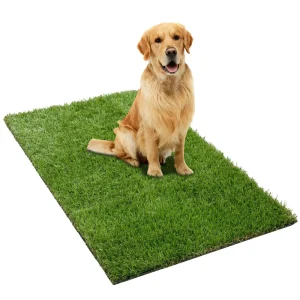
Artificial grass can get hot in direct sunlight. To plan for artificial grass heat, check the surface at the times people or pets will use it, map the shade and ask for test evidence tied to the model you are considering.
A yard that feels comfortable at breakfast may be in full sun when children come home. The strip near a window can also face different conditions from the center of the lawn. Use the guide below to map those differences and decide what information you need before choosing turf.
Key takeaways
- Record surface conditions separately from the weather forecast.
- Check shade at the hours the space is used.
- Look for reflected sunlight and nearby sources of localized heat.
- Ask for model-specific evidence behind any temperature claim.
- Set out an alternate area and share the plan with everyone who uses the space.
If you are comparing landscape options, send the proposed model and describe where artificial grass heat is a concern. Ask X-Nature which product documents are available.
What affects artificial grass heat in direct sun?
Separate the temperature of the surface from the air
The weather forecast reports conditions in the air. The temperature of the grass surface is a separate measurement. A surface in direct sun can be warmer than the air above it, so use the forecast to plan when to look at the site and record surface observations separately.
Penn State’s Center for Sports Surface Research discusses this distinction using measurements from synthetic sports surfaces. The examples help explain why exposure and system construction matter. For a landscape purchase, use evidence from the proposed product and site conditions when assessing artificial grass heat. Penn State research on temperature and color.
Describe the conditions behind an observation
Record the time, location, sun or shade, wind and whether the surface was wet. If you are comparing measured artificial grass heat, note the instrument and how it was used. A single reading describes one point under the conditions at that time.
Compare like with like. If two samples were checked at different times or one was shaded, record that difference before drawing a conclusion. Keep the original notes with any photos so another person can see what the comparison covers.
When recording artificial grass heat, use location names the rest of the team will recognize. A note that says “gate path beside the wall” is easier to find later than “spot two.” Put the same name on the plan and in the notes.
Map sun and shade around the way you use the yard
Start with the hours that matter
List the activities you want the area to support. Mark where people sit, where children play and which route pets take to get outside. Then note the hours when each part of the yard is likely to be used.
Draw the shade on a simple plan during those hours. Include the path to the seating area or gate. For an artificial grass heat review, pay particular attention to places where someone may stand, sit or walk in direct sun.
Illustrative scenario
A family observes shade over the play area during a morning visit. On a later visit at their usual play time, the area is in direct sun. They add an alternate play location to the plan and ask about the available product documents before choosing turf.
Plan for changes in shade
Record what casts the shade. A building, tree or movable umbrella can cover different parts of the yard at different times. If the layout depends on shade, check the places that matter most on more than one visit.
For artificial grass heat planning, identify where people or pets can go when a surface becomes hot. Share that alternate location with anyone who looks after the space. For help putting exposure alongside other product and layout questions, see the landscape grass buying guide.
If the shade plan relies on an item people move, include where it is normally set up and who puts it away. Walk through the alternate route with the person who uses it. That check helps you spot a route that looks open on paper but is blocked by furniture during normal use.
Look for reflected sunlight and local heat sources
Check areas beside glass and reflective surfaces
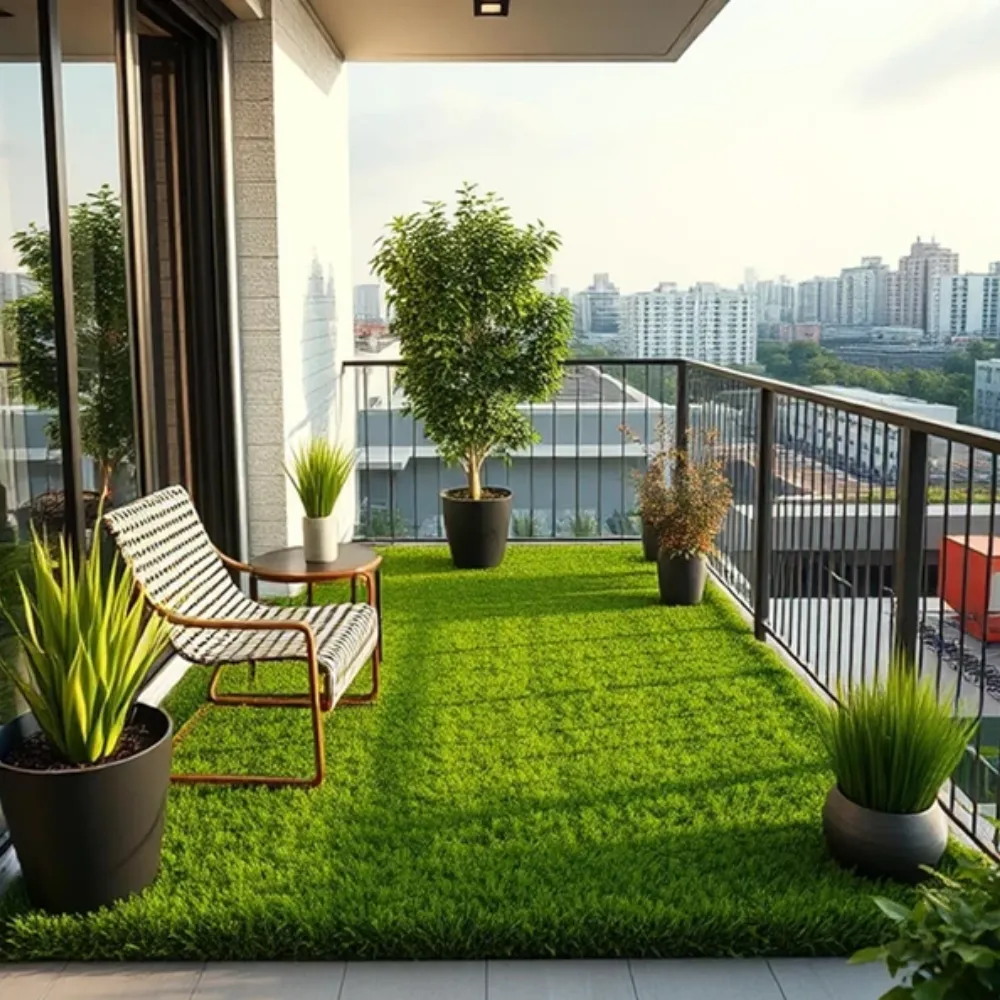
Watch for a bright patch that moves across the proposed surface during the day. Note windows, mirrors and reflective panels near the lawn. Record the location and time when the patch is visible so the installer or building team can assess it.
SYNLawn Australia’s installation guidance identifies concentrated reflection as a possible source of localized turf damage. Its instructions apply to its products and installations. Use the example to frame artificial grass heat questions about your own windows, boundaries and proposed turf.
Record the affected spot and get it reviewed
Illustrative scenario
A buyer sees a bright patch near a glass door in the late afternoon. They mark it on the site plan and take photographs from the same place on another visit. The installer receives the marked plan along with the proposed layout.
Also note where people plan to use equipment that gives off heat. Have the project team review those locations against the product instructions. If a patch of grass has already changed shape or appearance, record what you saw and when it appeared.
A photo can help show where an issue is concentrated. Ask the installer or supplier which details would help them review the affected area. Keep those observations alongside the model code and any care records rather than assigning a cause from appearance alone.
Read artificial grass heat claims against the test report
Distinguish the questions the tests answer
A UV aging test can describe a specimen’s response to the exposure specified in that test. A material heat resistance test can describe how a sample behaves under its stated conditions. A surface temperature test asks how warm the tested surface became under a particular setup.
When reviewing an artificial grass heat claim, ask which of those questions the document answers. Check the property measured, the units and the conditions. Claims about how a surface will feel or be used require their own evidence and site judgment.
| Claim on a product sheet | Document or detail to request |
|---|---|
| UV resistance | Aging method, tested specimen and property assessed |
| Heat resistance | Exposure conditions, duration and measured change |
| Cooler surface | Surface readings, reference surface and test conditions |
| Care after exposure | Instructions for the actual model and installation |
Ask what was tested and compared
When comparing artificial grass heat figures, ask for the exact model and the layers used in the test. Check whether the result applies to turf alone or to an assembly with backing, infill or other layers. If you are offered a different version, ask the supplier to explain whether the report applies.
For a cooler-surface claim about artificial grass heat, identify the reference surface and how it was measured. Ask whether the samples were exposed at the same time and under the same conditions. Record the time, sun, wind and moisture conditions if the report provides them.
Use the report to establish what was observed. For example, a set of readings taken during a short comparison gives you information about that test period. Ask for further evidence if the claim you need to assess concerns a longer period or a different site.
If the supplier sends a chart about artificial grass heat without the test setup, ask for the page that describes how the readings were taken. A chart can make a gap look precise while leaving the comparison hard to interpret. Write down what is missing so the buyer can follow up.
Keep each model’s records together
If you are comparing artificial grass heat across several options, make one file for each model. Put the sample reference, product sheet and any temperature report together. Add a short note explaining which claims you could check and which questions remain open.
You can use the product range to build a shortlist and then ask for the relevant files. Keep availability and suitability as separate questions in the purchase record. Browse the X-Nature landscape grass range.
Turn your observations into a summer use plan
Give each area an alternate use or route
List who uses each part of the yard and when. Note where they can move if the usual surface gets hot. A seating area can have a shaded alternative, and an outdoor activity can be moved to a different place or time.
For pets, the American Veterinary Medical Association advises avoiding hot surfaces that can burn paws. Include the gate and route across paving when you review where dogs will go on hot days.
A pet area also needs a route for rinse water and a care routine people can carry out. Keep those questions with the heat plan so a change in location can be reviewed as a whole. Artificial grass for dogs drainage and care guide.
Record who checks and acts
Use an artificial grass heat record to bring the observations together. Each row can cover one area at one time. Write down what was observed, who will review it and which alternate area is available while a question is open.
| Place and time | Surface and conditions | Action or open question | Person responsible |
|---|---|---|---|
| To record | Sun, shade, wind and moisture | To review | To assign |
| To record | Any reading and its method | To review | To assign |
| To record | Reflected light or visible change | To review | To assign |
Illustrative scenario
A shared courtyard has one sunny route to the gate and a shaded route on the other side. The person in charge records both and includes them in the handover. The caretaker can then point users to the alternate route when the first one gets hot.
Bring a clear evidence request to your supplier
Include the site details with the model
When you ask about artificial grass heat, send the model code, intended use and the times when the surface is likely to be used. Include your site sketch and photographs of any area that receives direct or reflected sun. Ask which product sheets, test reports and care instructions are available.
Keep the inquiry focused on the decision you need to make. If you want to compare two options, ask for comparable measurements and the reference used in each report. If you want to understand a warranty term, request the written terms for the exact product and installation.
For a model on your shortlist, share the proposed layout and the document you want to review. Request landscape product information from X-Nature.
Keep the final plan where operators can find it
Save the accepted product details and the site use plan together. The person looking after the lawn should know where the alternate route is and whom to contact if a localized change appears. Add new observations when the layout, shade or pattern of use changes.
An artificial grass heat review works best when it becomes part of the regular care record. Keep the date, location and any photos alongside notes about cleaning, edges or repairs. Landscape grass maintenance guide.
When the team reviews the artificial grass heat plan, ask them to point out the parts they can check and the decisions they still need help with. Add a contact beside each open item. If the site changes, record the new condition and review the relevant part of the plan.
Frequently asked questions
Does artificial grass get hot on a sunny day?
It can. Check the surface separately from the air temperature and record the conditions when you observe or measure it. For artificial grass heat decisions, focus on the parts of the yard and times of day that matter to the people using it.
Does a UV resistance claim mean the grass stays cool?
Ask what property was measured. A UV aging result describes the test’s stated material response, while a claim about surface temperature needs temperature measurements and their conditions. Request the documents separately if both matter to the purchase.
Can rinsing cool the surface?
Surface readings can change after wetting, and the effect depends on conditions and the system. Check the applicable care instructions and the water route before planning a rinse. Use shade, timing and an alternate area in the artificial grass heat plan rather than relying on a lasting change from rinsing.
How do I compare two cooler turf claims?
Ask both suppliers for the tested model, system, comparison surface and measurement conditions. Record the reported readings alongside the time, exposure and moisture details. If key details differ or are missing, note what still needs confirmation.
What should I do if one patch changes shape?
Photograph the area and record when you first noticed the change. Note nearby glazing, objects and other site conditions. Send the model and location to the supplier or installer and ask what information they need to assess it.
Plan artificial grass heat around actual hours of use, the available shade and the documents for the model. Send your intended use, site notes and remaining questions when you are ready to compare products. Contact X-Nature about landscape turf options and available documentation.