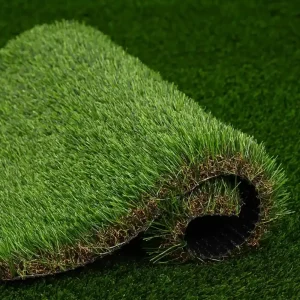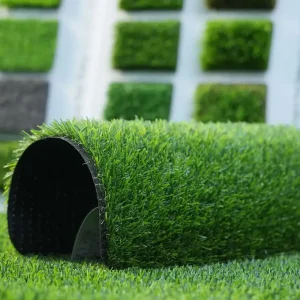
Artificial grass for dogs can suit a yard or dog run when the surface, drainage route, care plan and heat exposure fit the way dogs use the space. Check those four things together before ordering the turf or committing to a layout.
A patch beside the back door may get more use than the rest of the yard. Think through what happens there after a wet morning, a busy afternoon or a cleanup. This guide helps you compare options and turn those observations into questions for the supplier and installer.
Key takeaways
- Map play areas and spots dogs use repeatedly for toileting.
- Trace rinse water from the surface to its intended destination.
- Ask for the quoted model’s construction, test scope and care instructions.
- Plan shade and an alternate area for times when surfaces get hot.
- Assign pickup, cleaning and inspection to someone before handover.
When asking about artificial grass for dogs, share the intended use, surface beneath the turf and any model you are considering. Ask X-Nature for available landscape product information.
Choose artificial grass for dogs by the way the space is used
Separate play areas from high use toilet spots
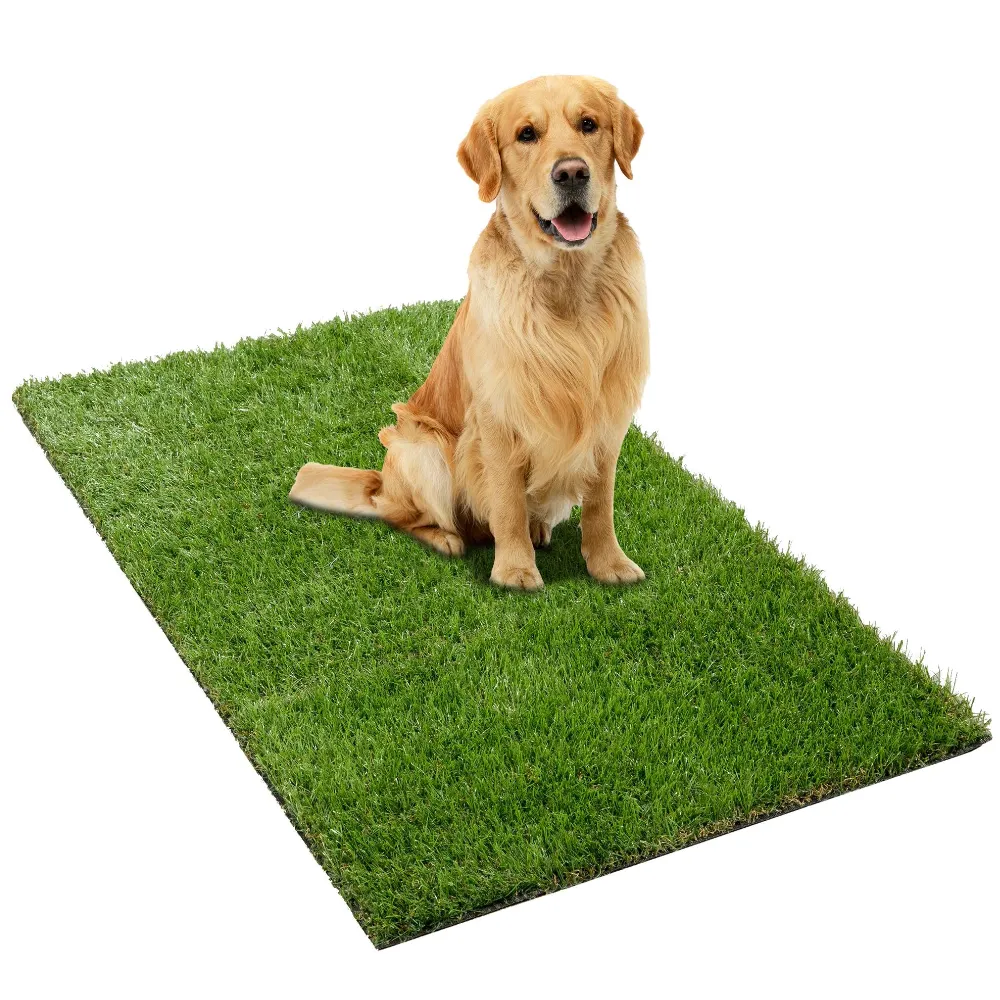
Mark where dogs enter, play, rest and tend to relieve themselves. A lawn used for occasional play poses different care questions from a narrow run that receives repeated use in the same spots. Note who uses the space and who will look after it.
Use that sketch to decide what you need from artificial grass for dogs. For a shared lawn, you may want clear access for pickup around furniture and planting. For a dog run, check whether the person cleaning can reach the full length of the area without moving obstacles.
Write down the uses that matter most before comparing samples. A buyer can then ask suppliers to respond to the same project rather than judging every sample by appearance alone. For general selection questions such as coverage and sample comparison, see the landscape buying guide.
If more than one dog uses the space, note whether they tend to use the same route or spread out. Ask whoever does the cleaning to mark the hard to reach spots. Those notes can help you decide whether to move a gate or leave a wider path for the person carrying tools.
Decide between fixed turf and a removable setup
When comparing artificial grass for dogs on soil or a paved area, identify how the system would sit on that surface and how it would be cleaned. A fixed installation needs a site plan. A removable pad or tray needs a practical way to lift, empty, wash and dry its parts according to the product instructions.
Illustrative scenario: A tenant has a small paved space and considers a removable tray. They check where it can be emptied and how its parts can be washed before choosing a pad. They also ask the property manager what arrangements apply to that space.
| Space | First question to resolve |
|---|---|
| Shared yard | Which spots need the most frequent attention? |
| Fixed dog run | Can the operator reach the full surface and its edges? |
| Hard surface | Where does water go after it leaves the turf? |
| Removable tray | Where will the operator empty and wash the tray? |
Trace where rinse water goes
Follow the full route
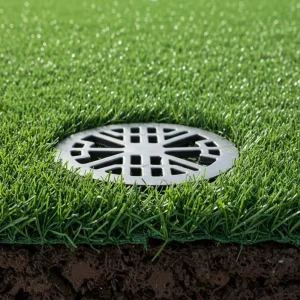
For a fixed installation, sketch the route you expect rinse water to take. Start at the surface, then note the backing, the layer beneath it and the final collection or discharge point. Some details may need confirmation by the installer or whoever is responsible for site drainage.
A sample of artificial grass for dogs may allow water through its backing during a demonstration. Ask what happens after water reaches the next layer in your proposed setup. Record how the receiving surface and outlet fit together before choosing materials.
When planning artificial grass for dogs over paving, ask what happens at the perimeter and at any nearby door or wall. Identify any existing drain and ask the project team whether it is part of the approved route. A drawing showing the intended direction is more useful than a verbal assurance that the turf drains.
For a removable setup, draw a shorter route that ends at the tray. Then add the place where it will be emptied and cleaned. If that step is awkward or no one has confirmed where the waste goes, resolve it before you choose the size or the location.
Check access for upkeep
Ask how the operator will see and reach the parts of the route they are expected to maintain. Note any grate, edge or removable component that will need routine checks. Keep those points on the site sketch and include them in the handover.
If the plan for artificial grass for dogs leaves a collection point hidden, ask who can inspect it and how. Clarify that before fitting, while the team can still review the layout. Confirm local site and discharge requirements with whoever is responsible for the installation.
Use the same sketch when getting a quote so everyone can see where the work ends. If one party supplies the turf and another handles the site, name the person who will confirm the full route. The landscape drainage guide explains how to separate product evidence from site decisions.
Compare product evidence for artificial grass for dogs
Match the sample and documents to the offered model
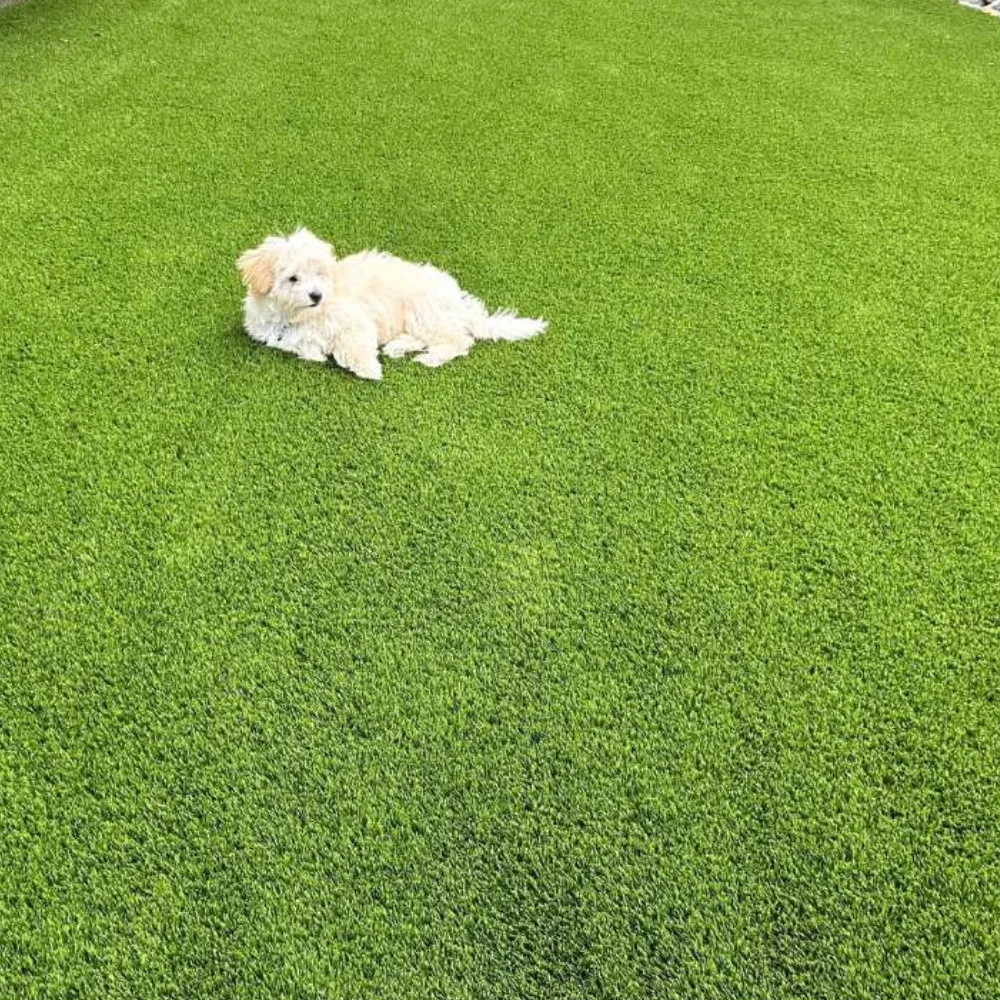
Ask for the model code, specification version, sample reference and backing description. Keep them together when comparing artificial grass for dogs from different suppliers. If a technical sheet lists several models, ask the seller to point to the row that covers your quote.
A sample can help you examine the pile and see how the underside is made. A written report answers a different question. Ask which construction was tested, which method was used and whether the result refers to the turf alone or a set of layers.
Record the date and version of any evidence you receive. Where a report and sample have different model names, ask the supplier to explain the link in writing. Keep the comparison open until the difference is clear.
Read permeability figures in context
The August 2025 SYNLawn PTPRT specification lists a nominal pile height of 1.5 inches and water permeability above 1,000 inches per hour under its cited EN 12616 method. These entries identify fields for a specific model and test. For your own comparison of artificial grass for dogs, request the method, specimen and result together and ask separately who has assessed the installed drainage route.
Illustrative scenario: A contractor sees water pass through a sample during a sales visit. The drawing for the proposed dog run shows the backing and base but leaves the outlet blank. The contractor keeps site drainage open on the review sheet until the team identifies the destination.
When you browse landscape models, note which questions the product page answers and which need a document request. Ask about the proposed use without assuming that every landscape model comes with dog area care instructions. X-Nature landscape grass range.
Plan waste pickup and compatible cleaning
Write down who cleans what
For artificial grass for dogs, plan solid waste pickup separately from any washing or spot treatment. Decide who checks the area, where the equipment is kept and how the operator will handle a spill or repeated use in one spot. Check the instructions for the model and the rules that apply to the site.
Ask for written guidance covering the turf, backing and joints. If you plan to use a cleaner, compare its label with the turf maker’s instructions and any guidance for the installed components. Where compatibility remains unclear, send the exact product name and proposed use to the supplier.
Build the care plan around the area you have. Consider access, the water supply, the collection route and how the operator will manage the equipment after each task. The landscape maintenance guide gives a framework for keeping product instructions and inspection records together.
Make a short list of what the operator needs for each task. Include the pickup tools, access to water if the care guide calls for rinsing, and a place to store supplies. Walk through the list with the operator before fitting artificial grass for dogs. That gives them a chance to raise issues while there is time to change the plan.
Track repeated odor, standing water and loose edges
If an issue returns, note the location, timing, recent use and what the operator did. A simple sketch helps distinguish a concern in one corner from a change across the whole area. Keep photos where they help explain what you saw.
When an area of artificial grass for dogs develops persistent odor, provide the supplier or installer with the care history, product code and any changes at the site. Ask which checks are needed and who should make them. Use the record to describe the issue and avoid drawing health conclusions from smell.
Review sun, hot surfaces and signs of damage
Plan around the times dogs use the area
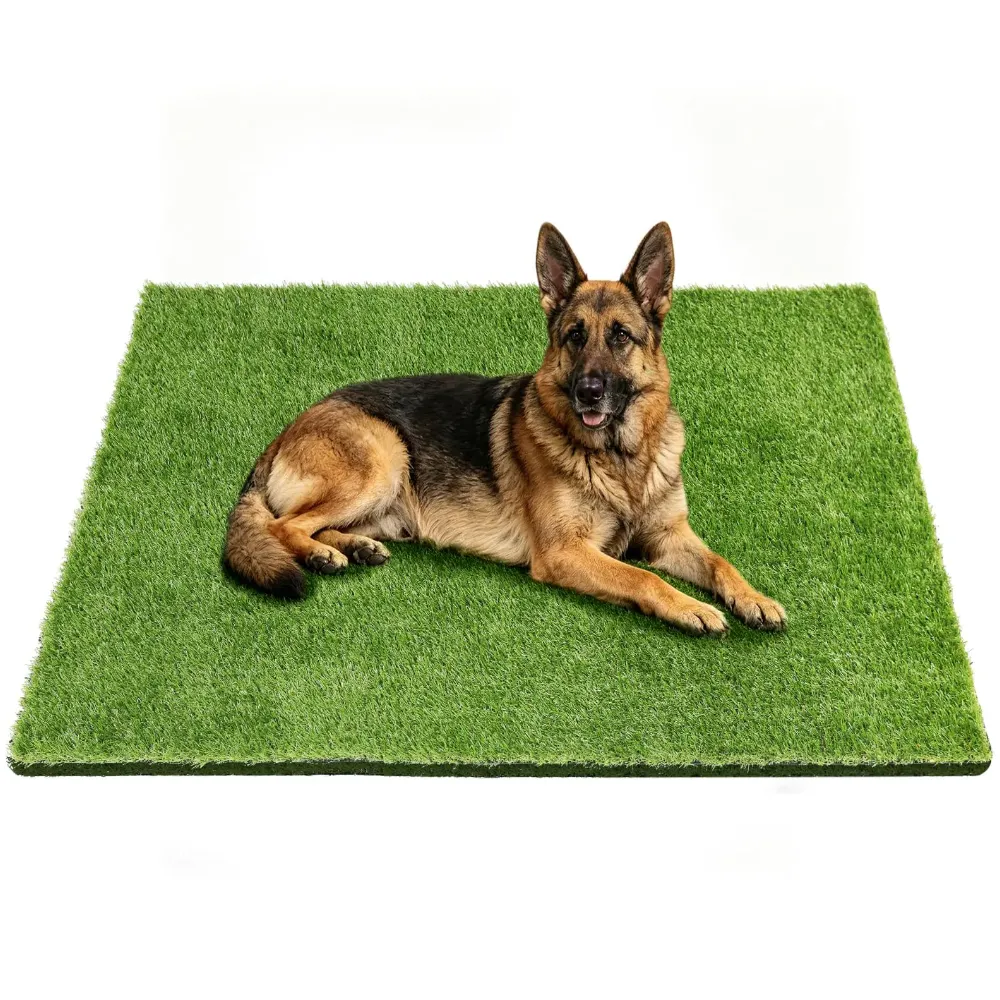
Look at where sun and shade fall when dogs normally go outside. Include paths to and from the grass, the gate and any nearby hard surfaces. Plan another place for activity or toileting if a surface becomes hot.
The American Veterinary Medical Association advises avoiding hot surfaces that can burn paws. When planning artificial grass for dogs, use that general advice to think through shade, access and an alternative area in warm weather. Product cooling claims need evidence tied to the model and the conditions measured.
Record who makes the day to day decision about access. A plan for artificial grass for dogs should tell anyone caring for the dog where the alternate area is and how to reach it. This matters when the regular owner or caretaker is away.
Include edges and repairs in the care file
Ask who will check seams and edges and what to do if part of the surface lifts. Keep the installation instructions and model reference with that contact. Photograph the location and avoid guessing whether the issue started at a seam, in the backing or below the turf.
If the dog has a habit of pulling at edges, mention it before choosing artificial grass for dogs. Ask the installer to review the proposed edges and entry points and explain how the operator can inspect them. Keep any follow-up decision with the site plan.
Ask for a site and product handover pack
Give each open question an owner
Use this table when requesting artificial grass for dogs or reviewing an installation proposal. Fill it out with the people who will make the purchase, fit the turf and use the space. Ask each person to point to the document or drawing that supports their answer.
| Item | Record to keep | Who confirms it? |
|---|---|---|
| Use and access | Play and toilet areas, gates and cleaning access | To assign |
| Rinse water | Route, destination and inspection points | To assign |
| Care | Approved methods and compatible products | To assign |
| Hot weather | Shade and alternate access plan | To assign |
| Model | Quote, sample, test scope and current instructions | To assign |
| Follow-up | Contacts for product, installation and site concerns | To assign |
Illustrative scenario: Several households share a dog run. The product documents are in the project file, but nobody has agreed who will check the surface after heavy use. The manager assigns the checks, gives the caretaker the care instructions and records the contact for installation questions.
At handover, have the person who will care for the area walk through it with the installer. Use the plan to point out the route for rinse water and the places that need a closer look. Ask them to show where the instructions and contacts are kept.
If the plan calls for a task that is still unclear, write down the question and name the person who will answer it. Keep that item open in the table until the team has agreed what to do. The completed file can then serve as a record of the layout, the turf supplied and the care steps in use.
Ask for the documents before placing the order
When requesting artificial grass for dogs, give the supplier the intended use, model shortlist, approximate area and type of surface. Ask what model documents can be supplied and note anything still pending. Keep the seller’s written answer with the quote.
Share the same project outline with the installer and the person responsible for upkeep. This helps them comment on the same proposed arrangement. Ask X-Nature about documents for your shortlisted landscape models.
Frequently asked questions
Can I put artificial grass for dogs over concrete?
Ask the installer to review the existing surface, proposed layers and water destination. Confirm whether the edge and fixing details allow water to follow that route and whether the operator can reach the points they need to clean. For a removable tray, check how it is emptied and washed.
How do I clean dog urine from artificial grass?
Check the care instructions for the installed model and any other parts of the system. Follow the applicable instructions and product labels, and confirm where any rinse water will go. When choosing artificial grass for dogs, get those instructions early enough to see whether the routine fits your site.
What if the same area keeps smelling?
Log the spot, timing and recent cleaning so you can show what has already been tried. Ask the responsible supplier or installer whether the surface, its care routine or the drainage route needs a closer check. Keep the original observations alongside any diagnosis that follows.
Does artificial grass for dogs get hot in summer?
Review the surface and its surroundings when dogs normally use the area. Follow general guidance to avoid hot surfaces and plan an alternate place for play or toileting. Ask for the measurement conditions behind any model claim about lower surface temperatures.
Do I need a mat under the turf?
Ask what role any mat plays in the proposed setup and where the water would go from it. The answer depends on the surface below, the way the turf is fixed and how you intend to clean the space. Have the installer show those details on the plan.
What should I ask a supplier before buying?
For artificial grass for dogs, request the model code, sample reference, construction sheet and applicable care instructions. Ask what any test covers and which parts of installation or maintenance another party must confirm. Keep the responses with your site sketch and the quoted specification.
Choose artificial grass for dogs with a clear route for water, a care plan people can follow and an alternate space for hot conditions. Send your intended use, surface and model questions with the inquiry. Contact X-Nature for landscape product information and a quote.