Introduction
Choosing the right football turf is one of the most important decisions in any pitch construction or renovation project. Among the many options on the market, 50mm artificial turf for football has become a standard choice for professional venues, training grounds, and multi-sport facilities. However, not all 50mm turf products are the same, and a wrong decision can lead to poor playing quality, higher long-term costs, and even safety risks for athletes.
This guide explains what buyers should look for when selecting 50mm football turf. It covers the technical factors that determine performance, durability, and cost-effectiveness, so you can make a confident, informed purchase. The focus is on general knowledge and evaluation criteria — the kind of understanding every responsible buyer should have before contacting suppliers.
Why 50mm Is a Popular Pile Height for Football
Pile height directly affects how the ball rolls, how players move, and how the surface feels underfoot. A pile height of 50mm offers a balance that works well across several sports. It is tall enough to provide cushioning and realistic ball behavior, yet short enough to remain stable and easy to maintain.
For football field artificial grass, the 50mm specification is widely used because it supports comfortable running, controlled ball speed, and reliable footing during fast changes of direction. The same height also performs well for rugby and hockey, where a slightly softer surface helps reduce impact on players’ joints. Buyers should therefore confirm that 50mm matches the intended use of their venue before finalizing a purchase.
Key Factors to Evaluate
1. Material and Fiber Quality
The raw material of the yarn determines how the turf feels, how long it lasts, and how it reacts to weather. High-quality turf is typically made from polyethylene (PE), which offers a good combination of softness, resilience, and resistance to wear. Cheaper materials may feel stiff, flatten quickly, or fade after exposure to sunlight.
When comparing products, ask suppliers about the material grade and the denier of the fibers. These details indicate the strength and thickness of each yarn, which in turn affects both comfort and durability. A sports artificial turf built with quality fibers will maintain its appearance and performance far longer than a low-cost alternative.
2. Density and Stitch Rate
Density — often measured in stitches per square meter — is one of the most reliable indicators of turf quality. A higher stitch count generally means more fibers per unit area, which improves resilience, appearance, and resistance to flattening under heavy use.
For a 50mm football surface, a density in the range of around 10,000 stitches per square meter or higher is considered solid. This level of density helps the turf recover after play, keeps the surface looking full, and contributes to consistent ball behavior. Buyers should treat density as a core technical specification rather than a minor detail.
3. Gauge and Construction
Gauge refers to the distance between stitch rows and works together with density to define the overall feel of the surface. Common gauges for football turf include 5/8 inch. A properly matched gauge and stitch rate produce an even, stable playing surface without gaps or weak spots.
The backing is equally important. A quality product uses a durable coating that holds the fibers securely and resists tearing. Some products also include a reinforced mesh layer for added strength. A strong backing prevents the turf from coming apart at the seams and extends the overall service life.
4. UV Resistance and Color Fastness
Outdoor pitches are exposed to direct sunlight for years. Without proper protection, turf can fade, become brittle, or lose its original color. UV-resistant fibers and good color fastness ensure the surface keeps its appearance and does not degrade prematurely under the sun.
This matters not only for aesthetics but also for performance. Faded, brittle fibers are more likely to break, which shortens the life of the field and increases replacement costs. Buyers should specifically check whether the product is designed to resist ultraviolet damage.
5. Safety and Sports Performance
Player safety is a top priority for any sports venue. Good turf provides cushioning that reduces the impact on muscles and joints, which helps lower the risk of sports injuries. At the same time, the surface must not interfere with the natural movement of the ball. During a football match, the direction and speed of the ball should remain predictable and unaffected by the turf.
Flame retardancy is another safety factor worth confirming, especially for indoor facilities or venues with strict fire regulations. A flame-retardant surface adds an extra layer of protection and may be required by local standards.
6. Drainage and All-Weather Use
A well-designed turf allows water to pass through automatically, so the field dries quickly after rain and can be used in almost any weather. This automatic water permeation is a key advantage over natural grass, which can become muddy, waterlogged, or unplayable after heavy rain.
All-weather usability also connects to maintenance. Compared with natural grass — which struggles to survive in extreme climates and demands constant mowing, watering, and fertilizing — artificial turf requires only simple, low-cost maintenance. This makes it a practical long-term choice for facilities that need to stay open year-round.
7. Maintenance and Long-Term Cost
One of the strongest arguments for artificial turf is its low maintenance requirement. It resists fading and deformation, so it does not need to be re-sown or re-sodded. Routine care typically involves occasional brushing and debris removal, which is far less costly and time-consuming than caring for a natural pitch.
Buyers should consider total cost of ownership rather than only the initial price. A durable, wear-resistant surface with good aging resistance will last for many years, making the investment more economical over time even if the upfront cost is higher.
8. Installation Flexibility
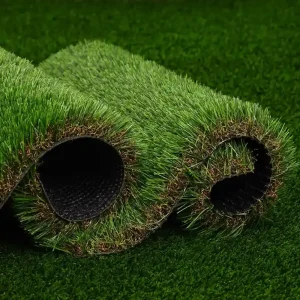
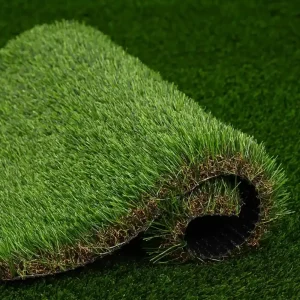
Finally, consider how the turf will be delivered and installed. Turf is commonly supplied in rolls, which makes transportation and handling easier. The ability to cut the turf freely allows installers to fit it around irregular shapes, corners, and fixed obstacles, reducing waste and simplifying the paving process.
A clear understanding of the installation requirements — such as the need for a hard, level foundation — helps buyers plan their project correctly from the start and avoid unexpected costs during construction.
How These Factors Come Together in a Product
Once you understand the evaluation criteria above, it becomes easier to assess a specific product. A well-engineered 50mm football turf brings these factors together in a single, coherent design.
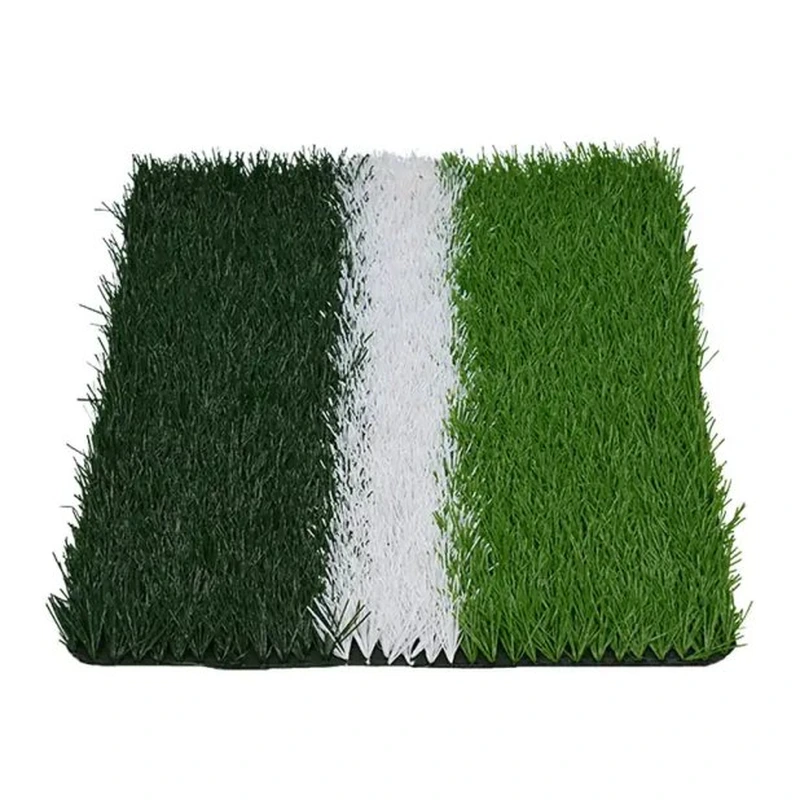
For example, the X-Nature DJK50 model illustrates how a 50mm specification can be executed properly. It uses PE material with a pile height of 50mm and a 5/8 inch gauge, combined with a density of 10,500 stitches per square meter. The turf is available in a dark green and light green color combination, weighs 1.7 kg per square meter, and is backed with XPU coating over a black-green anti-aging base reinforced with tear-resistant mesh.
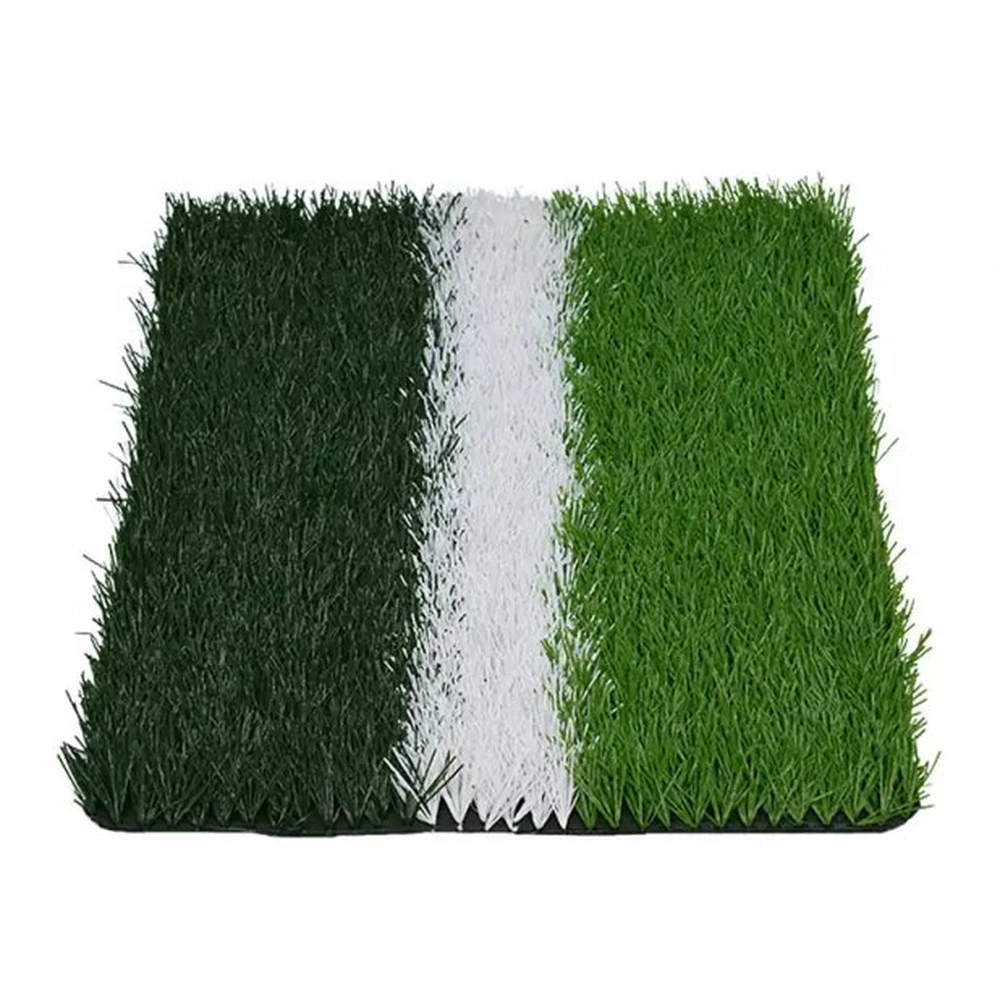
The product is supplied in rolls of 4 meters wide with customizable length, packaged by roll in PP bags. Its design addresses the key concerns discussed throughout this guide: UV resistance and heat insulation, flame retardancy, automatic water permeation, aging resistance, and strong wear resistance. It is freely cuttable for flexible installation and is suitable for a range of venues, including futsal courts, soccer training grounds, rugby fields, hockey fields, multi-sport courts, sports clubs and gyms, kindergarten and school play areas, and commercial activity venues.
For buyers, a product like this demonstrates how the technical specifications translate into practical, on-field benefits — a surface that is safe, durable, low-maintenance, and suitable for all-weather use.
Conclusion
Choosing 50mm football turf is not simply a matter of price. Buyers who understand the key factors — material, density, gauge, UV resistance, safety, drainage, maintenance, and installation — are far more likely to select a surface that performs well and lasts for years.
Artificial turf for football offers clear advantages over natural grass: it requires simple, low-cost maintenance, resists fading and deformation, withstands both high and low temperatures, and provides excellent sports protection while reducing the risk of injury. For football field artificial grass, a high density artificial turf with proper UV and flame-retardant properties represents a reliable, long-lasting investment.
Before making a decision, confirm the specifications against the actual needs of your venue, ask suppliers for detailed technical data, and evaluate total cost of ownership over the surface’s expected life. A well-chosen 50mm football turf will serve players, coaches, and facility managers well for many seasons to come. If you’re looking for reliable 50mm football turf for your next project, contact the X-Nature team to learn more about DJK50, discuss your field requirements, and get an artificial turf solution tailored to your project.
Frequently Asked Questions
1. Is 50mm artificial turf suitable for football fields?
Yes. 50mm artificial turf is suitable for football fields, soccer training grounds, and other sports facilities. Buyers should consider the field’s intended use and playing requirements when selecting a product.
2. What density should buyers look for in 50mm football turf?
Buyers should compare the stitch rate, fiber material, and overall turf construction. For example, DJK50 has a density of 10,500 stitches per square meter and a 5/8-inch gauge.
3. Can 50mm football turf be used for other sports?
Yes. Depending on its construction and intended application, 50mm sports artificial turf can also be used for rugby fields, hockey fields, futsal courts, and multi-sport facilities. DJK50 is designed for these applications as well.