Introduction
Choosing the right putting surface is one of the first and most important decisions when planning a golf facility. The quality of the putting surface affects ball roll, shot consistency, and the overall playing experience. Today, more venue owners are turning to putting green turf as a high-performance alternative to traditional sod. But how do the two truly compare? This guide breaks down the key differences, helping you decide which surface best fits your project, usage demands, and long-term operating goals.
What Are the Main Differences Between Artificial Putting Green and Natural Grass?
Before diving into maintenance and costs, it helps to understand how these two surfaces differ in structure and playability.
Surface Consistency and Ball Roll Performance
Natural golf course grass, even when tended by a dedicated greenskeeping team, is a living surface. Grain direction, thatch buildup, minor soil settling, and foot traffic can all create subtle inconsistencies that change the way a ball rolls from morning to afternoon. A putt that breaks true on a freshly cut green may behave very differently by the end of a tournament day.
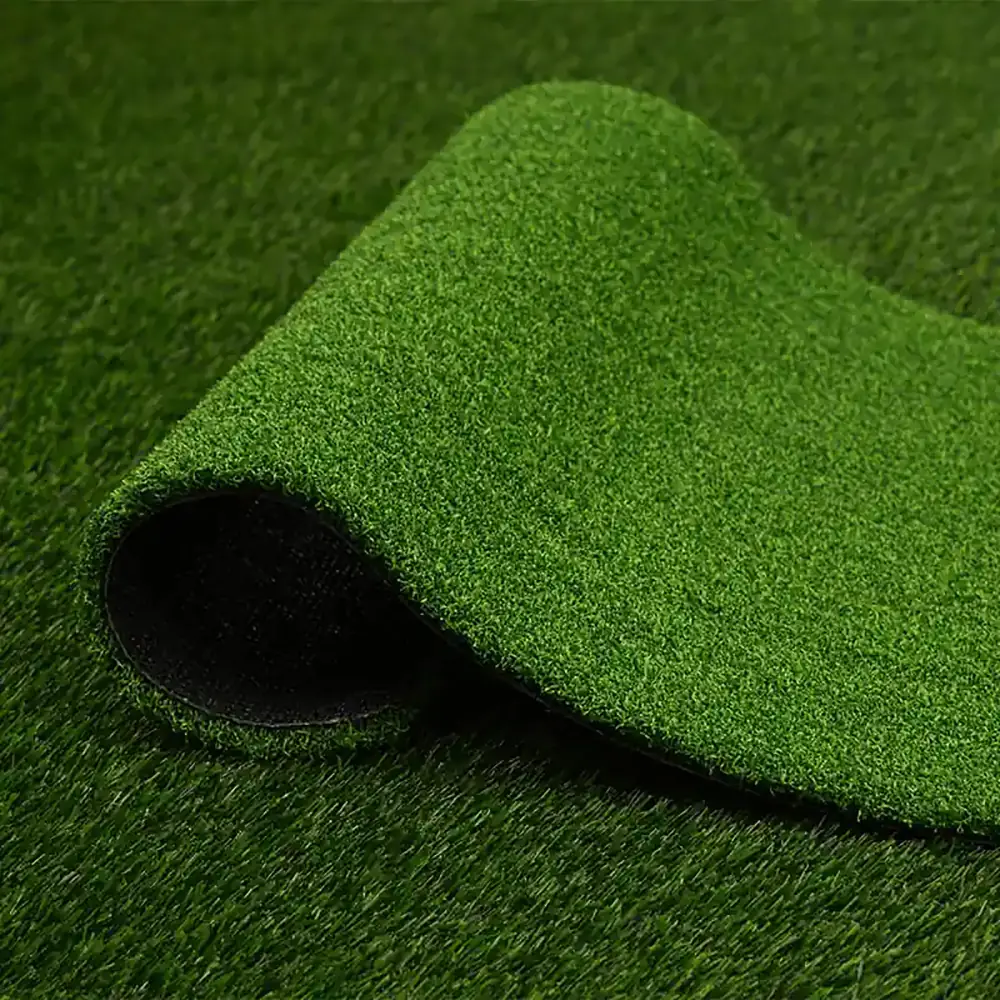
A 16mm Putting Green Turf eliminates this variability. The surface is manufactured from crimped grass filaments arranged in a non-directional pattern. There is no grain to read and no growth pattern to fight against. The ball speed and trajectory remain stable across the entire green, so golfers can focus on reading the line and refining their stroke. Because the fibers stand upright without a dominant lean, the turf guarantees steady footing and highly predictable roll.
Material Structure and Playing Experience
A natural green is a complex ecosystem of soil, sand, root systems, and delicate bentgrass or Bermuda grass leaves. It feels soft and organic but is reactive to moisture, temperature, and physical stress.
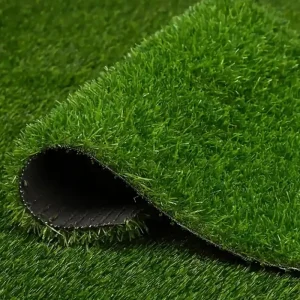
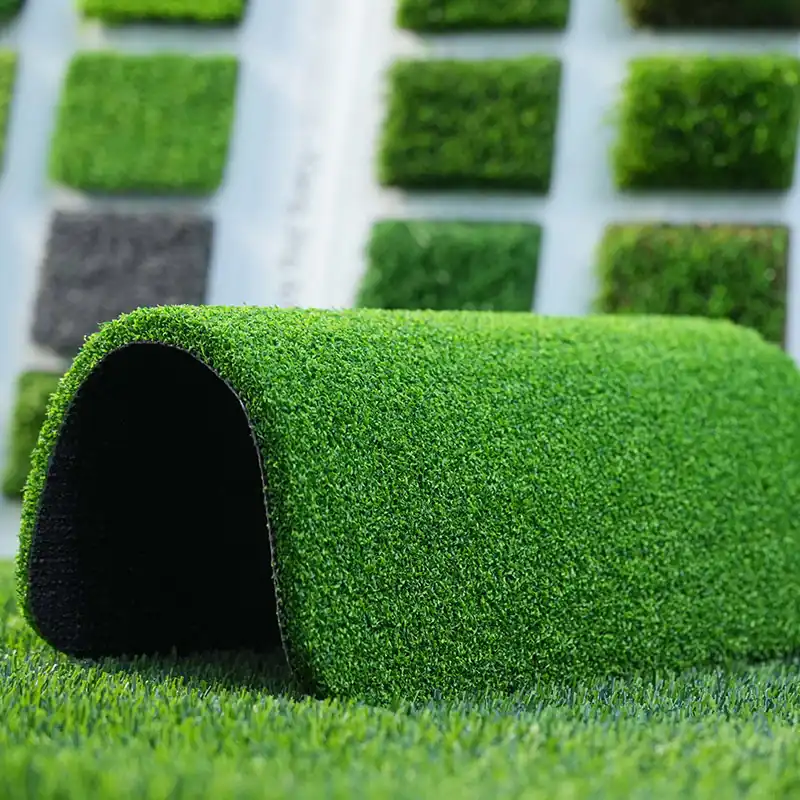
In contrast, a modern artificial green is an engineered system. The 16mm Putting Green Turf model features crimped PE/6000D yarn tufted into a three-layer fiberglass high-stabilization backing with a thick XPU coating. This structure gives the surface a dense, resilient feel underfoot while preventing stretching or buckling over time. The playing experience closely mimics a real, well-manicured green, with the added benefit that every square meter delivers identical response.
Maintenance Requirements: Artificial Turf vs Natural Grass
Maintenance is often the most dramatic point of difference between these two options, shaping both daily operations and long-term budget.
Daily Maintenance Needs of Natural Golf Greens
Keeping natural golf course grass in tournament-ready condition requires significant daily intervention. Greens need precise mowing, often multiple times per day during peak growing season, along with rolling, watering, fertilization, aeration, top dressing, and pest or disease management. Even a small putting area demands specialized equipment and trained personnel. Any lapse in this routine quickly shows up as uneven speed, bare patches, or fungal outbreaks.
Why Artificial Putting Green Requires Less Maintenance
A golf putting green turf system turns that maintenance model on its head. With a non-living surface, there is no mowing, no watering, no fertilizing, and no chemical treatments. The turf is built with efficient drainage so it drains rapidly after rain, and the fibers are infused with sufficient UV stabilizers to prevent degradation. Care is limited to occasional brushing to lift the filaments, removing organic debris, and keeping the seams checked. The simple maintenance routine, combined with low recurring costs, frees facility operators from the constant cycle of agronomic work.
Weather Resistance and Year-Round Performance
The ability to perform in all conditions separates a true all-weather facility from a seasonal one.
How Natural Grass Performs Under Different Weather Conditions
Natural golf course grass thrives within a specific window of climate conditions. Heavy rain can leave greens waterlogged and unplayable, while drought turns them hard, fast, and patchy. In colder regions, warm-season grasses go dormant and discolored for months, while excessive heat can scorch delicate cool-season varieties. Outdoor practice time shrinks dramatically whenever nature refuses to cooperate.
Advantages of Artificial Putting Green in All Weather Conditions
The 16mm Putting Green Turf is designed for all-weather usability, unaffected by seasons, sun exposure, or rain. Its permeable backing sheds water instantly, so the surface drains quickly enough to stay playable after rain. The UV-resistant and heat-resistant prevent the surface from overheating or fading, while the flame-retardant construction adds an extra layer of safety. Whether it is a humid summer morning or a crisp winter afternoon, the turf remains fully functional and visually consistent, maximizing the utilization rate of the venue throughout the year.
Durability and Service Life Comparison
Both natural grass and artificial turf wear over time, but they do so in different ways.
Wear Resistance of Artificial Golf Turf
High-quality artificial greens are built specifically for heavy use. The fibers contain a sufficient amount of UV stabilizers and are produced with advanced technology to withstand constant foot traffic, club impact, and ball friction. Under normal conditions, a well-made golf putting green turf can deliver consistent performance for 6–8 years. Areas around high-traffic cups may eventually show some flattening, but the overall surface remains intact far longer than a heavily used natural green would without significant restoration.
Challenges of Maintaining Natural Grass Under Heavy Use
On a popular natural practice green, concentrated traffic quickly takes a toll. Holes must be moved frequently to spread the wear, but thinning turf, compacted soil, and worn-down cup surrounds are inevitable. Repairing these areas requires overseeding, sanding, and prolonged rest periods that effectively take the facility out of service. The constant cycle of repair and recovery makes it difficult to keep a heavily used natural green consistently playable without substantial downtime.
Cost Considerations for Golf Facility Owners
The upfront cost of artificial turf typically runs higher than seeding a natural green—but that gap often closes, and reverses, once years of mowing, water, and fertilizer bills are factored in.
Initial Investment of Artificial Putting Green
A professional putting green turf installation involves site preparation, a hard base layer of cement, asphalt, or concrete, and precise installation of the turf panels with adhesives and joining tape. This initial investment is typically higher than simply seeding or sodding a natural area. However, that one-time cost includes a complete finished surface that requires no grow-in period and can be used immediately after compaction and brushing.
Long-Term Operating Costs of Natural Grass
The long-term expenses of a natural putting green are dominated by labor, water, fuel for mowers, fertilizers, fungicides, sand for top dressing, and equipment maintenance. Year after year, these costs add up and often surpass the initial artificial turf investment. When you factor in the lost revenue from closures for maintenance and recovery, the operating budget for natural greens stretches far beyond the visible green surface.
Which Applications Are More Suitable for Artificial Putting Green Turf?
Certain environments naturally favor the artificial solution because of access, usage patterns, or physical constraints.
Golf Clubs and Training Academies
Busy teaching facilities need surfaces that can withstand countless repetitions from morning to night. The non-directional fiber orientation of a golf putting green turf ensures consistent ball roll feedback for every student, while the woven-in field lines keep the surface color looking sharp through years of heavy use. Turf can be manufactured to the same standard across multiple installations, fostering fair and comparable training conditions.
Hotels, Resorts, and Commercial Leisure Areas
Guest-facing leisure spaces cannot afford to look worn. The dense two-color composition and matte color masterbatch of 16mm turf deliver a lush, glare-free appearance that holds up against heavy casual use. Even around pool areas or rooftop terraces, the thick backing adhesive and anti-aging base fabric maintain stability and safety.
Indoor Golf Simulators and Rooftop Putting Greens
Indoor and rooftop installations present challenges that natural turf simply cannot meet—weight restrictions, lack of sunlight, and drainage concerns. A lightweight yet stable artificial surface with efficient drainage solves these problems effortlessly. The safe, non-toxic, and antibacterial properties are especially valuable in enclosed simulator bays.
Residential and Community Golf Facilities
For a backyard or luxury community amenity area, convenience is paramount. Homeowners want a surface ready for an impromptu outdoor golf practice session without dragging out a mower. The 16mm turf offers a realistic putting experience right outside the door, paired with simple maintenance and excellent durability that keeps the space attractive year after year.
Why Choose 16mm Putting Green Turf for Golf Applications?
The 7016 model is designed to balance playability and durability, making it suitable for a wide range of golf applications. Its key features include:
- 16 mm pile height for a natural putting feel and consistent ball roll.
- Crimped, non-directional polyethylene fibers that help maintain steady ball speed and direction from any angle.
- 84,000 stitches per square meter with a 5/32-inch gauge, creating a dense surface that reduces unwanted bouncing and skidding.
- Woven-in field lines and a matte color masterbatch for long-lasting appearance and reduced glare during play.
- Thick XPU backing with a three-layer fiberglass base that improves dimensional stability and long-term durability.
Together, these features provide a reliable putting surface that delivers consistent performance while standing up to the demands of modern golf facilities.
Frequently Asked Questions
Q1: Is artificial putting green turf suitable for professional golf training?
A: Yes. High-quality artificial putting green turf provides a consistent ball roll, making it suitable for everything from daily practice to professional coaching. Because the surface performs consistently across different installations, players can focus on improving stroke accuracy, distance control, and putting technique without worrying about changes in green conditions.
Q2: How long does artificial putting green turf last?
A: A premium 16 mm polyethylene putting green turf typically lasts 6–8 years under normal outdoor conditions. Its UV-resistant fibers and durable backing help the turf maintain its appearance and playing performance even after years of regular use. Actual service life depends on installation quality, climate, and maintenance.
Q3: Does artificial putting green turf require regular maintenance?
A: Yes, but maintenance is minimal compared with natural grass. Occasional brushing keeps the fibers standing upright, while removing leaves and debris helps maintain a smooth playing surface. Since artificial turf doesn’t need mowing, watering, or fertilizing, ongoing maintenance is simple and inexpensive.
Conclusion
For golf facilities, the choice between artificial putting green turf and natural golf course grass ultimately depends on operational goals, budget considerations, and the level of maintenance a facility can support. Natural grass remains the preferred option for many professional tournament venues where tradition, turf characteristics, and the challenge of maintaining living grass are part of the experience.
However, for practice facilities, resorts, commercial golf venues, and high-traffic environments, artificial putting green turf offers significant advantages in consistency, durability, and long-term maintenance efficiency. When sourcing an artificial surface, working with experienced golf turf suppliers is essential to ensure reliable UV protection, consistent fiber density, and the right pile height for your specific application.