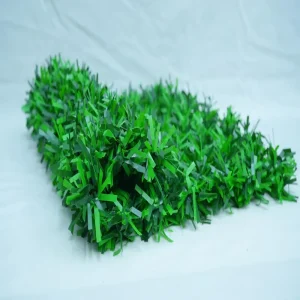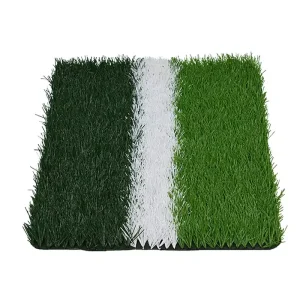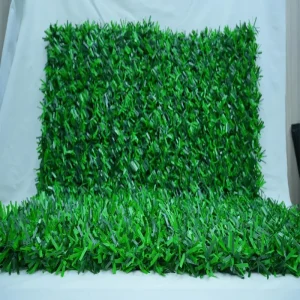
Choosing Putting Green Turf for a golf practice area or leisure space is not simply a matter of finding grass that looks good. The turf needs to suit the way the space will be used, the conditions of the site, and the level of maintenance the project can accommodate.
Pile height, density, drainage, UV resistance, installation conditions, and customization can all affect the suitability of artificial turf. A backyard putting area, golf training facility, hotel, or indoor golf venue may therefore require different specifications.
Understanding these factors first makes it easier to compare products and give a supplier clear project requirements.
What to Consider When Choosing Putting Green Turf
Pile Height and Turf Density
Pile height refers to the height of the artificial grass fibers. Shorter piles around 10–20mm are commonly used for putting greens and other low-profile applications, while 20–35mm is more typical for landscaping and recreational areas. Longer piles are generally chosen when a fuller, softer lawn appearance is preferred.
Turf density refers to the number of stitches per square meter. Around 40,000–60,000 stitches/㎡ is common for standard artificial turf, while 60,000 stitches/㎡ and above represents a relatively dense construction. Higher density can provide a fuller, more closely covered surface, but it does not automatically mean better performance. For putting greens, pile height and density should be considered together with the intended use.
Durability and UV Resistance
Outdoor golf putting green turf is exposed to sunlight, temperature changes, foot traffic, and regular use. Over time, these conditions can affect the appearance and service condition of artificial grass.
UV resistance is therefore particularly relevant for outdoor installations. For spaces that receive strong sunlight, it is worth checking whether the turf is designed for outdoor exposure and how its backing and fibers are constructed.
Wear resistance also matters in areas with frequent foot traffic. A golf club or training academy, for example, may place very different demands on the turf compared with a decorative backyard installation.
Drainage and All-Weather Performance
Rainwater needs a clear route away from the turf surface. Artificial grass with built-in drainage holes allows water to pass through the backing rather than remaining on the surface.
This does not mean the turf alone determines drainage performance. The condition and drainage capacity of the underlying foundation also affect how quickly water leaves the installation.
For outdoor projects, all-weather use can be another practical consideration. A turf system that can remain in place through changing weather conditions can reduce the need to remove or replace the surface seasonally.
Maintenance and Installation Requirements
One reason artificial turf is used for golf practice and leisure areas is its relatively simple routine maintenance. It does not require regular watering or mowing like natural grass.
However, artificial turf is not completely maintenance-free. The surface still needs to be kept clean, and the installation should be checked periodically for issues caused by use or the surrounding environment.
The foundation also deserves attention before installation. Artificial turf generally needs a firm, properly prepared base, such as concrete, asphalt, cement, or another rigid foundation. If the existing surface is unsuitable, it may need to be hardened or prepared before the turf is installed.
Choosing Golf Putting Green Turf for Different Applications
The same turf specification may not be suitable for every golf-related space. Looking at how the area will actually be used can make the selection more straightforward.
Outdoor Golf Practice Areas
Outdoor practice areas are exposed to sunlight, rain, temperature changes, and regular foot traffic. UV resistance, wear resistance, drainage, and a suitable foundation are therefore important when selecting turf. For golf clubs and training academies, the expected frequency of use should also be considered, as high-traffic areas may require a more durable turf construction.
Indoor and Outdoor Putting Green Turf
The requirements for Indoor outdoor putting green turf can vary depending on where the turf will be installed. Indoor spaces may place more emphasis on dimensions, layout, and how the turf fits around existing structures, while outdoor projects need to account for weather exposure and drainage.
For projects that combine indoor and outdoor areas, a versatile turf that can be freely cut and customized can make it easier to adapt the surface to different layouts, edges, corners, or fixed structures.
Backyard and Residential Putting Greens
A residential putting area usually has a different priority from a professional training facility. Appearance, simple maintenance, easy installation, and the ability to fit the available space can become more important.
For backyard projects, the turf should also match the size and layout of the area. Roll dimensions and cutting flexibility can affect how efficiently the material can be used.
Golf Clubs, Hotels, and Leisure Areas
Hotels, resorts, luxury communities, and corporate leisure spaces may use artificial turf as part of a broader recreational environment rather than as a dedicated training surface.
In these applications, appearance, color options, durability, maintenance requirements, and the ability to create a customized layout may all influence the final specification.
Customization Options for Putting Green Turf
Color and Pattern Customization
Traditional artificial grass is usually associated with green, but golf and leisure projects do not always need to follow a conventional appearance.
Multiple colors and customized patterns can be used where the turf forms part of a themed recreational area, branded space, or decorative golf installation. The key is to confirm the available color and pattern options before finalizing the project design.
Custom Artificial Grass for Different Projects
Custom artificial grass can be useful when a standard roll does not match the dimensions or visual requirements of the project.
Customization may involve color, pattern, size, or other agreed specifications, depending on the manufacturer’s capabilities. For B2B projects, it is helpful to provide the supplier with the installation area, intended use, preferred appearance, and estimated quantity at the inquiry stage.
This gives the manufacturer enough information to determine whether a standard product or customized solution is more appropriate.
Why 16mm Putting Green Turf Can Be a Practical Option
For projects looking for a balance between a compact turf profile and flexible use, a 16mm product can be one option to consider.
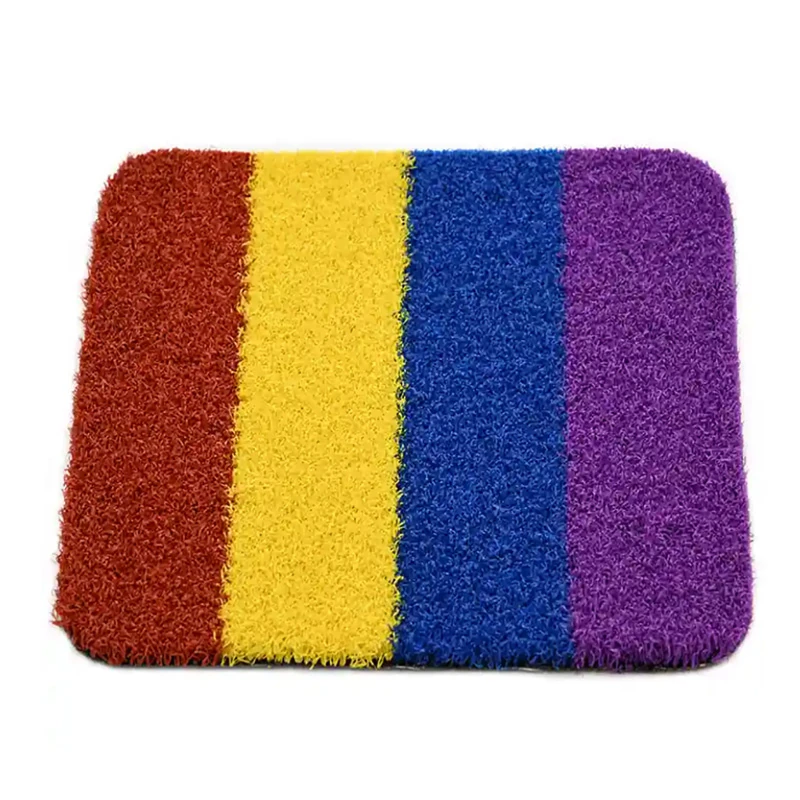
X-Nature’s Rainbow Putting Green Turf GOLF7016G has a 16mm pile height, 5/32-inch gauge, and 70,560 stitches per square meter. The 16mm pile falls within the shorter range commonly used for putting areas, giving the turf a low-profile appearance that is more suitable for golf practice than longer landscaping turf. Its density of 70,560 stitches/㎡ is also relatively high, providing closely tufted coverage across the surface.
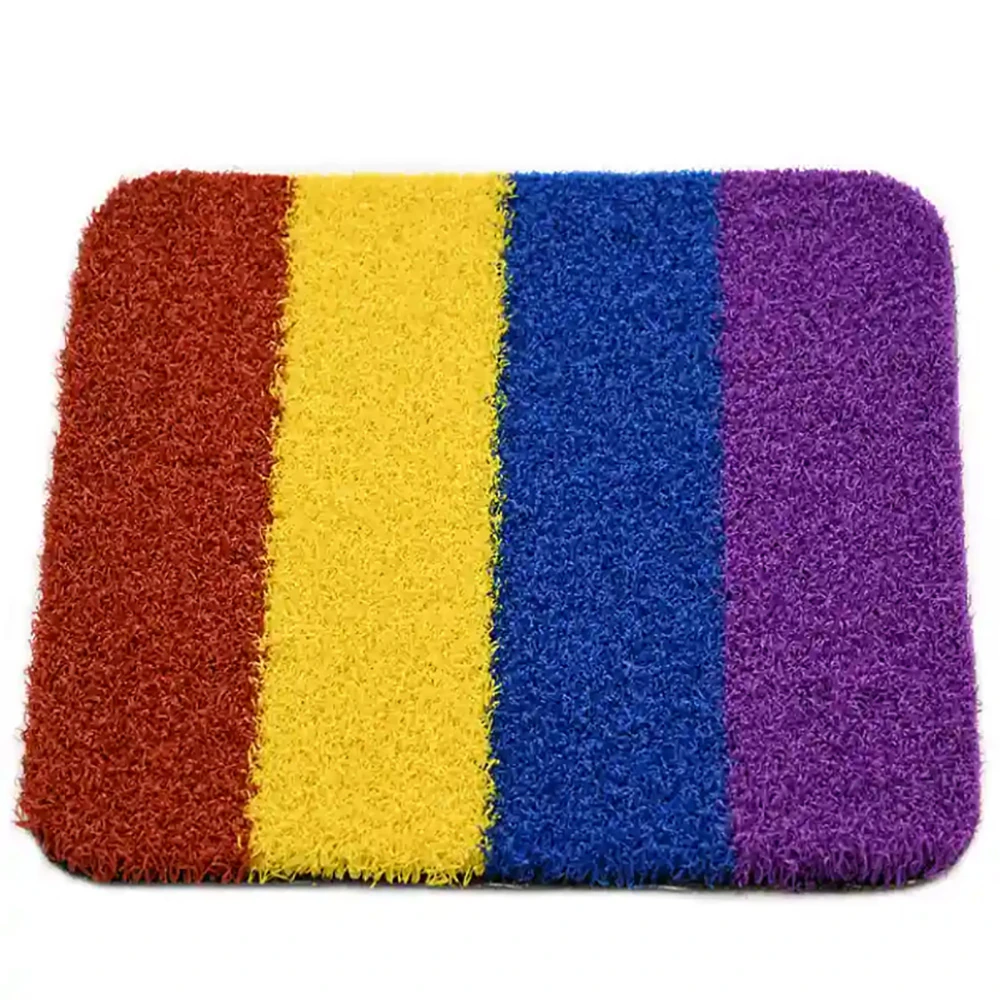
The combination of a short pile and relatively high density gives GOLF7016G a compact turf structure that fits putting greens, golf practice areas, and other recreational applications.
The turf uses FPA/6500 material and a three-layer fiberglass high-stabilization anti-aging black-green base fabric. For outdoor applications, the product is specified as UV-resistant and heat-insulating, with built-in drainage holes for water passage through the backing.
Another distinctive feature is its four-color design: red, yellow, blue, and purple. X-Nature also supports customization and pattern customization, making the product suitable for projects where the turf needs to contribute to the overall visual design rather than simply imitate a natural lawn.
GOLF7016G is supplied in 4m × 25m rolls and weighs 2.56kg/㎡. It is designed for all-weather use, is flame-retardant, can be freely cut, and does not require watering or mowing.
The applications include:
- Residential backyard putting greens
- Golf clubs and training academy practice areas
- Hotel and resort leisure zones
- Corporate office rooftops and terraces
- Indoor golf simulator supporting venues
- Luxury community amenity areas
- Mini golf courses
Why X-Nature Is a Reliable Putting Green Turf Manufacturer
At X-Nature, we combine more than 10 years of experience in artificial grass manufacturing with in-house production and project support. Our Tianjin production base is equipped with grass yarn, tufting, and backing and glue spreading production lines, supported by teams for product design, technical development, installation, and after-sales service. This allows us to develop both standard artificial turf and customized solutions, including different colors, patterns, and specifications for specific projects.
Our production base has passed environmental assessment and obtained quality, environmental, and occupational health system certifications from domestic third-party organizations. Our products have also passed physical and chemical tests under the industry’s new national standard, as well as relevant tests conducted by a FIFA laboratory. From backyard putting greens and golf training areas to hotels, resorts, and other leisure spaces, we work with customers to select or customize artificial turf according to the requirements of each project.
Conclusion
Choosing the right Putting Green Turf depends on where it will be used, how often it will be used, and what the project requires in terms of appearance, durability, maintenance, and customization. For golf practice areas, backyards, hotels, resorts, and other leisure spaces, the right turf specification can make the finished area easier to maintain and better suited to its intended use.
X-Nature’s GOLF7016G offers a 16mm pile, relatively high turf density, four color options, and pattern customization for projects that need a distinctive putting or leisure area. Contact X-Nature to discuss your project requirements and find a suitable Putting Green Turf solution.