1. In terms of usage scenarios and performance
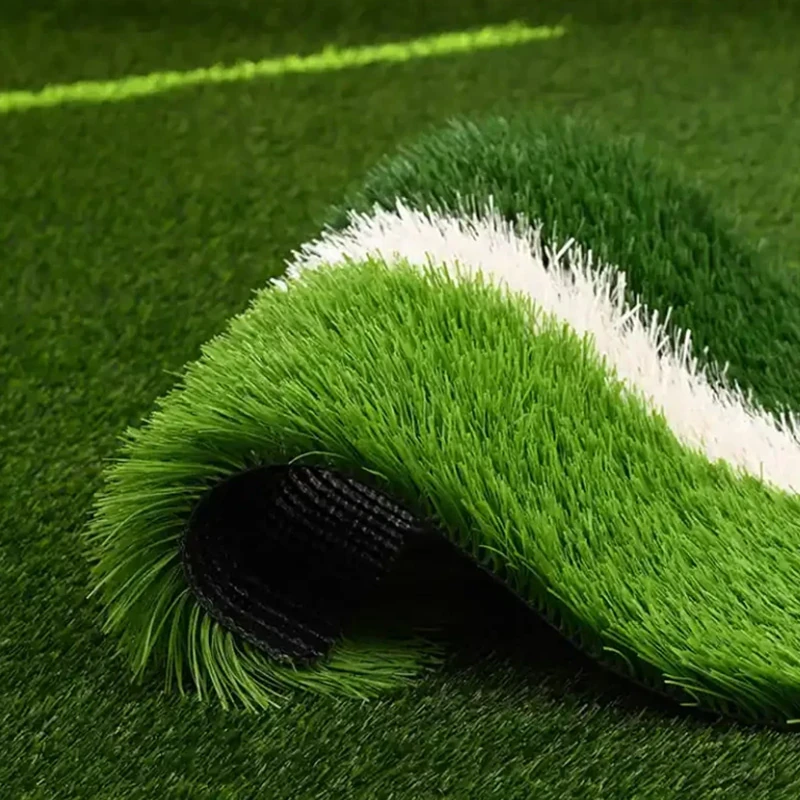
If a soccer field needs to be available all year round, with stable performance and the ability to withstand high-frequency, high-intensity use, then choosing Soccer Turf is a better option. Soccer Turf features uniform grass filaments of consistent length, provides excellent sports protection functions that effectively reduce sports injuries, and has no impact on the direction or speed of the football. It will not develop bald spots or potholes due to frequent use. It also offers fire resistance, aging resistance, UV resistance, and other properties; it is unaffected by weather or seasons, and can be used around the clock. Natural grass, on the other hand, has extremely high maintenance requirements. Seasonal changes, high temperatures, heavy rain, and frequent trampling will cause rapid wear and tear, making it only suitable for low-frequency use venues.
2. In terms of long-term cost and cost-effectiveness
Natural grass has a low initial cost, but the subsequent maintenance costs are very high: watering, fertilizing, mowing, re-sodding, pest control – all of which require annual upkeep. In contrast, soccer field synthetic turf only requires a one-time upfront investment, with almost zero follow-up maintenance, and can last for many years after a single installation. Its long-term cost-effectiveness is far greater than that of natural grass.